
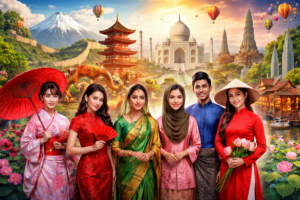
Introduction to Asia’s Most Popular Destinations
Asia has solidified its status as one of the most traveled continents in the world, attracting millions of tourists and business travelers each year. The diverse culture, rich history, and stunning natural beauty of Asian countries create an appeal that is difficult to resist. From the bustling streets of Tokyo to the serene landscapes of Bali, every destination offers unique experiences that cater to various interests and preferences.
Each country within Asia presents a blend of ancient traditions and modern innovations, often resulting in a fascinating juxtaposition that draws attention. Cultural heritage sites, culinary delights, and vibrant local festivities are just a few factors that enhance the travel experience in Asia. Furthermore, the accessibility of these destinations, paired with affordable travel options, makes it an inviting choice for tourists seeking adventures.
In addition to leisure travel, Asia serves as a hub for business and commerce, welcoming a diverse range of professionals from around the globe. Major cities such as Singapore, Hong Kong, and Shanghai are known for their robust economies and modern infrastructure, providing excellent platforms for business endeavors. Understanding the appeal of each country is paramount as it allows travelers to tailor their itineraries according to their interests – whether they seek thrill-seeking adventures, cultural immersion, or relaxation.
As we delve into the details of the most traveled countries in Asia, it is essential to recognize that each destination possesses its distinctive character and offerings. This comprehensive overview will shed light on these prominent countries that continue to charm travelers from all corners of the world.
Thailand, often referred to as the “Heart of Southeast Asia,” is undeniably one of the most traveled countries in the region, attracting millions of visitors each year. Its appeal is multifaceted, highlighted by renowned attractions that cater to diverse interests. In the bustling capital city, Bangkok, one can experience vibrant street life characterized by colorful markets, exquisite temples, and a stimulating nightlife that never seems to sleep. The city’s blend of modernity and tradition makes it a captivating destination for cultural exploration.
Moving beyond the capital, the tranquil beaches of Phuket stand out as some of Thailand’s most stunning natural wonders. Visitors flock to its sandy shores to relax, enjoy water sports, or immerse themselves in the local environment. Popular activities such as snorkeling, diving, and sailing can be found in the crystalline waters, offering an optimal balance of adventure and relaxation. Phuket’s nightlife, with an array of beach clubs and vibrant bars, adds another layer to its charm.
Chiang Mai, located in the mountainous northern region, showcases Thailand’s rich cultural heritage. This city is famous for its old town, littered with ancient temples and historical landmarks. Visitors often partake in cooking classes, explore local handicrafts at the night markets, or take part in the Yi Peng Lantern Festival, a mesmerizing event that brings the night sky to life with glowing lanterns. Moreover, Thailand is renowned not only for its breathtaking landscapes but also for its unparalleled hospitality and culinary offerings.
The welcoming nature of the Thai people complements the country’s diverse cuisine, which is celebrated globally for its flavorful dishes. From the iconic Pad Thai to the spicy tom yum goong soup, the culinary landscape is a journey of its own. In essence, Thailand presents a unique blend of relaxation and adventure that appeals to all kinds of travelers, solidifying its status as one of Asia’s top travel destinations.
Japan: A Blend of Tradition and Modernity
Japan stands as a remarkable destination that seamlessly intertwines its rich cultural heritage with the advancements of modern technology. The country’s ability to evoke a sense of history while embracing contemporary innovations makes it a compelling choice for travelers worldwide. For visitors, one of the significant highlights is Tokyo, known for its vibrant atmosphere that juxtaposes bustling streets, towering skyscrapers, and the latest gadgets with serene parks and historical sites.
The cultural heart of Japan can be found in cities like Kyoto, which is home to numerous ancient temples and traditional tea houses, serving as a sanctuary for those in search of tranquility and spiritual reflection. These sites depict the essence of Japan’s long-standing traditions that have been preserved over centuries, drawing in tourists eager to explore the historic architecture and participate in age-old customs.
Moreover, Japan’s natural beauty is epitomized by landmarks such as Mount Fuji. This iconic volcano, recognized as a UNESCO World Heritage site, attracts nature enthusiasts and photographers alike, offering breathtaking vistas that serve as a perfect backdrop for exploration. The changing seasons add a unique element to this picturesque scenery, especially during cherry blossom season, when the country transforms into a canvas of pink blooms.
Additionally, Japan is renowned for its impeccable service culture, which extends to both leisure and business travelers. The hospitality, known as “omotenashi,” emphasizes a selfless concern for the guest, ensuring each visitor feels valued throughout their stay. This commitment to service has made Japan a favored destination for business travelers and an ideal environment for conducting international conferences.
In essence, Japan exemplifies a unique blend of tradition and modernity, making it one of Asia’s most traveled countries. Its remarkable landscapes, age-old customs, and exceptional service entice millions of visitors each year, showcasing the nation’s enduring allure.
Exploring the Rich Tapestry of Japanese Culture: Food, Fashion, and Lifestyle
China: A Historical and Cultural Powerhouse
China, often referred to as the “Middle Kingdom,” boasts a rich tapestry of history and culture that spans over 5,000 years. From its ancient beginnings to its status as a global powerhouse today, the country’s landscape is dotted with landmarks that tell the story of its illustrious past. Among these, the Great Wall of China stands as a testament to the ingenuity and determination of ancient civilizations, while the Forbidden City in Beijing offers a glimpse into the opulent lives of Chinese emperors.
The Great Wall, stretching over 13,000 miles across northern China, was originally built for protection against invasions. This UNESCO World Heritage site draws millions of visitors each year, eager to walk along its storied paths and marvel at its impressive architecture. Similarly, the Forbidden City, once the imperial palace, showcases traditional Chinese palatial architecture and houses an extensive collection of artwork and artifacts, attracting those interested in the nation’s historical narratives.
Furthermore, China is not only rich in historical attractions but is also a rapidly growing modern economy. In recent years, major cities like Shanghai and Shenzhen have transformed into vibrant business hubs, offering numerous opportunities for entrepreneurs and business travelers. The combination of ancient heritage and modern innovation makes China an appealing destination for various types of visitors.
As more travelers explore China, they encounter a unique blend of tradition and advancement. The country’s commitment to infrastructure improvements and technological advancements further enhances its appeal as a travel destination. Visitors can experience the thrill of high-speed rail services that connect bustling cities, making it easier to explore the country’s vast and diverse landscapes.
India: A Tapestry of Cultures
India is a country that exemplifies a rich tapestry of cultures, traditions, and histories that attract millions of tourists each year. Renowned for its vibrant diversity, India showcases a multitude of languages, cuisines, and festivals, each adding to the depth of its cultural landscape. A significant highlight for any traveler is the iconic Taj Mahal, a UNESCO World Heritage Site and a symbol of love, which draws visitors from around the globe. The mausoleum’s stunning architecture and intricate carvings evoke admiration and inspire countless photographs.
Moreover, the city of Jaipur, known as the Pink City, boasts a collection of majestic palaces and forts, including the historic Hawa Mahal and Amber Fort. These sites not only provide a glimpse into Rajasthan’s royal history but also serve as prime locations for networking events and cultural exchanges, essential for business travelers who seek to explore potential opportunities.
The culinary experiences in India are equally enchanting, offering varied regional dishes that reflect the country’s multicultural heritage. From the spicy samosas of the North to the aromatic dosas of the South, Indian cuisine is a journey in itself. Food festivals and cooking classes have gained popularity, enabling visitors to immerse themselves in authentic flavors while fostering connections with local chefs and food enthusiasts.
In addition to its landmarks and culinary offerings, India is renowned for its many colorful festivals, such as Diwali and Holi, which not only celebrate its rich traditions but also create opportunities for cultural exchange. These events attract tourists and locals alike, offering a unique platform for business networking and collaboration. The amalgamation of spirituality, culture, and community enhances India’s appeal as a top destination for travelers exploring both leisure and business opportunities.
5. Malaysia: A Melting Pot of Cultures
Malaysia, located in Southeast Asia, is renowned for its blend of cultures, ethnicities, and traditions. The unique multicultural fabric of the nation significantly influences its arts, cuisine, and festivals, making it an inviting destination for travelers. Visitors to Malaysia experience a harmonious coexistence of Malay, Chinese, Indian, and indigenous cultures, which collectively contribute to the country’s vibrant identity.
One of the most iconic symbols of Malaysia is the Petronas Towers, situated in the capital city, Kuala Lumpur. These twin towers, once the tallest buildings in the world, offer breathtaking views from their observation deck and serve as a reminder of Malaysia’s rapid economic development. The impressive architecture of the Petronas Towers symbolizes the country’s modernity while reflecting its rich cultural heritage.
For those seeking natural beauty, the pristine beaches of Langkawi are a must-visit. Langkawi is recognized for its stunning landscapes, crystal-clear waters, and lush rainforests, providing a perfect escape for both relaxation and adventure. The island was designated a UNESCO Geopark, underscoring its remarkable geological heritage. Travelers can enjoy various water sports, indulge in luxury resorts, or explore the breathtaking natural scenery.
In addition to its cultural and natural attractions, Malaysia is emerging as a hub for business and tourism within Asia. The government has implemented policies to encourage foreign investment, leading to significant growth in various sectors, including travel, hospitality, and technology. As a result, Malaysia is becoming increasingly popular among international travelers, who are drawn not only to its attractions but also to its robust economic opportunities.



6. Vietnam: Emerging Gem of Southeast Asia
Vietnam has increasingly established itself as a premier travel destination, experiencing a significant surge in international tourism over recent years. Renowned for its breathtaking landscapes and rich cultural heritage, this Southeast Asian country has much to offer visitors from around the world. The vibrant cities, picturesque countryside, and exquisite cuisine are just a few of the key attractions drawing travelers to Vietnam.
One of the prime cities that showcase Vietnam’s charm is Ho Chi Minh City, formerly known as Saigon. This bustling metropolis is a blend of modern skyscrapers and historical landmarks. Visitors can explore the War Remnants Museum to gain insight into the country’s tumultuous past, or wander through the lively streets filled with street vendors selling local delicacies. The city’s nightlife is equally mesmerizing, offering a plethora of dining and entertainment options that cater to diverse tastes.
Another must-visit location is Ha Long Bay, a UNESCO World Heritage site famous for its stunning emerald waters and thousands of limestone islands topped with rainforests. A cruise through this natural wonder affords travelers the opportunity to explore hidden caves, secluded beaches, and floating fishing villages. The bay’s striking beauty has made it an iconic symbol of Vietnam, contributing to the country’s growing reputation as a travel hotspot.
Beyond leisure travel, Vietnam’s rapid economic development has transformed its landscape into a hub for business opportunities. With thriving industries and a young, energetic workforce, the nation now attracts expatriates and investors alike seeking to engage with its dynamic market. The combination of rich cultural experiences alongside lucrative business prospects has positioned Vietnam as an emerging gem in Southeast Asia, appealing to both leisure and business travelers.
Must-Visit Places in Singapore for 2026: Ultimate Travel Guide
Hidden Travel Destinations in South India for Peaceful Getaways
Banff Travel Guide: Best Time to Visit, Attractions, and Stay Options
