
Japanese Traditional Dress: Kimono and Cultural Clothing
Japanese traditional dress reflects centuries of history, craftsmanship, and cultural values. The most iconic of these garments is the kimono, along with several other forms of cultural clothing worn on special occasions.
Celebrate Culture: Japanese Traditional Clothing
Kimono – Japan’s Timeless Emblem of Elegance and Heritage
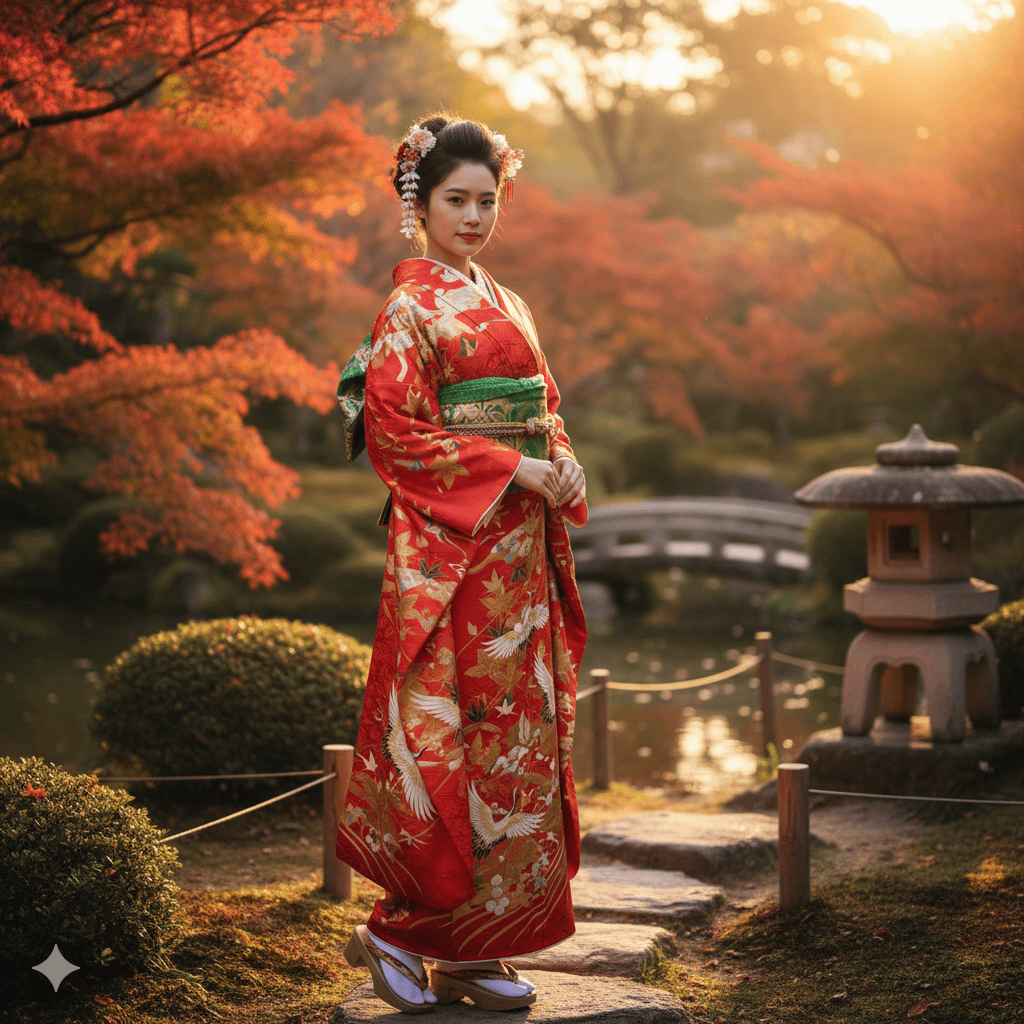
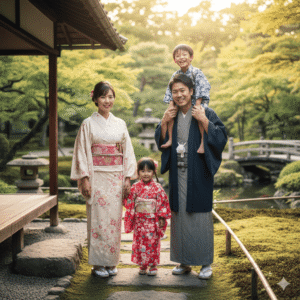
The kimono is a T-shaped robe with wide sleeves, wrapped around the body and secured with a decorative belt called an obi. Traditionally made from silk, cotton, or wool, kimonos feature beautiful patterns inspired by nature, seasons, and cultural symbols. Colors and designs vary by age, gender, and occasion. Today, kimonos are commonly worn during festivals, weddings, tea ceremonies, and other formal events.
Yukata – Casual Comfort Wrapped in Tradition
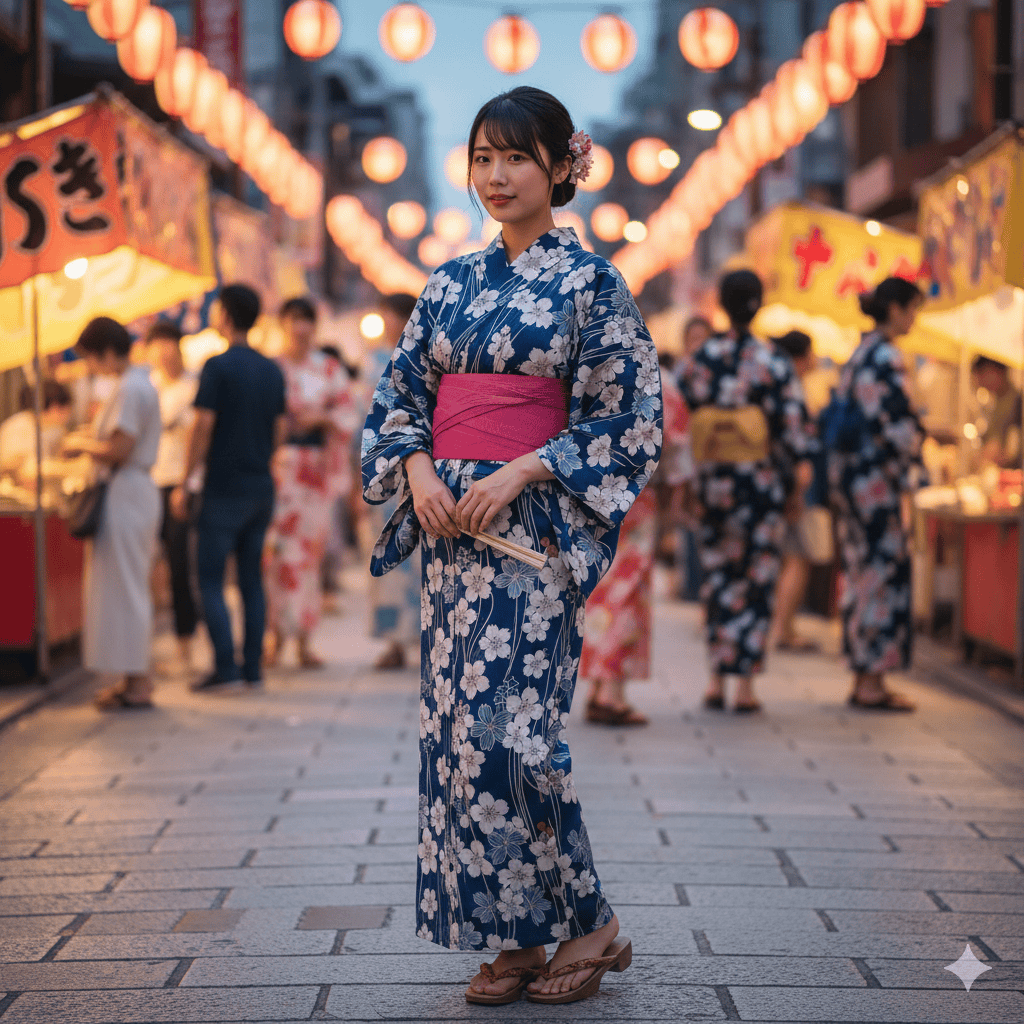
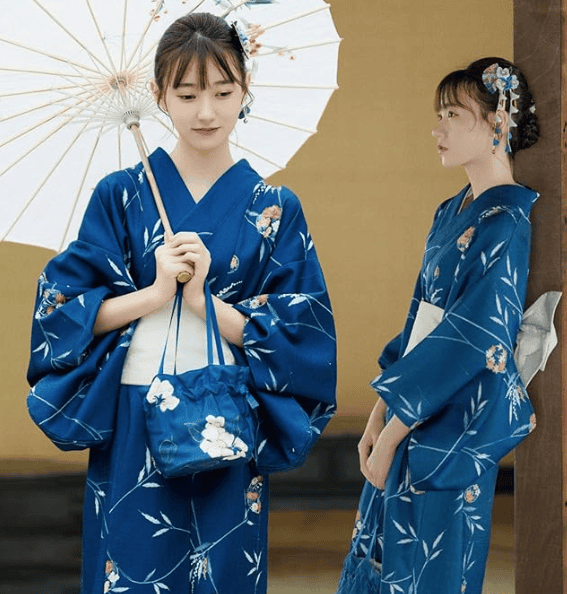
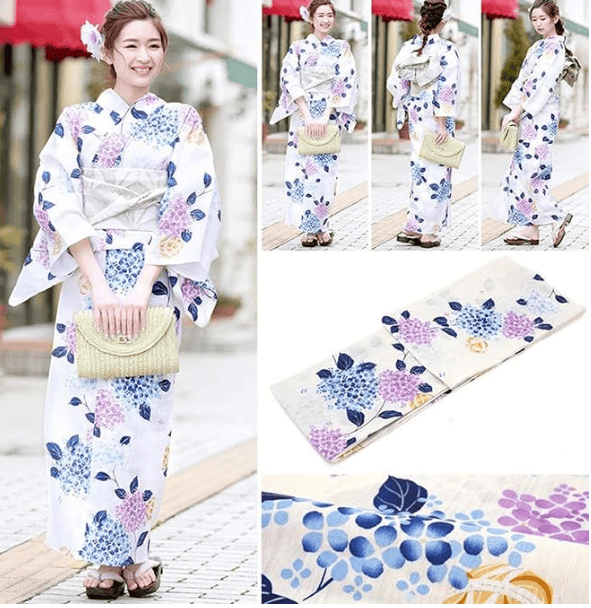
The yukata is a lightweight, casual version of the kimono, usually made from cotton. It is commonly worn in summer at festivals, fireworks events, and in traditional inns (ryokan). Yukata are simpler, more comfortable, and easier to wear than formal kimonos.
Hakama – Ceremonial Grace and Samurai Legacy
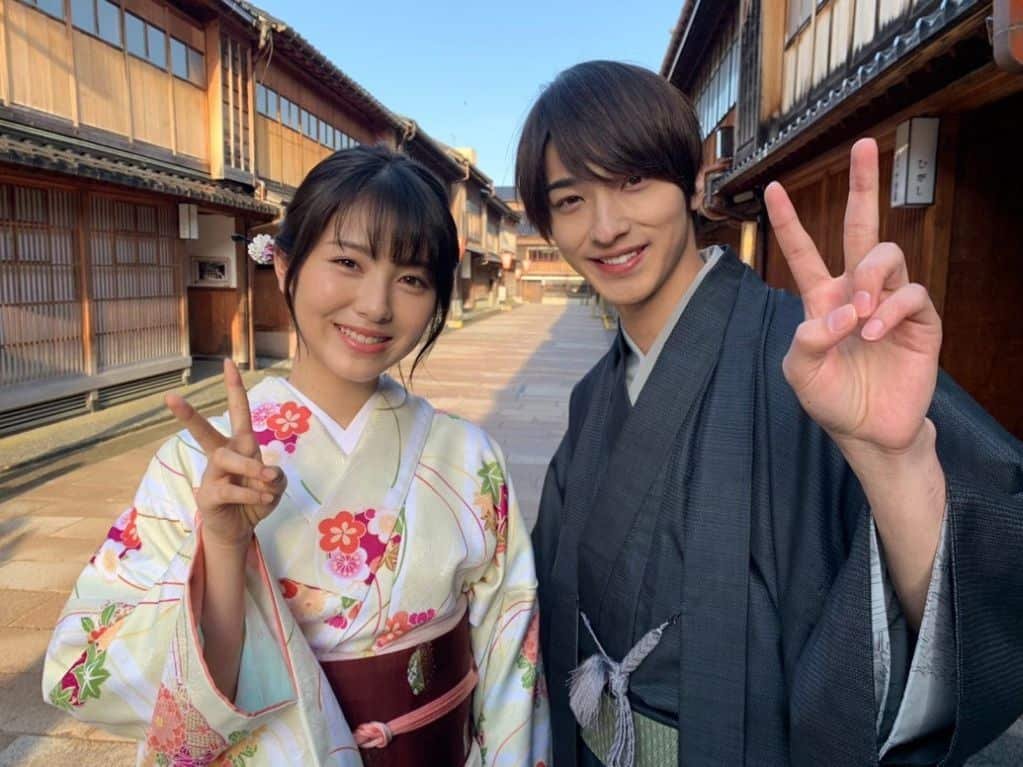
Hakama are wide, pleated trousers or skirt-like garments worn over a kimono. Historically worn by samurai, hakama are now seen at graduation ceremonies, martial arts practices, and Shinto rituals. They symbolize dignity and formality.
Haori – The Poetic Charm of Japan’s Outer Jackets
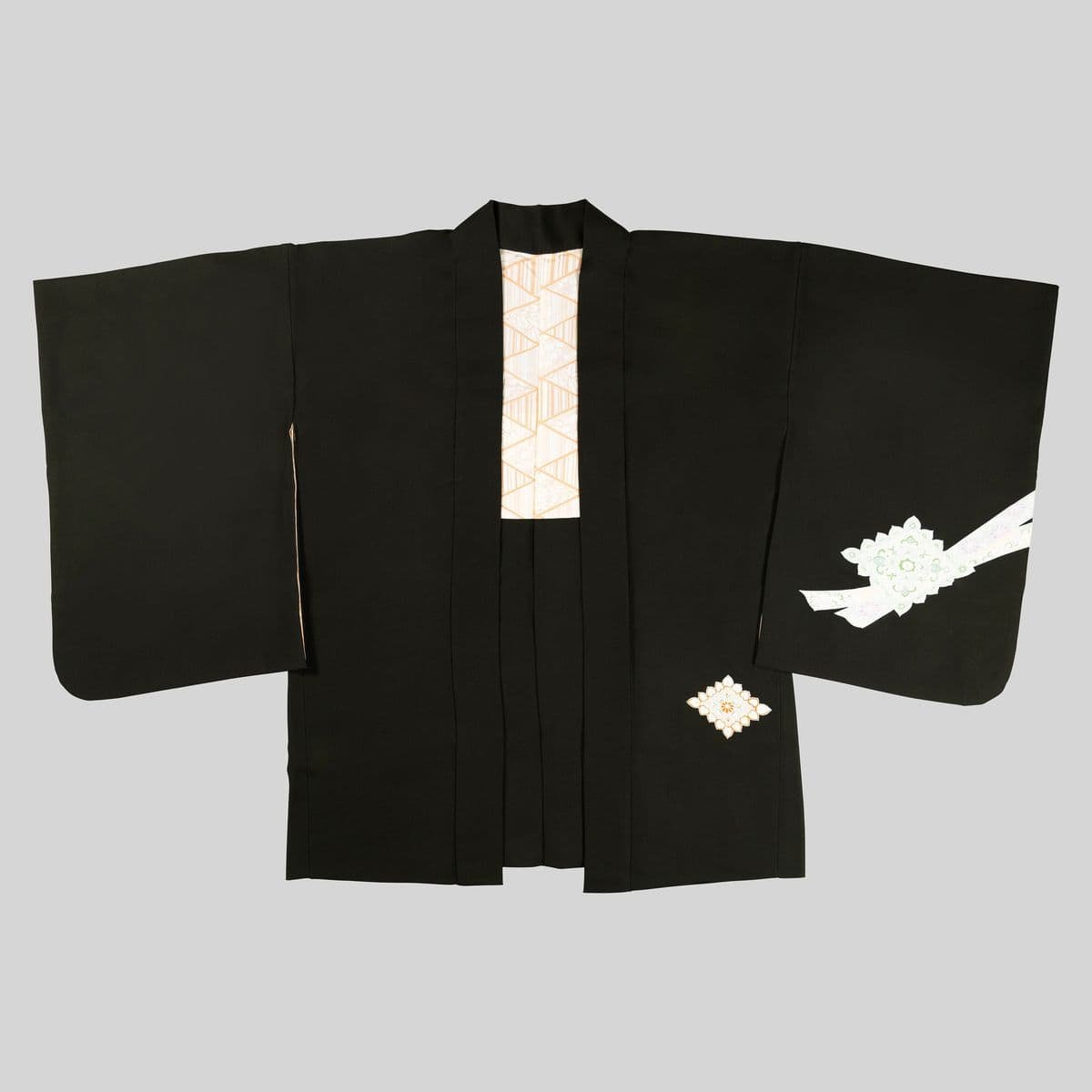
The haori is a short jacket worn over a kimono for warmth and style. Unlike kimonos, haori are not tied closed with an obi, making them easier to wear. Today, haori-inspired designs are often blended into modern fashion.
Cultural Importance – The Soul and Symbolism of Japanese Attire
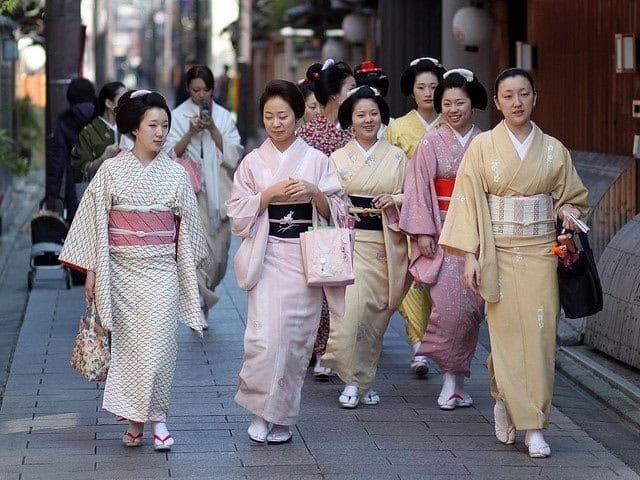
Japanese traditional clothing embodies respect for tradition, meticulous attention to detail, and a harmonious relationship with nature. Although daily wear in Japan has shifted toward modern clothing, traditional dress continues to play a significant role in cultural identity, celebrations, and ceremonies. In modern Japan, traditional garments like the kimono are cherished as cultural heritage, symbolizing elegance, history, and timeless beauty.
Wedding Attire Section
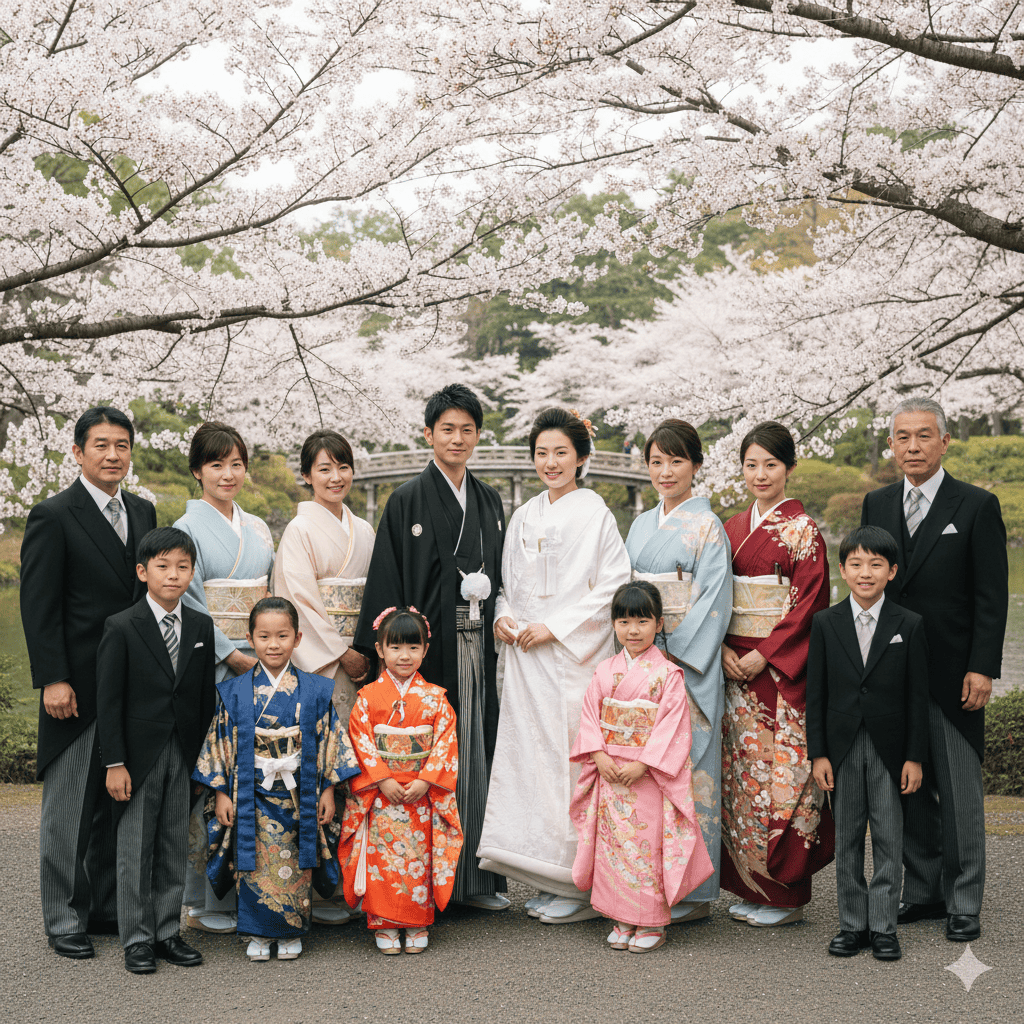
Bride’s Traditional Dress – Shiromuku: Purity and Timeless Grace
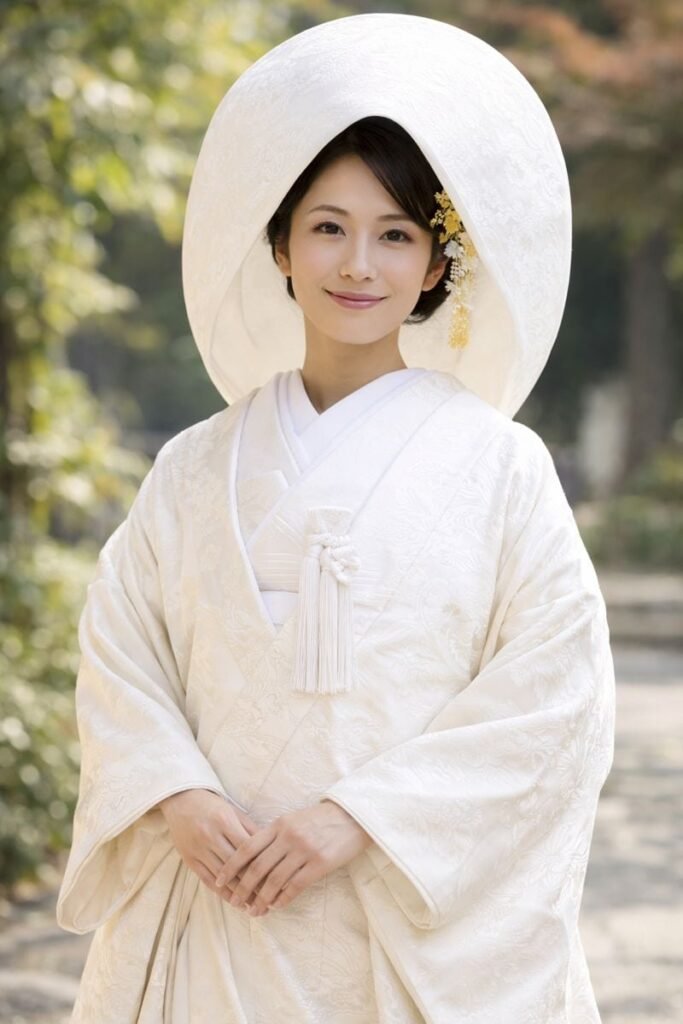
The shiromuku is a pure white silk kimono symbolizing purity and the bride’s willingness to embrace her husband’s family traditions. It features intricate patterns, such as cranes or seasonal motifs, and is paired with a wataboshi or tsunokakushi hood, representing modesty. For the reception, brides may change into colorful kimonos such as iromuji or uchikake adorned with vibrant gold, red, or floral designs.
Groom’s Traditional Dress – Montsuki Hakama: Strength and Heritage
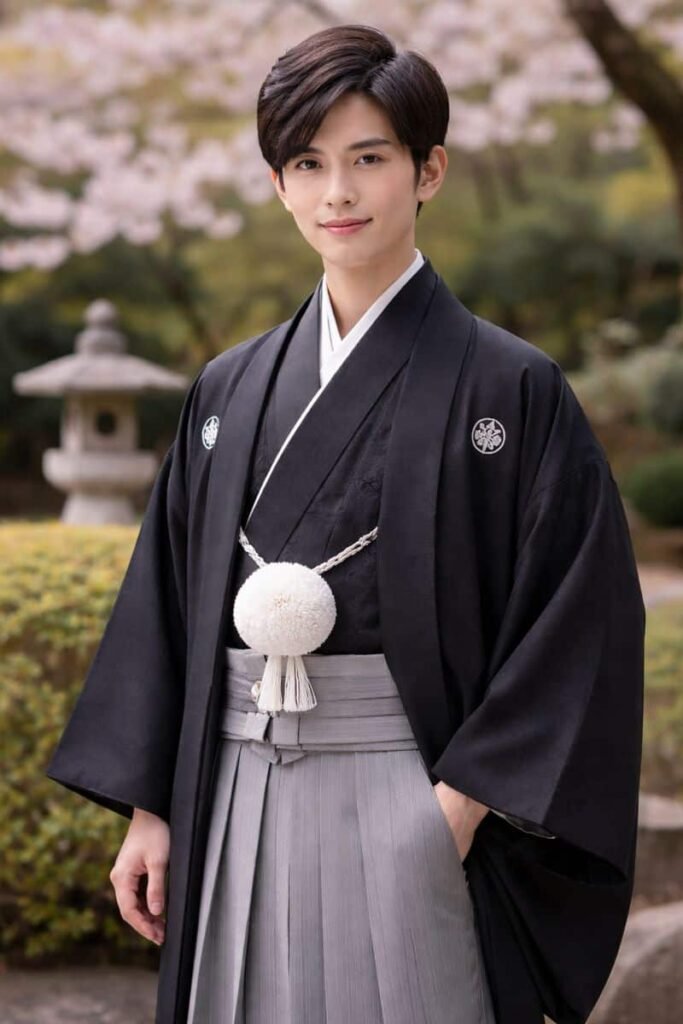
The groom wears a montsuki haori hakama, a formal black kimono adorned with his family crest on the chest, back, and sleeves. Gray or black pleated hakama trousers are worn over the kimono, with a white or patterned obi belt to complete the look, symbolizing respect, dignity, and family heritage.
Modern Clothing Section
Japanese Clothing Style – Fusion of Heritage and Contemporary Trends
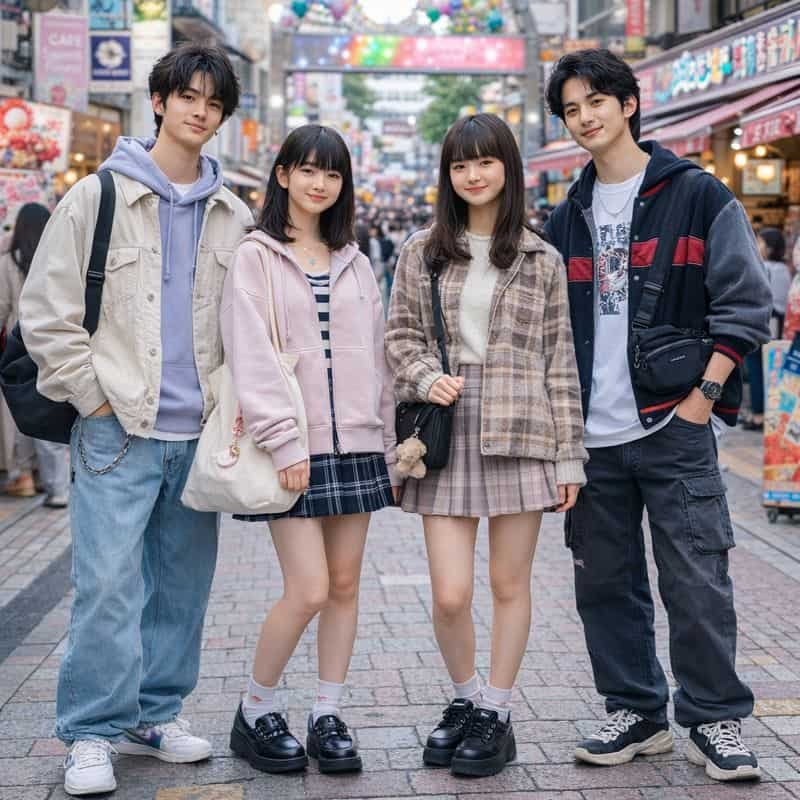
Modern Japanese clothing blends traditional influence with global trends. In Tokyo, styles range from minimalist casual wear to bold street fashion. Oversized layers, neutral tones, and comfortable designs are popular, while self-expression shines through unique mixes of Western and Japanese aesthetics.
Modern Casual Japanese Clothing – Everyday Elegance with Cultural Flair
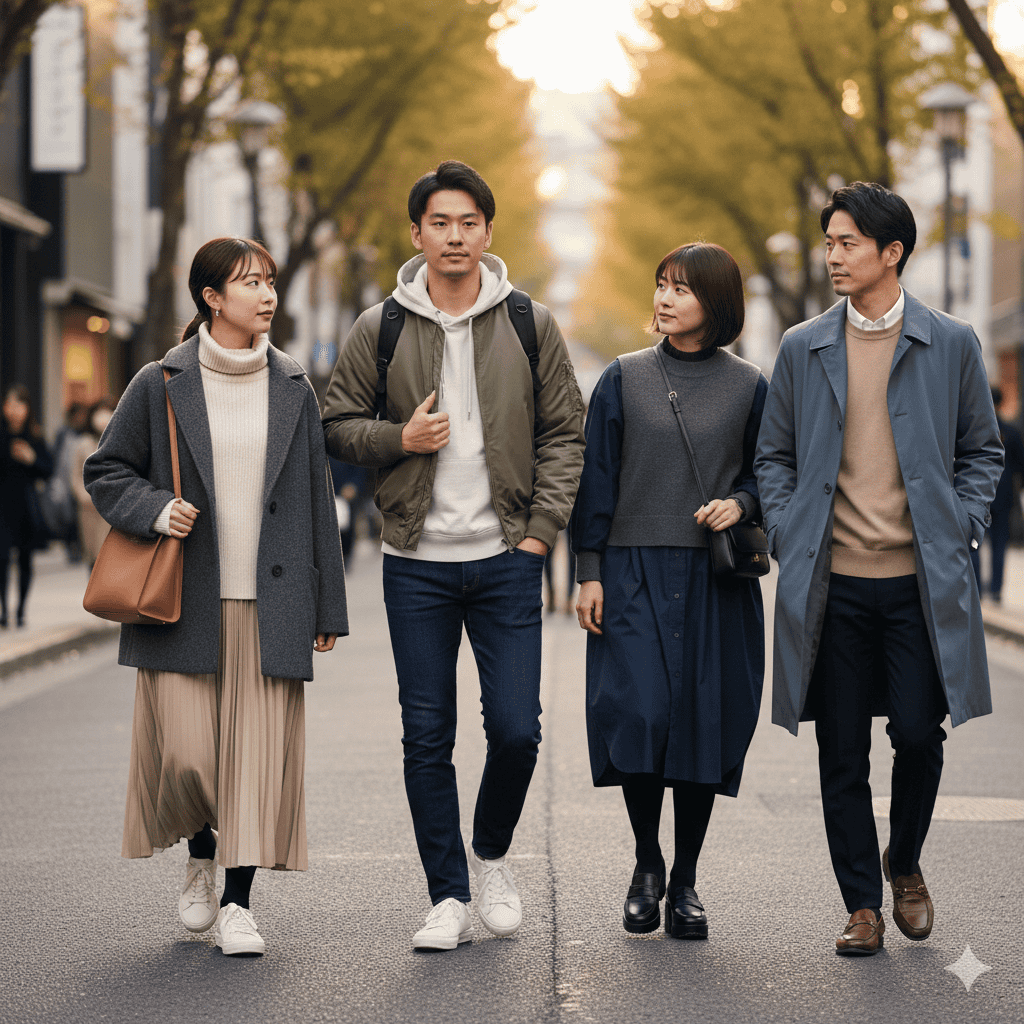
In daily life, Japanese people wear modern casual clothing like T-shirts, jeans, skirts, and jackets. Their style stands out for neatness, high-quality fabrics, and attention to detail, with neutral colors, layered outfits, and minimalist designs being especially popular.
Japanese Office Wear – Professionalism Infused with Refined Style
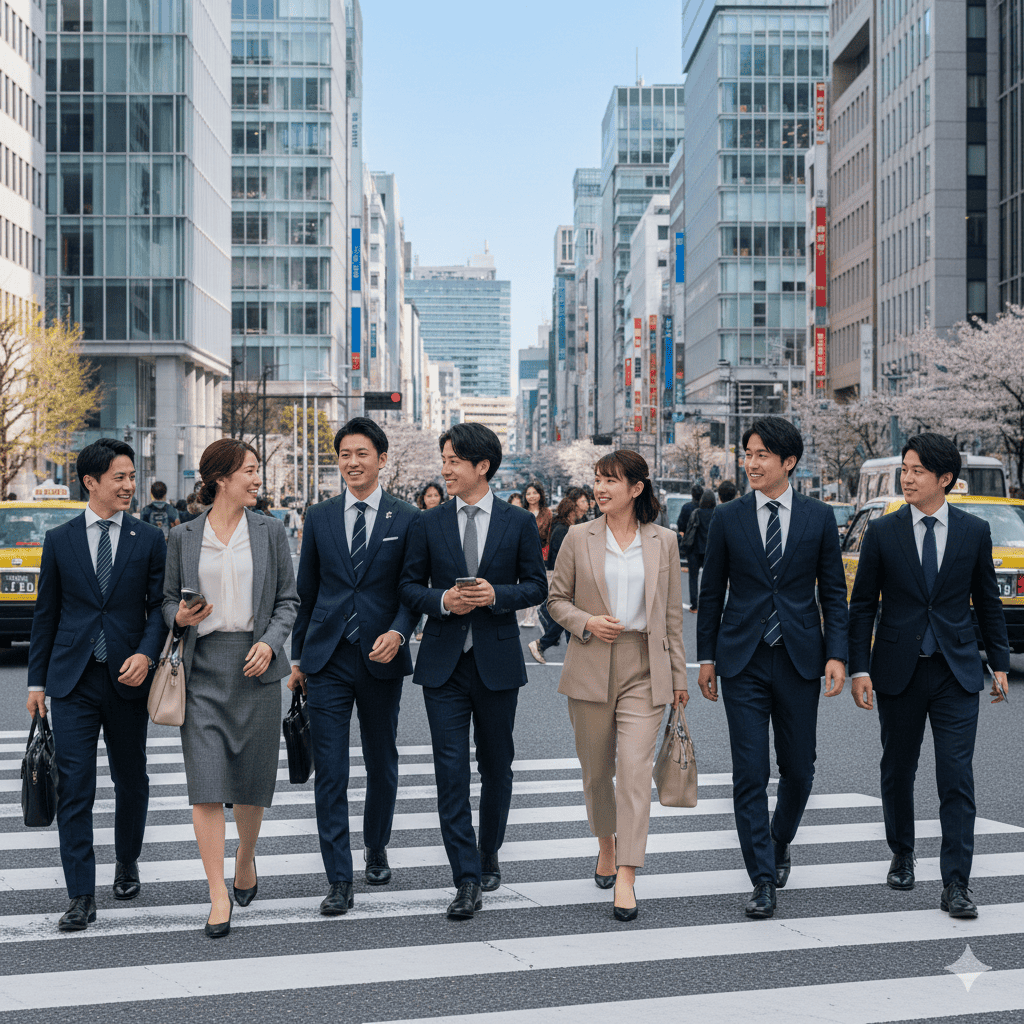
Japanese office wear is neat, modest, and professional. Men usually wear dark suits with white shirts and ties, while women opt for business suits, blouses, skirts, or pants in neutral colors.
Japanese Office Wear – Professionalism Infused with Refined Style
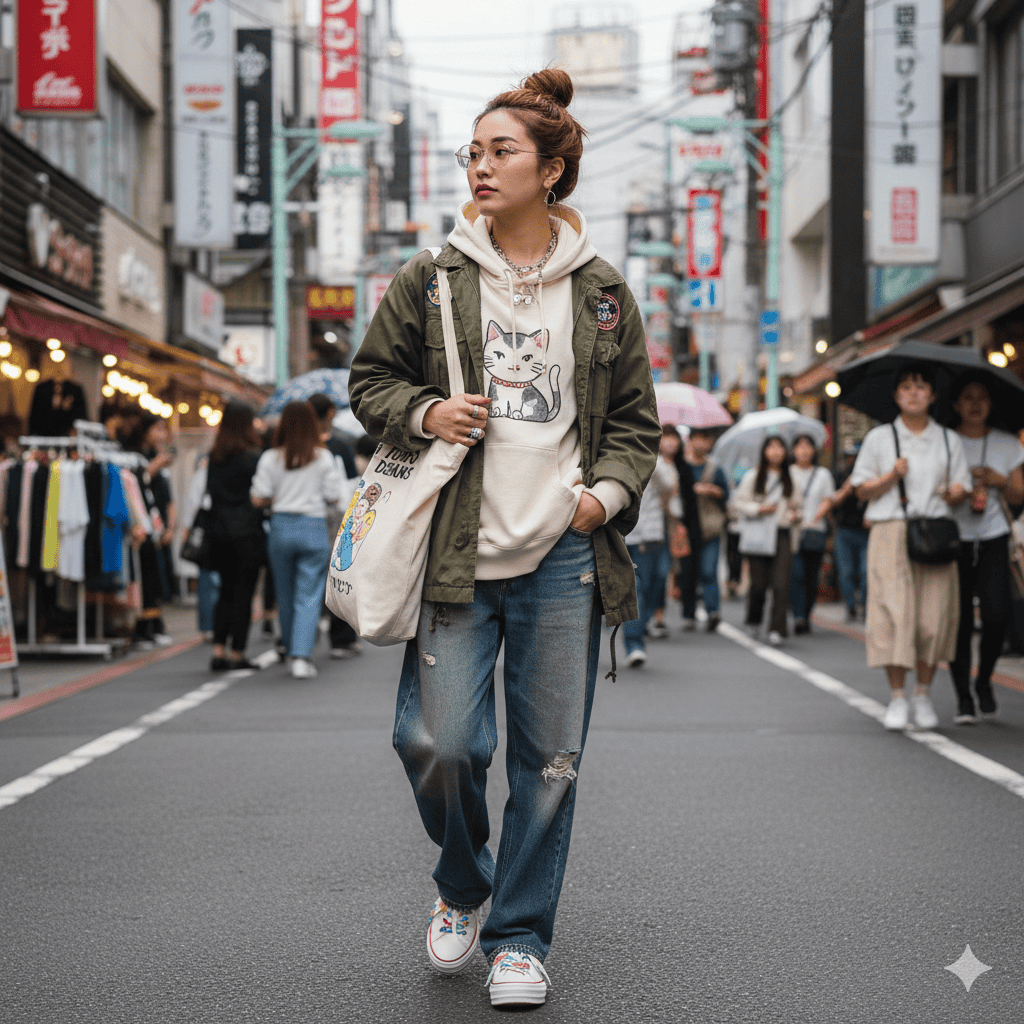
Japan is famous for its unique street fashion, particularly in areas like Harajuku and Shibuya. Casual street styles mix comfort with creativity, often blending Western clothing with Japanese influences. Oversized tops, sneakers, hoodies, and accessories are common elements.
Casual Japanese Dress – Simple, Comfortable, Yet Stylish
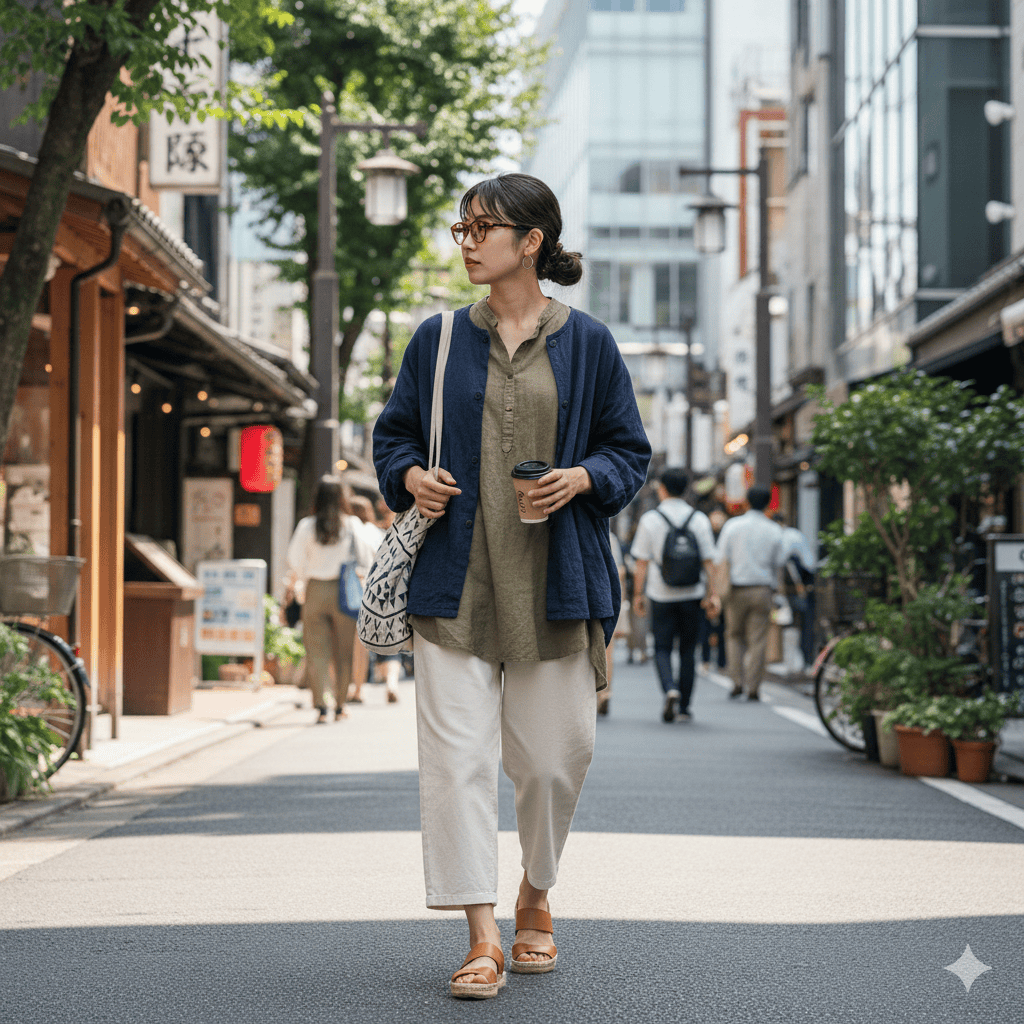
Casual Japanese dress focuses on comfort, simplicity, and practicality while still reflecting Japan’s unique sense of style. Unlike traditional clothing worn for ceremonies, casual outfits are designed for daily life and modern living.
Comfort and Cultural Influence – How Tradition Shapes Everyday Fashion
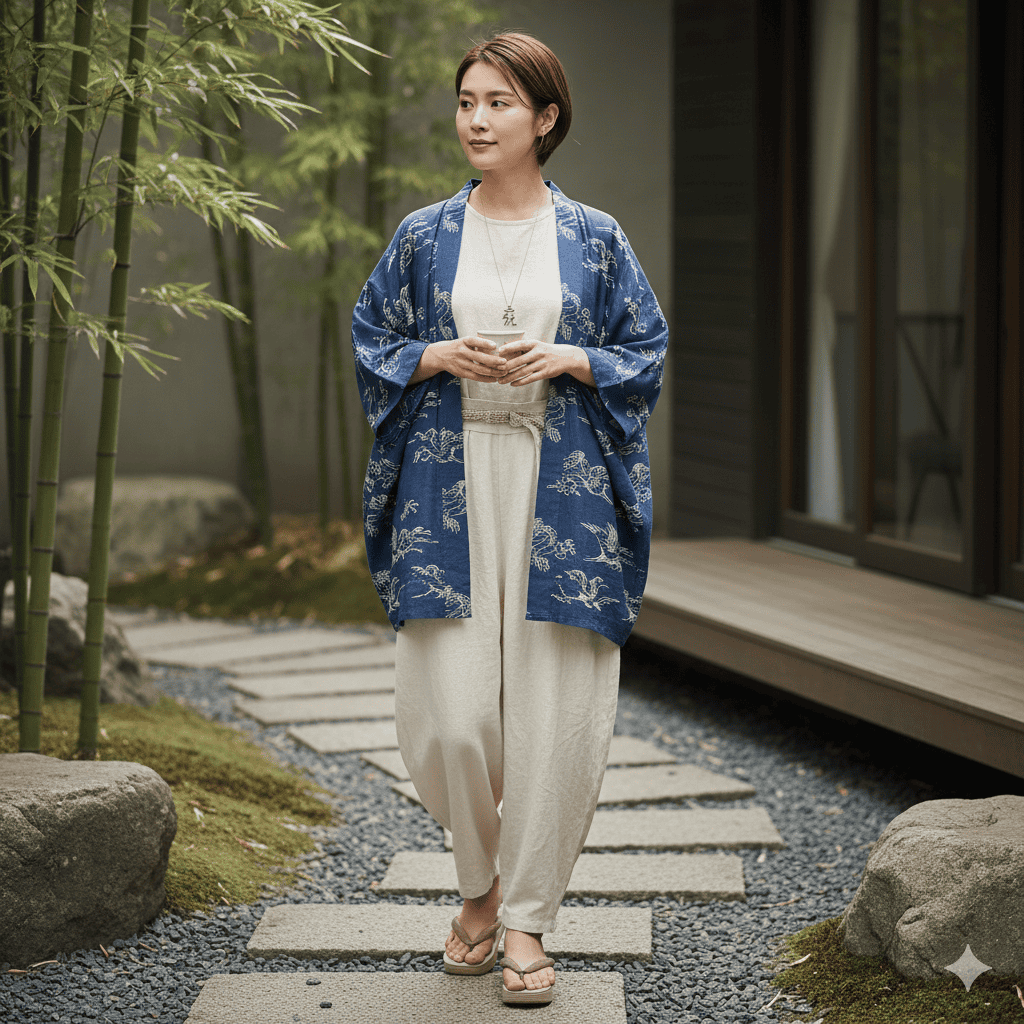
Casual Japanese dress reflects cleanliness, modesty, and harmony. Even everyday clothing is neat, well-fitted, and balanced. Combining traditional influences with modern comfort, Japanese casual style is practical, fashionable, and culturally rooted.
School Uniforms Section
Japanese School Dress – Uniforms Steeped in Culture and Identity
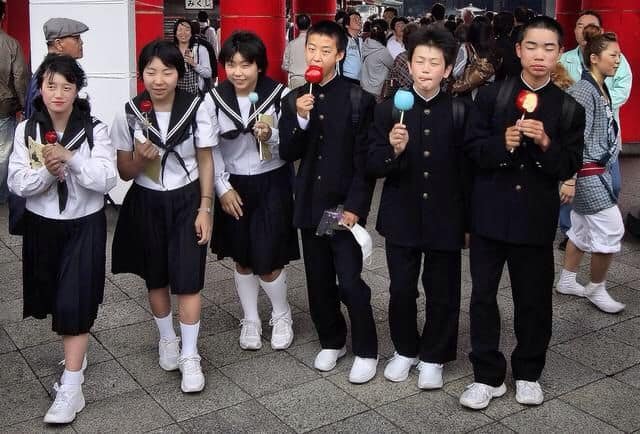
Japanese school uniforms are an important part of student life and reflect the country’s emphasis on discipline, unity, and neatness. Most schools require students to wear uniforms, which vary slightly by region and school type.
Types of Japanese School Uniforms – From Classic to Contemporary Styles
- Seifuku (Sailor Uniforms) – Worn by many middle and high school girls, featuring a sailor-style collar and pleated skirt.
- Blazer Uniforms – Common for both boys and girls in junior high and high school, consisting of blazers, shirts, ties, and skirts or trousers.
- Gakuran – Traditional boys’ uniform with a high-collared black or navy jacket and matching trousers.
Buy on Amazon
Visit our other Blogs on Japan
Discover Japan: The Ultimate Guide to Iconic Cities, Timeless Culture, and Stunning Attractions
Japanese Foods: A Complete Guide to Traditional and Modern Dishes