
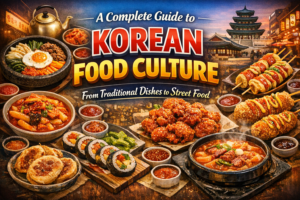

Korean Food Culture: A Delicious Blend of Tradition and Flavor
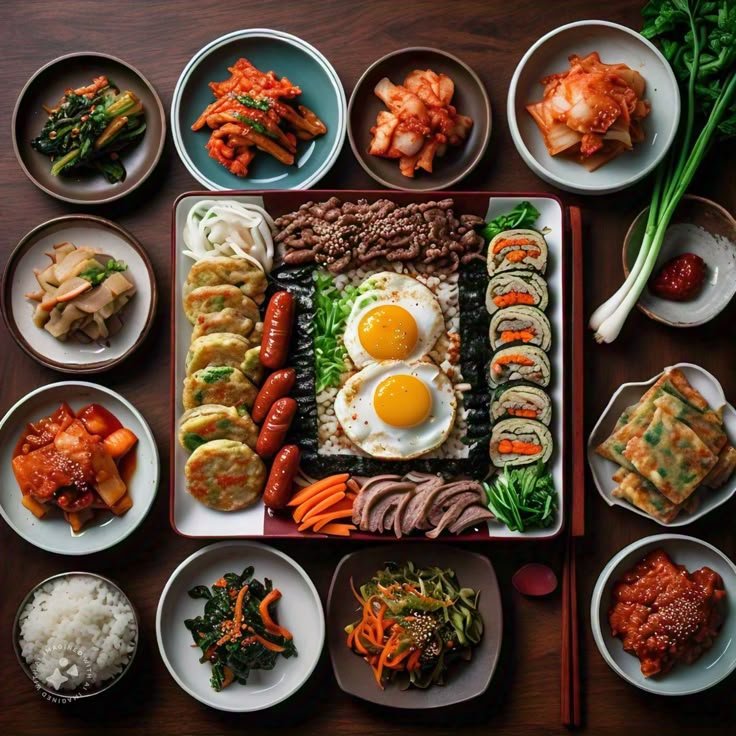
Korean food is more than just a meal—it is a reflection of history, culture, and deep respect for balance and health. Known for its bold flavors, colorful presentation, and communal style of eating, Korean cuisine has gained worldwide popularity. From spicy street snacks to carefully prepared traditional dishes, Korean food offers something for everyone.
The Heart of Korean Cuisine: Balance and Harmony
One of the key principles of Korean food is balance. Meals often include a mix of spicy, sweet, salty, sour, and bitter flavors. At the same time, dishes are designed to balance nutrients like carbohydrates, proteins, and vegetables. This thoughtful combination makes Korean food both tasty and healthy.
Rice and soup usually form the base of a traditional Korean meal. Along with these, several side dishes—called banchan—are served. These small dishes add variety, color, and nutrition to the table.
Popular Korean Dishes Loved Worldwide
Kimchi
Kimchi is the most iconic Korean food. It is made from fermented vegetables, mainly napa cabbage or radish, mixed with chili powder, garlic, ginger, and fish sauce. Besides its strong flavor, kimchi is rich in probiotics and is very good for digestion.
Bibimbap
Bibimbap is a colorful rice bowl topped with assorted vegetables, meat, a fried egg, and spicy gochujang sauce. It represents balance and harmony, as all ingredients are mixed together before eating.
Tteokbokki
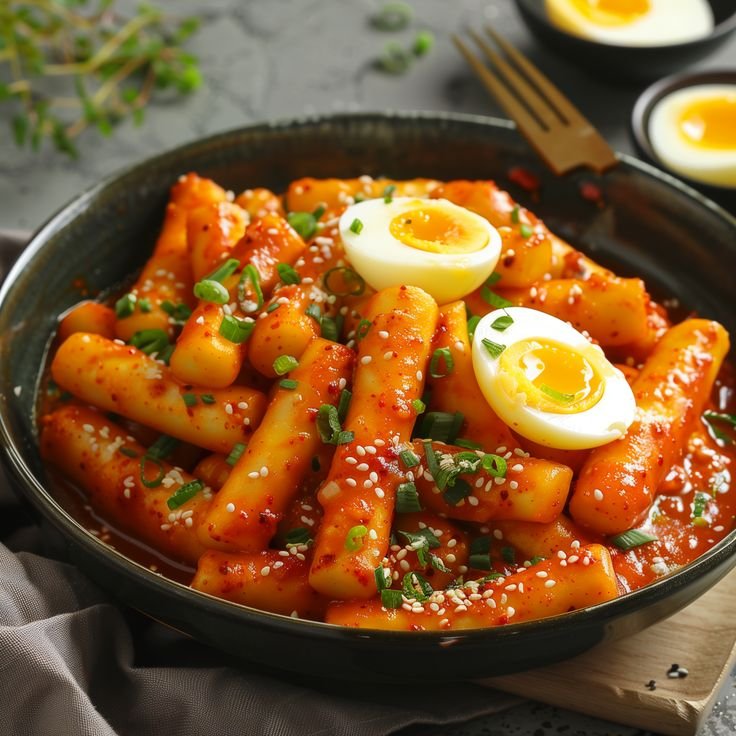
Tteokbokki is a popular Korean street food made with chewy rice cakes cooked in a spicy and slightly sweet chili sauce. It is especially loved by young people and is commonly found in street markets.
Bulgogi
Bulgogi is thinly sliced beef marinated in soy sauce, garlic, sugar, and sesame oil, then grilled or stir-fried. It has a sweet and savory taste and is one of the most famous Korean meat dishes.
Samgyeopsal
Samgyeopsal is grilled pork belly, often cooked at the table. People wrap the meat in lettuce leaves with garlic, sauce, and side dishes. This interactive dining style makes meals more social and fun.
Korean Street Food Culture
Korean street food is vibrant and exciting. From hotteok (sweet pancakes) to odeng (fish cake skewers), street food stalls are everywhere, especially at night markets. These foods are affordable, quick, and full of flavor, making them a big part of daily life in Korea.
Health Benefits of Korean Food
Korean cuisine uses many fermented and vegetable-based dishes. Ingredients like garlic, chili, soybean paste, and sesame oil have strong health benefits. Because of this, Korean food supports digestion, boosts immunity, and promotes overall wellness.
Why Korean Food Is Loved Globally
Korean food stands out because it combines tradition with modern taste. K-dramas, K-pop, and Korean culture have introduced these dishes to the world. As a result, people everywhere are eager to explore Korean flavors and cooking styles.
Conclusion
Korean culture and traditions beautifully combine ancient customs with modern innovation. From traditional Hanbok and festivals to global K-pop influence, Korea continues to preserve its heritage while embracing modern change.
Understanding Korean culture helps us appreciate its values of respect, family, harmony, and creativity.
Frequently Asked Questions About Korean Culture
What are the main values of Korean culture?
Korean culture focuses on respect for elders, family unity, hierarchy, and harmony.
What is traditional Korean clothing?
Hanbok is the traditional Korean dress worn during festivals and ceremonies.
What are important Korean festivals?
Seollal and Chuseok are the most important traditional Korean festivals.
INDIAN FOOD CULTURE
Understanding Korean Culture and Traditions
Japanese Foods: A Complete Guide to Traditional and Modern Dishes
