

Japanese cuisine represents a sophisticated art that harmonizes fresh, seasonal ingredients with rich cultural traditions. Below is a brief overview of its fundamental components:
Culture and Etiquette
- Seasonality: Ingredients are selected to mirror the current cycle of nature, guaranteeing optimal freshness.
- Respect: Practices such as saying itadakimasu (before meals) and gochisousama deshita (after meals) express appreciation for the food and the chef.
- Symbolism: In addition to nourishment, particular dishes are presented during celebrations to symbolize health, prosperity, and good fortune.
In essence, Japanese dining is a harmony of simplicity, precision, and respect for the natural world.
Traditional Dress in Japan
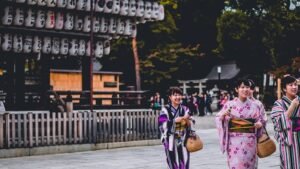
Japan’s dress code represents an intriguing combination of traditional and contemporary aspects, showcasing its extensive history and cultural development. Central to traditional clothing is the kimono, a robe-like garment that has been utilized for centuries. The kimono‘s elaborate patterns and vivid hues frequently indicate the wearer’s social standing, regional background, and even significant life events. Variations like the yukata, a lighter cotton alternative usually donned during summer festivals, emphasize regional distinctions and seasonal shifts in fashion.
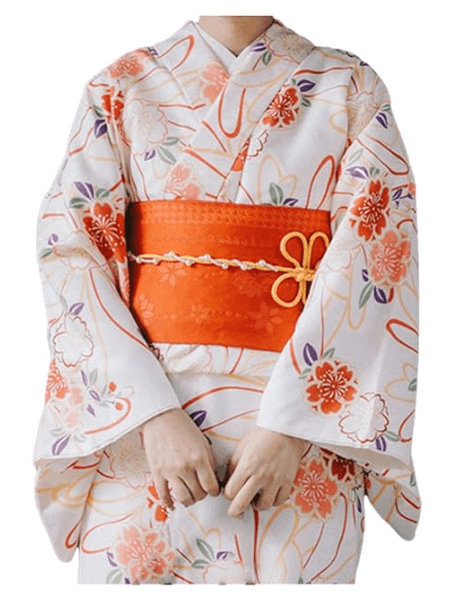
Alongside the kimono, the esteemed traditional dress code encompasses garments such as the hakama, elegantly worn over the kimono for formal events. The selection of fabric and design may vary with the changing seasons, festivals, and ceremonies, reflecting the profound bond between attire and cultural legacy. In moments of significance, traditional clothing is vital in upholding and honoring Japan’s rich historical traditions.
As Japan welcomed Western influences during the late 19th century, a new era of modern fashion took shape, standing in stark contrast to its traditional styles. In contemporary times, Japanese fashion artfully intertwines Western trends with a deep respect for traditional garments. Urban locales such as Harajuku serve as a canvas for eclectic subcultures and audacious self-expression. The styles on display vary from preppy aesthetics to punk and Lolita fashion, creating a lively and vibrant tapestry.
In spite of the widespread adoption of contemporary fashion, traditional garments continue to hold significant value during momentous events like weddings, tea ceremonies, and cultural festivals. These occasions provide individuals with the opportunity to engage with their ancestral roots, harmonizing the past with the present, while underscoring the enduring significance of attire as a representation of social standing and cultural identity.
A Glimpse into Japanese Lifestyle and Social Norms
The Japanese way of life is characterized by a unique fusion of tradition and modernity that influences everyday experiences. A fundamental cultural principle is wa (和), which signifies harmony, guiding social interactions and promoting community unity. In numerous social contexts, the consensus of the group is prioritized over individual viewpoints, illustrating the collectivist essence of Japanese culture.
Work holds significant importance in the lives of many individuals in Japan. Extended working hours are prevalent, demonstrating a profound dedication to their roles and employers. Loyalty to the company often supersedes personal desires, nurturing resilience and commitment. Family units are tightly woven, with a profound reverence for the elderly. Children are taught to contribute to both family and community, emphasizing the importance of shared responsibility.
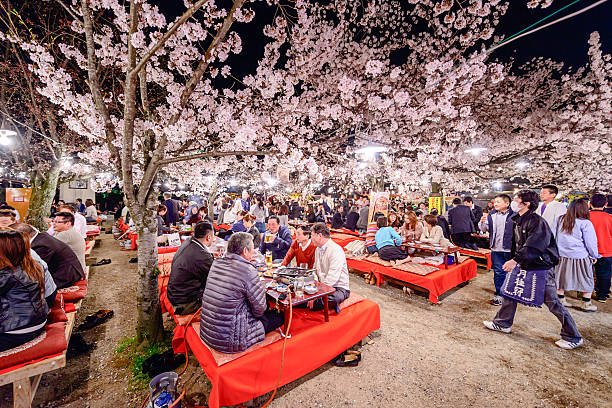
Leisure pursuits offer a crucial equilibrium to the demands of professional life. Seasonal festivities such as cherry blossom viewing and summer festivals are profoundly embedded in Japanese tradition. These occasions foster a connection with nature and honor a collective heritage. Such assemblies promote social connections and provide respite from the monotony of daily life. Moreover, technology is integral to the fabric of everyday existence in Japan. Smart home gadgets and mobile applications elevate efficiency, productivity, and leisure experiences.
The changing seasons profoundly impact lifestyle practices in Japan. With every season, a variety of activities, culinary delights, and traditions come to the forefront, showcasing the splendor of nature and the flow of time. Gaining an understanding of these facets of Japanese culture provides a glimpse into the intricate fabric of their social customs and lifestyle preferences.

The Influence of Culture on Japanese Etiquette and Manners
- Bowing: The foremost method of greeting; the angle and length of the bow are influenced by the rank of the individual you are addressing.
- Keigo (Honorifics): An intricate framework of respectful language where verb conjugations shift according to social hierarchy to convey appropriate respect.
- Non-Verbal Cues: Modesty is essential. Sustaining gentle eye contact and employing subdued facial expressions are indicators of respect and humility.
- Gift-Giving: A quintessential method to express appreciation. The artistry of presentation and wrapping holds equal significance to the gift itself.
- Dining Etiquette: Customs such as uttering itadakimasu (a gesture of gratitude prior to dining) and employing chopsticks with finesse are vital reflections of cultural principles.
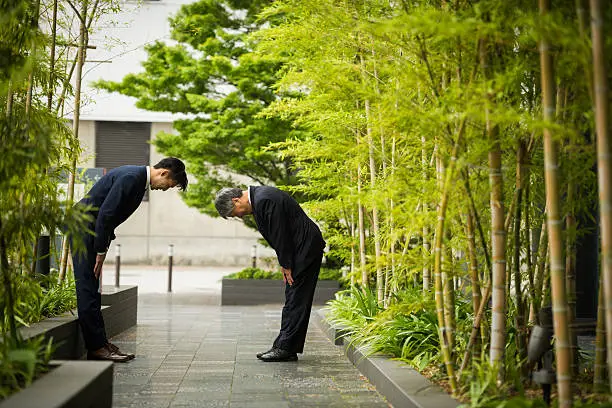
Through the lens of etiquette and manners, Japanese culture profoundly underscores the importance of respect, harmony, and social cohesion. These cherished values significantly impact personal interactions and intricately mold the very fabric of society.
Frequently Asked Questions
What are the staple foods in Japanese cuisine?
Rice, fish, and vegetables form the foundation of Japanese cooking. Rice holds a sacred place in Japanese culture and appears at almost every meal, usually steamed to complement other dishes. Fish features prominently in iconic dishes like sushi and sashimi, where chefs focus on freshness, quality, and precise preparation.
Vegetables are prepared through pickling, steaming, and sautéing to create varied textures and flavours. Fermented ingredients like miso and soy sauce add depth and umami — the rich, savoury taste that sits at the heart of Japanese cuisine. Together, these ingredients reflect Japan’s deep respect for nature, seasonality, and balance in food.
What is umami and why is it important in Japanese food?
Umami is the fifth basic taste, alongside sweet, sour, salty, and bitter. Japanese describes it as a deep, savoury, satisfying flavour that enhances the overall taste of a dish. Natural fermentation processes create umami in ingredients like miso, soy sauce, dashi (a light stock made from seaweed and dried fish), and aged cheeses.
Japanese cuisine places enormous importance on umami because it adds complexity and richness without relying on heavy sauces or spices. When you eat a bowl of miso soup or a piece of well-made sushi, the satisfying depth you taste is largely the result of umami working in the dish.
What is the difference between a kimono and a yukata?
Both the kimono and the yukata are traditional Japanese garments, but they serve different purposes and suit different occasions. A kimono is a formal, intricately designed robe made from silk or high-quality fabric. People wear kimonos at weddings, tea ceremonies, coming-of-age ceremonies, and other significant cultural events.
A yukata is a lighter, more casual version made from cotton. People typically wear yukatas during summer festivals, visits to hot springs, and informal outdoor gatherings. Think of the kimono as formal wear and the yukata as its relaxed, warm-weather cousin — both beautiful, but suited to very different settings.
What does the Japanese concept of “wa” mean in daily life?
Wa (和) is the Japanese concept of harmony, and it shapes nearly every aspect of social life in Japan. It encourages people to prioritise group wellbeing over individual desires, to avoid conflict, and to maintain peaceful relationships in all settings — at work, at home, and in public.
In practice, wa means that group consensus matters more than personal opinion in many situations. It explains why Japanese people tend to be reserved, polite, and considerate in their interactions. It also explains the strong sense of community and collective responsibility that runs through Japanese society, from neighbourhoods to workplaces to schools.
How does gift-giving work in Japanese culture?
Gift-giving plays a central role in Japanese social life and follows specific customs that reflect the values of respect, thoughtfulness, and gratitude. People give gifts during special occasions, festivals, and as expressions of appreciation.
The presentation of the gift matters as much as the gift itself — careful wrapping, neat presentation, and attention to detail all signal the giver’s care and respect. When receiving a gift, Japanese etiquette encourages showing humility and genuine appreciation rather than opening it immediately in front of the giver. Two important gift-giving seasons in Japan are Ochugen in summer and Oseibo in winter, when people give gifts to those they respect and feel grateful toward.
How do seasonal changes influence Japanese lifestyle and culture?
Seasons play a profound role in shaping Japanese daily life, food, fashion, and celebrations. Japan’s four distinct seasons each bring their own customs, foods, and activities.
Spring is the season of cherry blossom viewing (hanami), where families and friends gather under blooming sakura trees for picnics and celebration. Summer brings vibrant outdoor festivals (matsuri), fireworks displays, and the wearing of yukatas.
Autumn highlights the beauty of red and gold foliage, inspiring nature walks and harvest foods. Winter centres on warmth, family gatherings, and the New Year celebrations. This deep connection to seasonal change reflects Japan’s cultural appreciation for nature and the belief that living in harmony with the natural world enriches everyday life.
Visit Our other Blogs on Japan
Click to Discover Japan: Travel Guide to Top Cities, Culture, and Attractions
Japanese Productivity Secrets: 8 Ways to Stop Being Lazy