
Indian Food Culture
Indian food culture is one of the oldest and most diverse food traditions in the world. It is deeply connected to India’s history, geography, climate, religions, and traditions. Indian cuisine is not just about taste it represents hospitality, family values, festivals, and cultural identity.
North Indian Food
North Indian cuisine is known for wheat-based foods like roti and naan, along with rich and creamy gravies. Popular dishes include butter chicken, paneer butter masala, dal makhani, chole bhature, and rajma chawal.
South Indian Food
Visit Tamil Nadu Tourism site for Travel Information
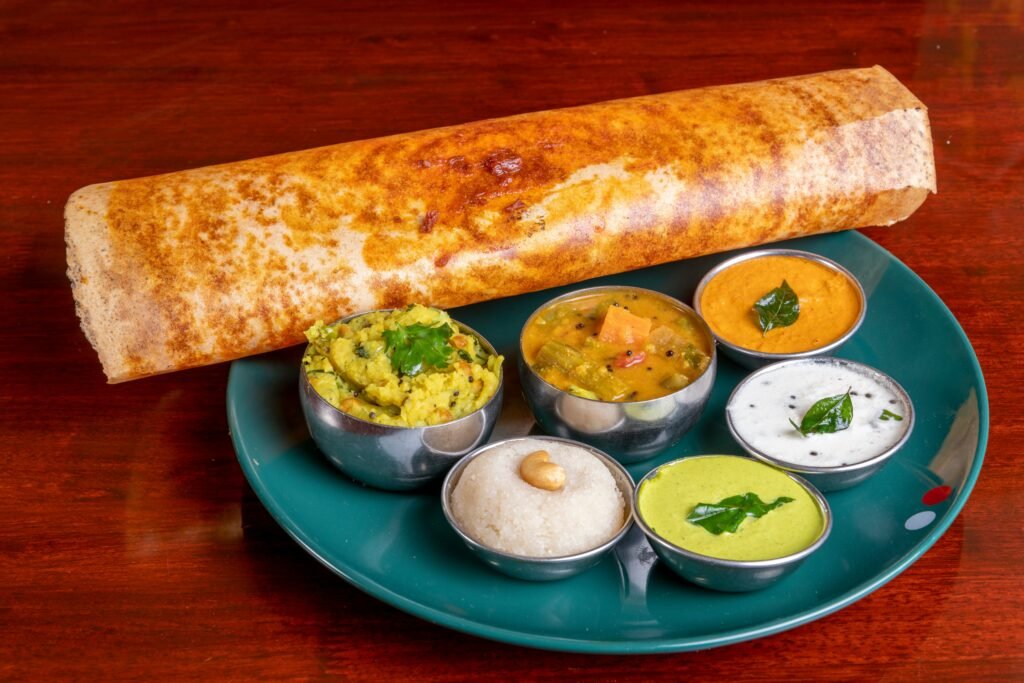
South Indian food is mostly rice-based and includes dishes such as dosa, idli, sambhar, rasam, and coconut curries. The food is light, flavorful, and often served on banana leaves.
Indian Spices and Flavors
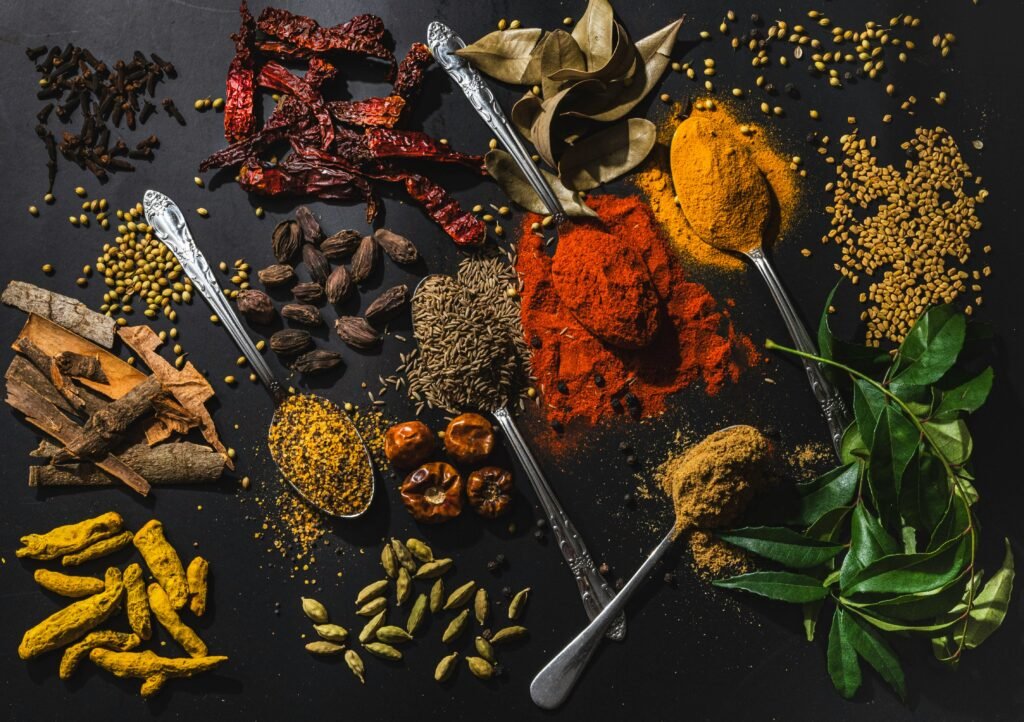
Spices are the heart of Indian cooking. Commonly used spices include turmeric, cumin, coriander, cardamom, cloves, cinnamon, and chili. These spices add aroma, color, taste, and health benefits to Indian food.
Indian Street Food
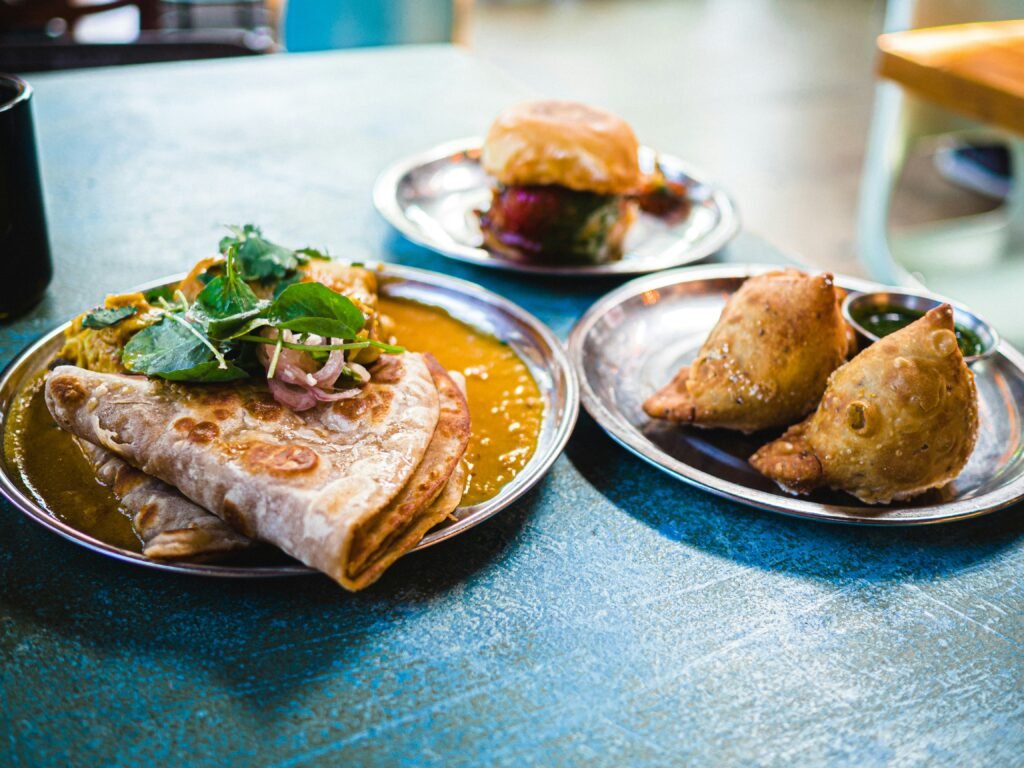
Indian street food is famous all over the world for its bold flavors and variety. Popular street foods include pani puri, samosa, chaat, bhel puri, pakoras, and pav bhaji. Street food reflects the vibrant and lively culture of India.
Traditional Indian Meals
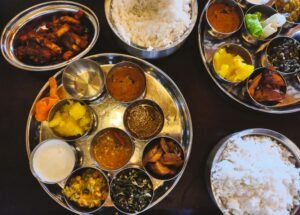
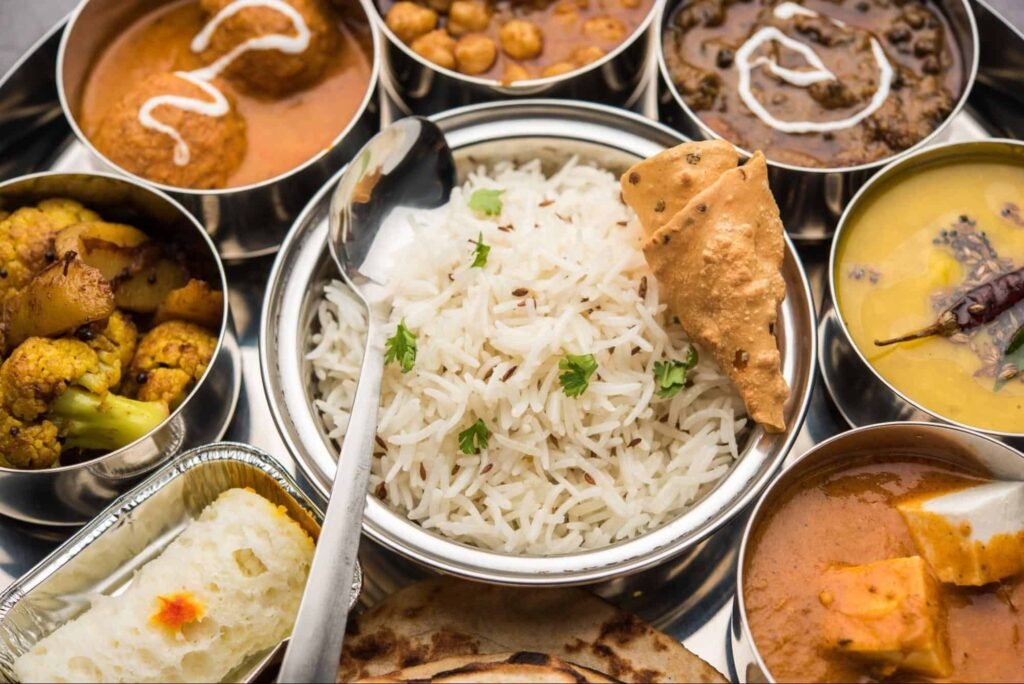
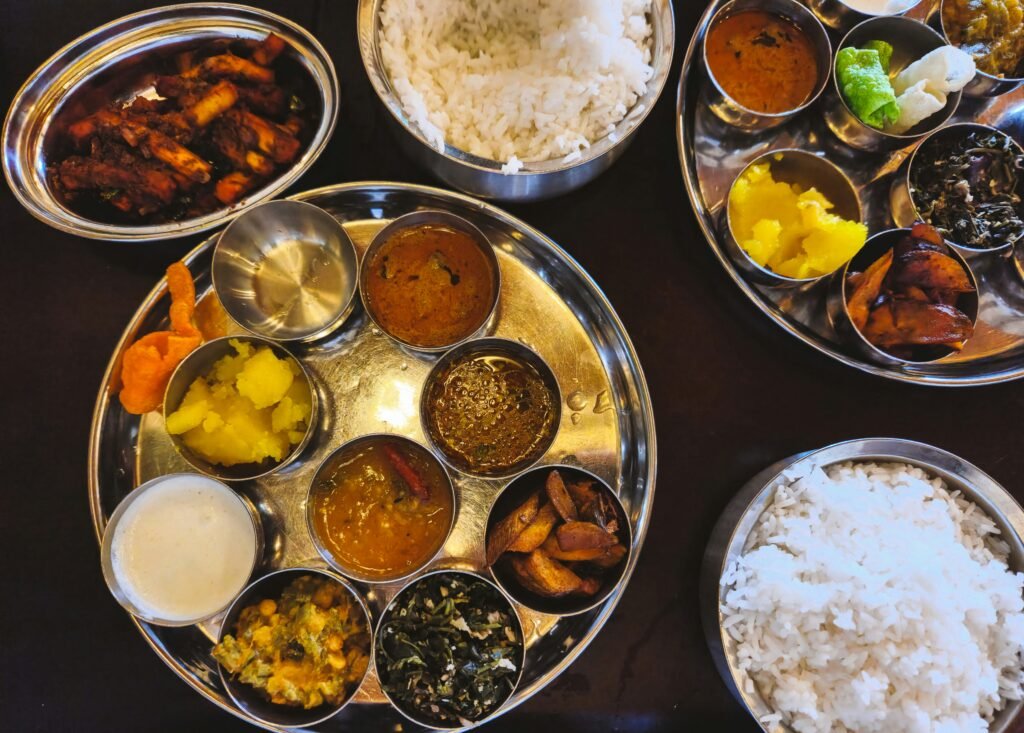
A traditional Indian meal is often served as a thali, which includes rice, roti, dal, vegetables, curry, curd, pickle, and dessert. Eating together is an important part of Indian culture and strengthens family bonds.
Festivals and Food
Food plays a major role in Indian festivals and celebrations. Special dishes are prepared during festivals like Diwali, Pongal, Holi, and Eid, symbolizing joy, sharing, and gratitude.
Conclusion
Indian food culture is a celebration of diversity, tradition, and taste. From simple home-cooked meals to grand festive feasts, Indian cuisine continues to attract people from all over the world with its rich flavors and cultural significance.
