Drug discovery and medical research AI tools transform how scientists explore treatments and therapies. These platforms analyze complex biological and chemical data efficiently. Therefore, research teams reduce experimentation time and cost. Developers integrate AI models through APIs and cloud systems. As a result, discovery pipelines move faster. Ultimately, innovation reaches patients sooner.
Insilico Medicine – AI Drug Discovery
Insilico Medicine applies AI to drug target identification and molecule design. It analyzes biological pathways and disease mechanisms. Moreover, it accelerates lead compound generation. Researchers use it for predictive modeling and simulation. Therefore, discovery cycles shorten significantly. As a result, research productivity increases.
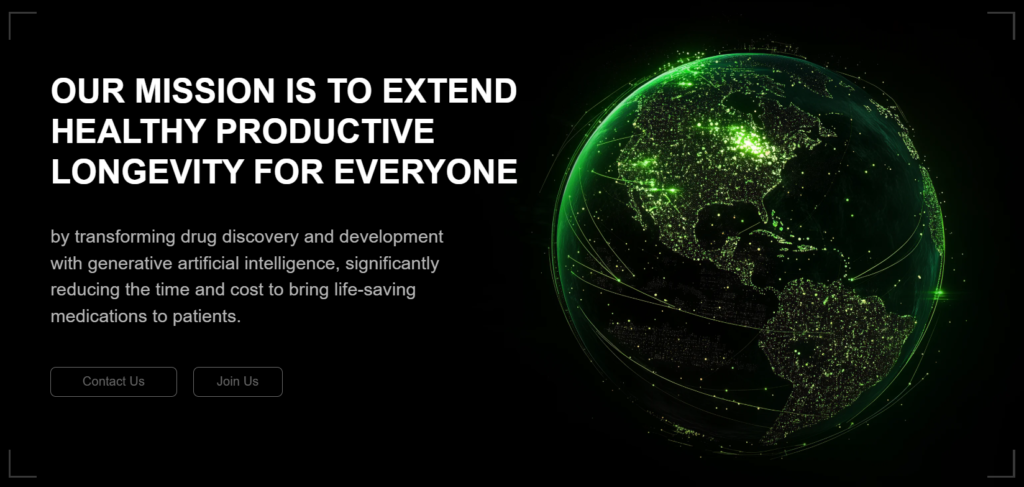
Atomwise – AI Molecular Screening
Atomwise uses deep learning for virtual molecular screening. It predicts binding affinity between compounds and targets. Additionally, it reduces reliance on physical testing. Research teams integrate Atomwise for early stage discovery. Therefore, scientists identify promising candidates faster. Ultimately, drug development becomes more precise.
BenevolentAI – Biomedical Research AI
BenevolentAI connects scientific literature with biomedical data using AI. It uncovers hidden relationships across diseases and drugs. Moreover, it supports hypothesis generation for researchers. Teams use it to prioritize research directions. Therefore, insights emerge more efficiently. As a result, innovation scales across medical research.
Schrödinger – Computational Drug Design
Schrödinger combines physics based modeling with AI algorithms. It predicts molecular behavior with high accuracy. Additionally, it supports structure based drug design. Researchers use it for simulation and optimization. Therefore, compounds improve before laboratory testing. Ultimately, success rates increase in development.
Exscientia – AI Driven Drug Design
Exscientia designs drug candidates using AI guided automation. It analyzes chemical and biological datasets together. Moreover, it optimizes molecules for safety and efficacy. Research teams integrate it into discovery workflows. Therefore, candidates reach trials faster. As a result, development timelines shorten.
Frequently Asked Questions
How do AI tools support drug discovery?
They analyze data, predict molecular interactions, and accelerate identification of promising drug candidates.
Do AI tools replace medical researchers?
No. They support researchers with insights while humans guide scientific decisions.
Can startups use drug discovery AI platforms?
Yes. Many platforms offer scalable cloud access and flexible research integrations.
Are these AI tools reliable for medical research?
Yes. Leading tools validate models using clinical data and peer reviewed research.
What research areas benefit most from AI?
Drug design, target discovery, molecular screening, and disease modeling benefit the most.
Visit our other AI articles:
Top Creative AI Tools for Images, Design & Video
