
Enchanting Waterfalls in India
India offers spectacular waterfalls that attract travelers from across the world. These natural wonders create unforgettable experiences for leisure and adventure tourism. Whether you seek dramatic monsoon cascades or serene year-round flows, India’s waterfalls never disappoint.
1. Jog Falls, Karnataka
Jog Falls is one of the highest waterfalls in India, plunging from a dramatic height of 830 feet. The mighty Sharavathi River powers this magnificent cascade, splitting into four distinct streams — Raja, Rani, Rover, and Rocket — before crashing into the valley below. The misty surroundings and lush forest cover make it a paradise for nature lovers and photographers alike. During peak monsoon, the roar of the falls can be heard from miles away, making it a truly humbling experience.
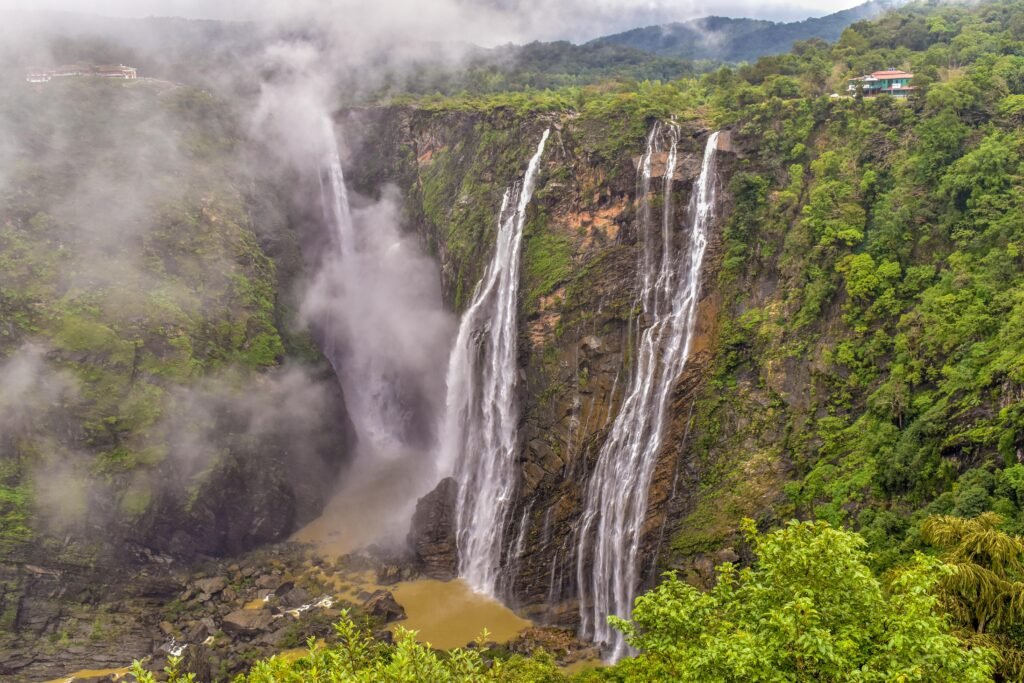
Nearest Railway Station: Shimoga Railway Station, around 100 km away.
Nearest Airport: Hubli Airport, approximately 130 km away.
How to Reach: Buses and taxis are available from Shimoga or Hubli.
Best Season: July to September.
Official Karnataka Tourism Website
2. Dudhsagar Falls, Goa
Dudhsagar, meaning “Sea of Milk,” is one of India’s tallest and most visually striking waterfalls, tumbling down from a height of over 1,000 feet on the Goa–Karnataka border. The milky-white cascades cutting through the dense Bhagwan Mahavir Wildlife Sanctuary create a scene that looks straight out of a painting. Visitors can enjoy thrilling jeep safaris through the forest to reach the base, and the view of the falls framed against the old railway viaduct is simply iconic.
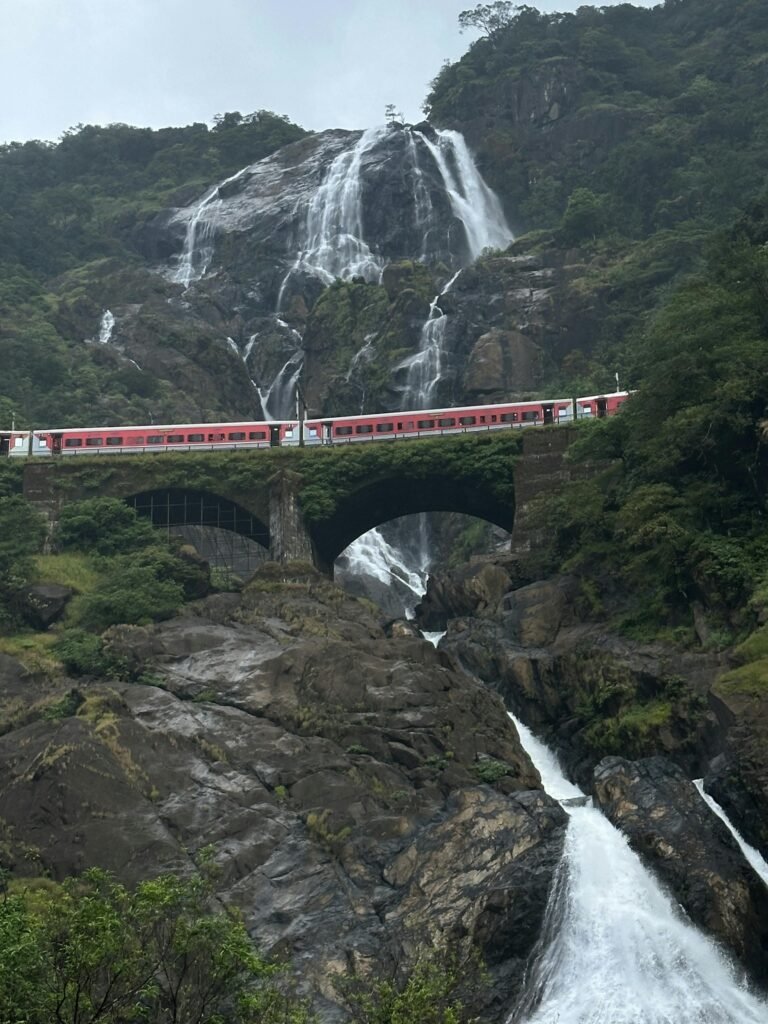
Nearest Railway Station: Kulem Railway Station, 10 km away.
Nearest Airport: Goa International Airport, around 60 km away.
How to Reach: Jeeps operate from Mollem during tourist seasons.
Best Season: October to January.
3. Nohkalikai Falls, Meghalaya
Standing at over 1,100 feet, Nohkalikai is India’s tallest plunge waterfall and one of its most hauntingly beautiful. Located near Cherrapunji — one of the wettest places on Earth — the waterfall descends from dramatic limestone cliffs into a striking turquoise-green pool below. The surrounding landscape of deep gorges, swirling mist, and rich folklore makes this one of Northeast India’s most memorable natural attractions. Local legends surrounding the waterfall add a poignant layer to its natural grandeur.
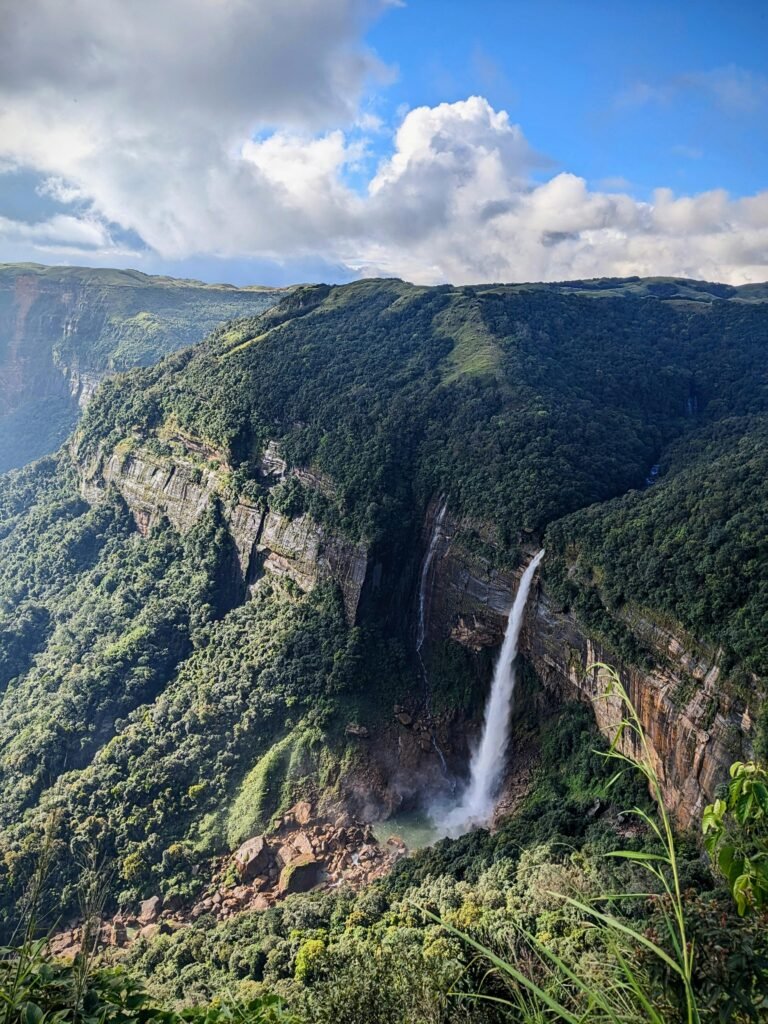
Nearest Railway Station: Guwahati Railway Station, about 150 km away.
Nearest Airport: Shillong Airport, nearly 90 km away.
How to Reach: Taxis from Shillong are easily available.
Best Season: September to May.
Official Meghalaya Tourism Website
4. Athirappilly Falls, Kerala
Often called the “Niagara of India,” Athirappilly Falls is Kerala’s largest and most powerful waterfall, cascading majestically through the heart of a tropical rainforest. The Chalakudy River plunges 80 feet over a wide rocky ledge, creating a thunderous roar and a permanent mist that keeps the surrounding jungle lush and cool. The area is a haven for wildlife, with elephants, hornbills, and rare butterflies frequently spotted on the forest trails. Its cinematic beauty has made it a popular backdrop for numerous Indian films.
Nearest Railway Station: Chalakudy Railway Station, 30 km away.
Nearest Airport: Cochin International Airport, about 40 km away.
How to Reach: Buses and taxis connect from Chalakudy town.
Best Season: June to September.
Official Kerala Tourism Website
5. Hogenakkal Falls, Tamil Nadu
Hogenakkal, meaning “smoking rocks” in Kannada, is a unique and beloved waterfall where the Cauvery River tumbles over ancient Precambrian rocks in a series of smaller cascades spread across a wide rocky landscape. Unlike single-drop waterfalls, Hogenakkal fans out into multiple streams, creating a mosaic of frothy white water channels. The famous coracle rides — circular woven boats navigated by local boatmen — offer a thrilling up-close experience of the falls. Traditional oil massages by the riverside are a popular local custom that many visitors enjoy.
Nearest Railway Station: Dharmapuri Railway Station, 45 km away.
Nearest Airport: Bangalore International Airport, approximately 180 km away.
How to Reach: Buses operate regularly from Dharmapuri and Bangalore.
Best Season: October to February.
Official Tamil Nadu Tourism Website
6. Chitrakote Falls, Chhattisgarh
Chitrakote Falls is often called the “Niagara of India” for its impressive width, spreading up to 300 meters during the monsoon season. Located on the Indravati River near Jagdalpur in Bastar district, this horseshoe-shaped waterfall drops about 95 feet into a churning pool below. The surrounding tribal culture, dense forests, and relatively low tourist footfall make Chitrakote a genuinely offbeat and rewarding destination. The falls glow a striking reddish-orange during monsoon due to the iron-rich soil carried by the river, creating a spectacular visual contrast.
Nearest Railway Station: Jagdalpur Railway Station, around 38 km away.
Nearest Airport: Raipur Airport, approximately 300 km away.
How to Reach: Taxis and local buses are available from Jagdalpur.
Best Season: July to October.
Official Chhattisgarh Tourism Website
7. Bhagsu Waterfall, Himachal Pradesh
Nestled in the Dhauladhar mountain range near McLeod Ganj in Dharamsala, Bhagsu Waterfall is a refreshing high-altitude gem that draws both trekkers and spiritual seekers. The waterfall cascades down rocky mountain slopes through a narrow gorge, forming a cool natural pool at the base where visitors often take a refreshing dip. The short 2 km trek from McLeod Ganj passes through pine forests and Tibetan settlements, making the journey as rewarding as the destination. The scenic café culture that has developed near the falls adds a charming, bohemian atmosphere to the visit.
Nearest Railway Station: Kangra Railway Station, about 25 km away.
Nearest Airport: Gaggal Airport (Kangra), approximately 20 km away.
How to Reach: A short trek or walk from McLeod Ganj market.
Best Season: March to June and September to November.
Official Himachal Pradesh Tourism Website
8. Elephant Falls, Meghalaya
Located just 12 km from Shillong, Elephant Falls is one of Meghalaya’s most accessible and charming natural attractions. The falls descend in three distinct tiers through a lush, mossy gorge, each tier offering its own character — from a wide gentle sheet to a powerful narrow plunge. Named by the British after a rock that once resembled an elephant (sadly destroyed in a 1897 earthquake), the falls are surrounded by beautifully maintained gardens and well-paved walking paths. The combination of easy accessibility, verdant surroundings, and three-level drama makes it ideal for families and first-time visitors to the Northeast.
Nearest Railway Station: Guwahati Railway Station, about 105 km away.
Nearest Airport: Shillong Airport, approximately 30 km away.
How to Reach: Taxis and shared cabs available from Shillong city centre.
Best Season: September to May.
Official Meghalaya Tourism Website
Frequently Asked Questions
Which is the best time to visit waterfalls in India?
The monsoon and post-monsoon months from July to October are ideal for most waterfalls across India, as the rivers run full and the cascades are at their most dramatic. However, some waterfalls in the Northeast and South India are best visited between September and February when the weather is clearer and safer for travel.
Are waterfalls in India safe to visit during monsoon?
Safety varies by location. Most popular waterfalls have designated viewpoints and warning signs during heavy rain. Visitors should always respect barriers, avoid swimming in swollen rivers, and check local weather forecasts before visiting. Some waterfall sites like Dudhsagar restrict entry during peak monsoon for safety reasons.
Do Indian waterfalls charge entry fees?
Most waterfalls charge a small entry or parking fee ranging from ₹20 to ₹100 per person. These fees contribute to site maintenance and local tourism infrastructure. Some forest-based waterfalls like Athirappilly charge a slightly higher fee as they are located within protected wildlife sanctuaries.
Can families and senior citizens visit these waterfalls?
Yes, waterfalls like Hogenakkal, Elephant Falls, and Jog Falls have well-maintained viewpoints and paved paths suitable for families and senior visitors. More remote waterfalls like Chitrakote and Bhagsu require a short walk but are manageable for most fitness levels. Always check accessibility details before visiting with elderly family members.
Are guides required to visit waterfalls in India?
Guides are generally optional for well-known waterfalls that have clear signage and established paths. However, for waterfalls located within forest reserves or requiring a trek — such as Dudhsagar or Bhagsu — hiring a local guide is recommended for safety and to enhance the overall experience.
What should travelers carry when visiting waterfalls?
Pack sturdy, non-slip footwear as rocky and wet surfaces can be slippery. Carry a light raincoat or poncho, sufficient drinking water, sunscreen, and a small first-aid kit. Keep your electronic devices protected from mist and water spray. It is also advisable to carry some cash as ATMs may not be readily available near remote waterfall sites.
Visit our other blogs on Indian Tourisam
Kutralam Travel Guide Covering Waterfalls, Temples, and Food
Rock-Cut Caves of India: History, Architecture and Famous Sites
From Himalayas to Heritage: Astonishing Indian Places That Redefine Travel
