
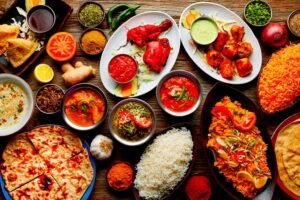
Indian food culture is one of the oldest and most diverse food traditions in the world. It is deeply connected to India’s history, geography, climate, religions, and traditions. Indian cuisine is not just about taste—it represents hospitality, family values, festivals, and cultural identity.
North Indian Food
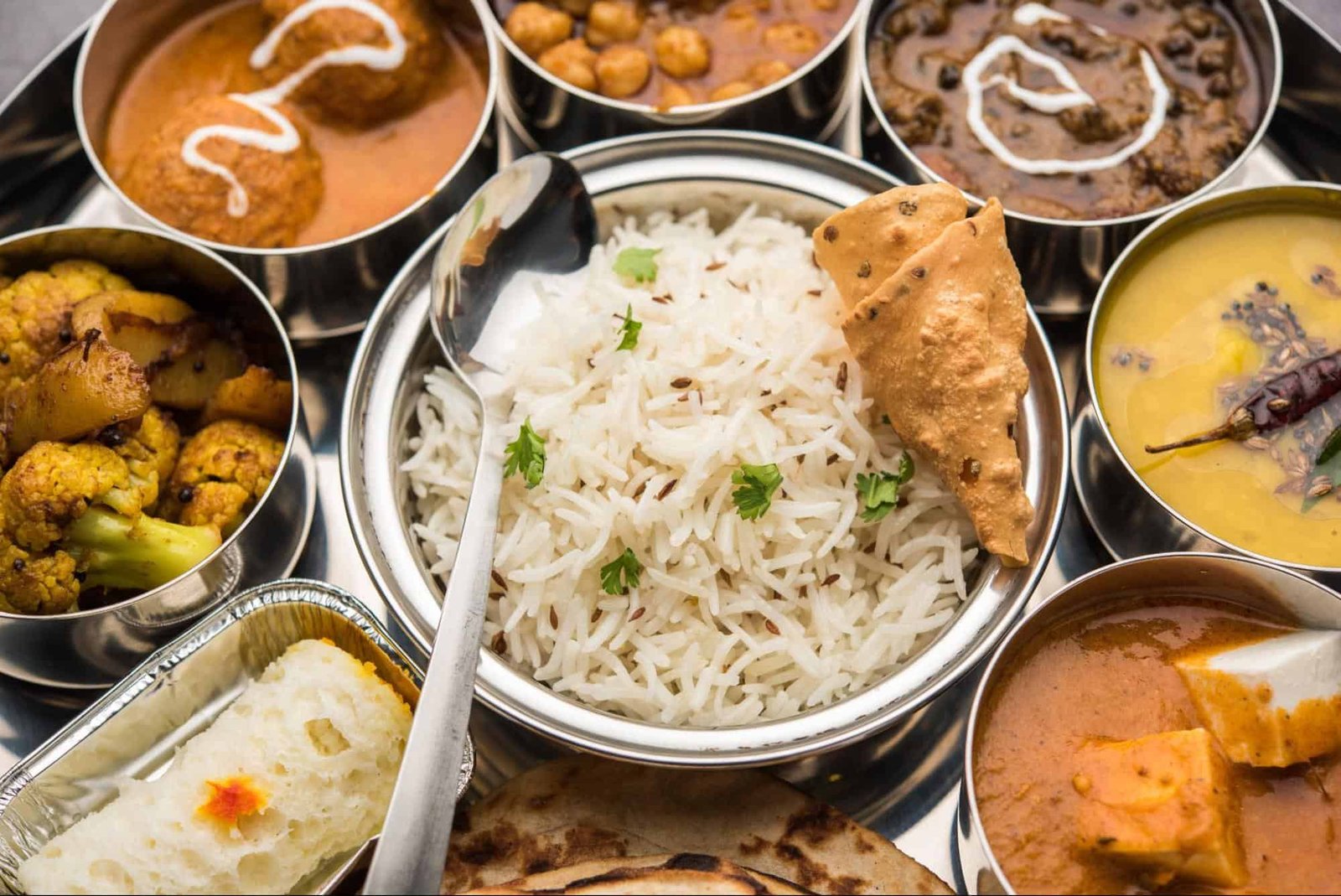
North Indian cuisine is known for wheat-based foods like roti and naan, along with rich and creamy gravies. Popular dishes include butter chicken, paneer butter masala, dal makhani, chole bhature, and rajma chawal. The cuisine makes generous use of spices like garam masala, cumin, coriander, and cardamom to create bold and aromatic flavors. Dairy products such as ghee, butter, cream, and yogurt play a key role in enhancing taste and texture. North Indian food is widely enjoyed across India and internationally for its comforting, indulgent, and hearty appeal.
South Indian Food
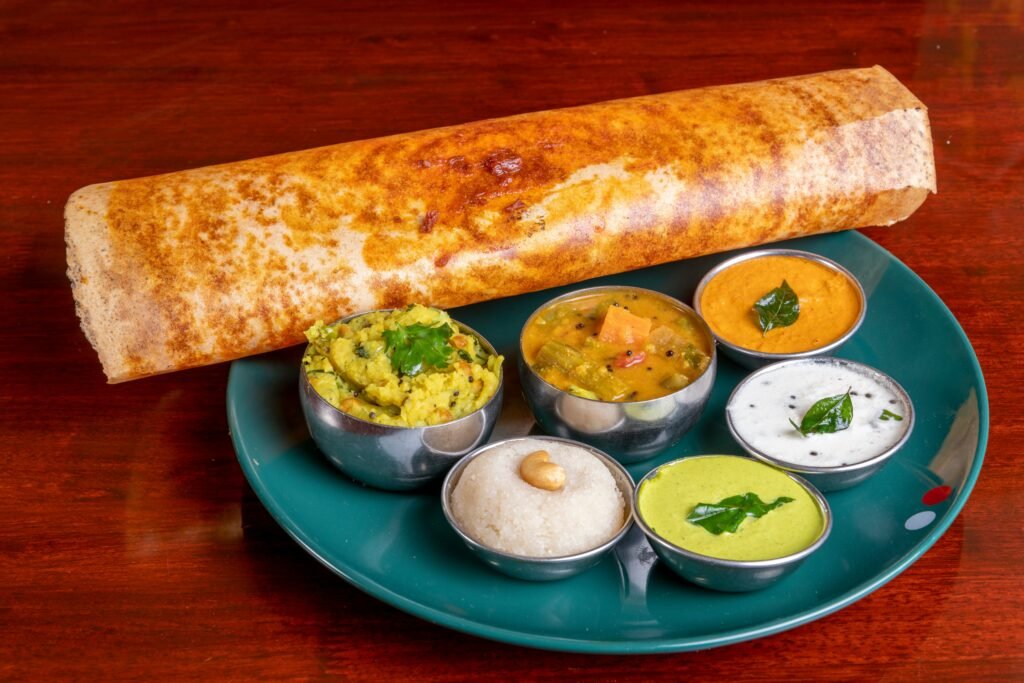
South Indian food is mostly rice-based and includes dishes such as dosa, idli, sambhar, rasam, and coconut curries. The food is light, flavorful, and often served on banana leaves. It makes extensive use of ingredients like rice, lentils, coconut, tamarind, curry leaves, and mustard seeds. Fermentation plays an important role in many dishes, enhancing both flavor and nutritional value. South Indian cuisine is widely appreciated for its balance of taste, health benefits, and regional diversity.
Indian Spices and Flavors
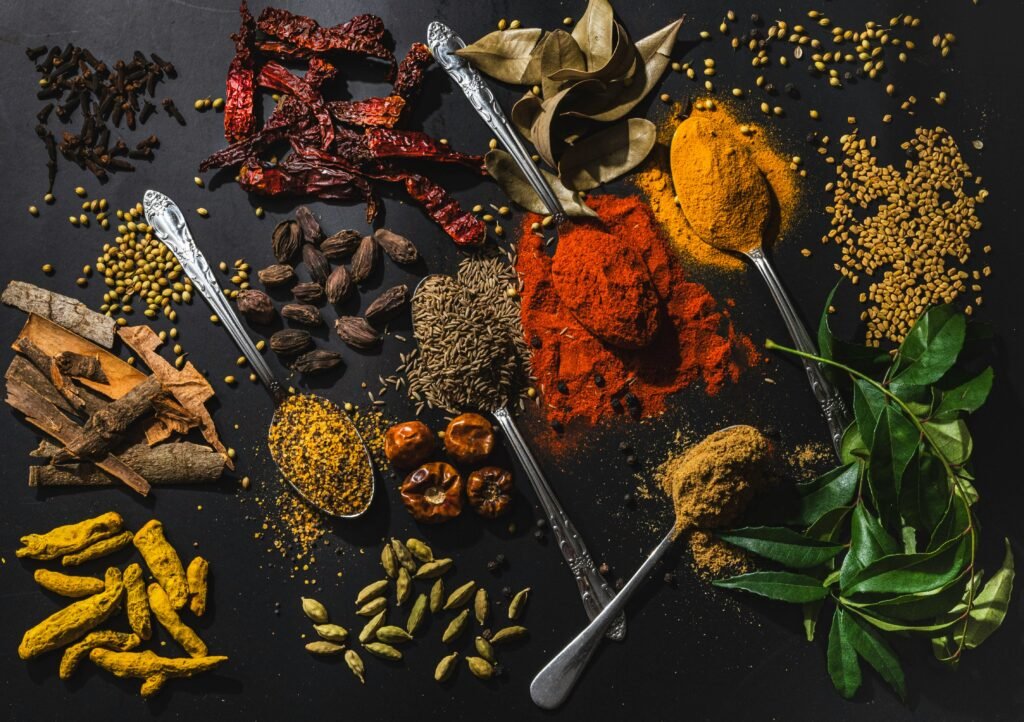
Spices are the heart of Indian cooking. Commonly used spices include turmeric, cumin, coriander, cardamom, cloves, cinnamon, and chili. These spices add aroma, color, taste, and health benefits to Indian food. Indian spice blends like garam masala and sambar powder bring depth and complexity to everyday dishes. Many spices are also valued in traditional Ayurveda for their medicinal and digestive properties. The careful balance of spices varies by region, giving Indian cuisine its rich and diverse flavor profiles.
Indian Street Food
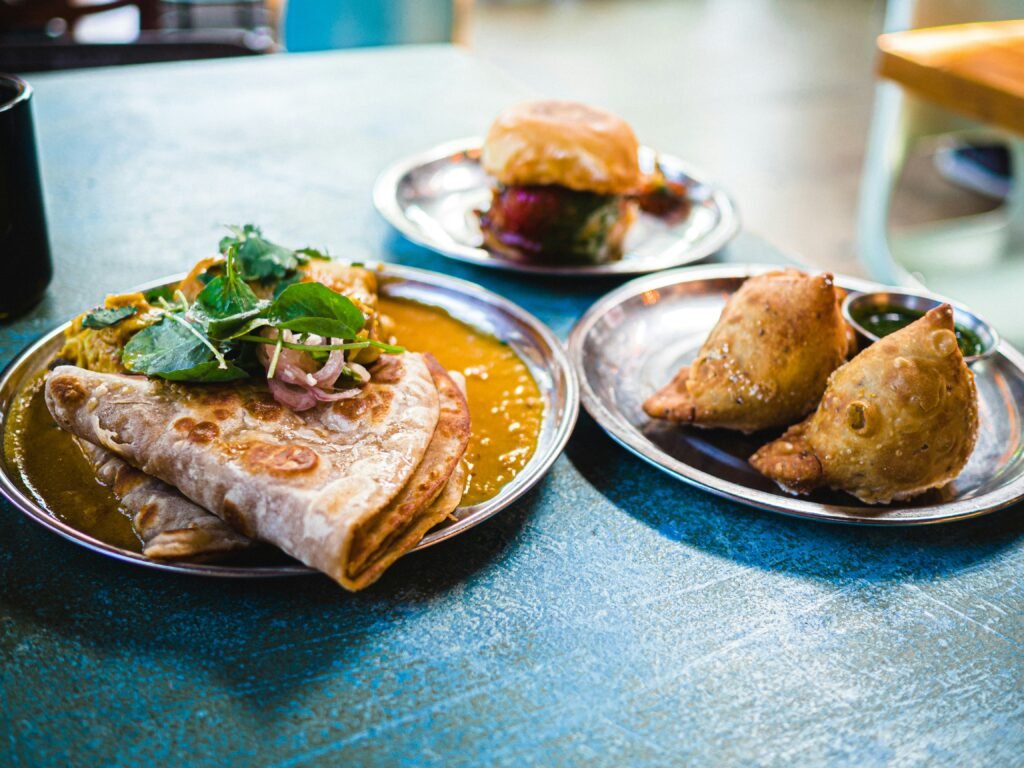
Indian street food is famous all over the world for its bold flavors and variety. Popular street foods include pani puri, samosa, chaat, bhel puri, pakoras, and pav bhaji. Street food reflects the vibrant and lively culture of India. These snacks are often prepared fresh in front of customers, adding to their appeal and authenticity. Street food is enjoyed by people of all ages and backgrounds, making it an important part of everyday life in India. The combination of spices, textures, and tangy flavors makes Indian street food truly unforgettable.
Traditional Indian Meals
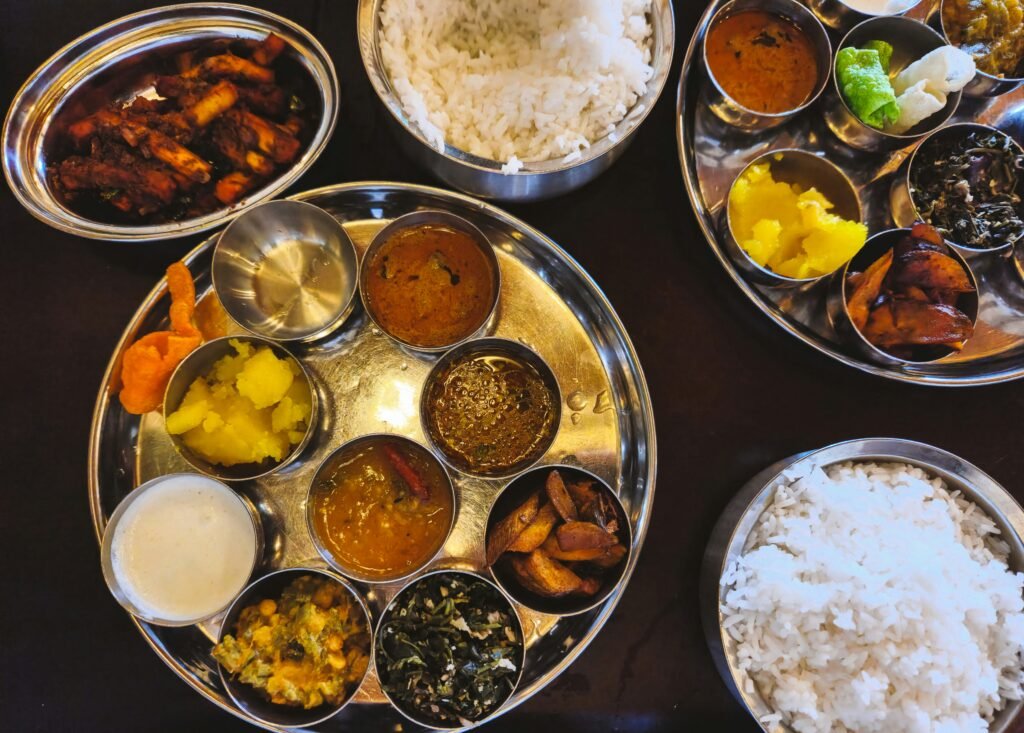
A traditional Indian meal is often served as a thali, which includes rice, roti, dal, vegetables, curry, curd, pickle, and dessert. Eating together is an important part of Indian culture and strengthens family bonds. The thali is designed to offer a balanced mix of flavors such as sweet, sour, spicy, and savory. Meals are commonly enjoyed fresh and prepared according to regional traditions and seasonal ingredients. Traditional Indian dining emphasizes sharing, hospitality, and respect for food.
Festivals and Food
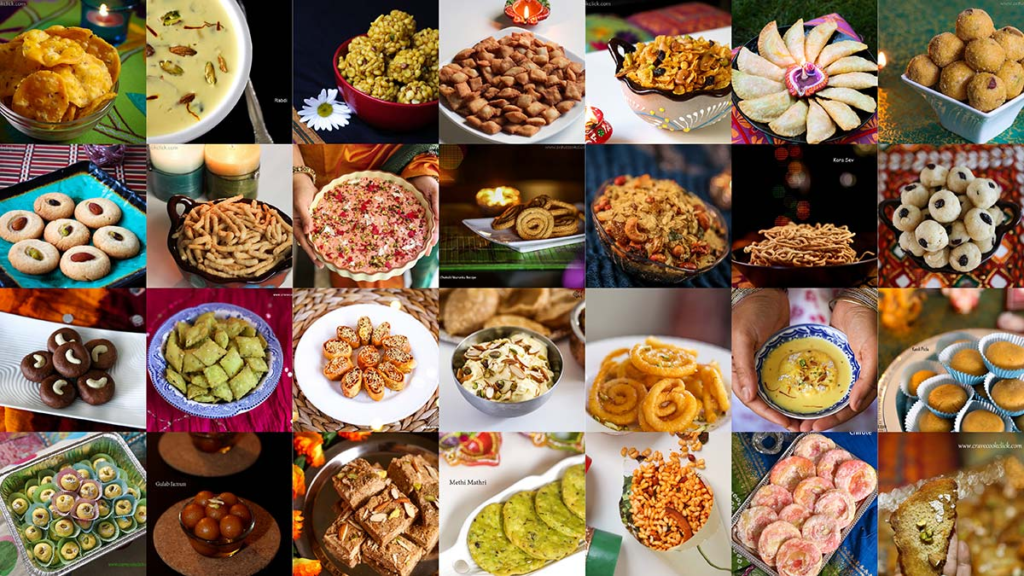
Food plays a major role in Indian festivals and celebrations. Special dishes are prepared during festivals like Diwali, Pongal, Holi, and Eid, symbolizing joy, sharing, and gratitude. Indian festivals are incomplete without food. Every celebration in India is marked by traditional dishes, sweets, and special meals that reflect regional culture, religious beliefs, and family traditions.
Conclusion
Indian food culture is a celebration of diversity, tradition, and taste. From simple home-cooked meals to grand festive feasts, Indian cuisine continues to attract people from all over the world with its rich flavors and cultural significance.
Visit our Other Blogs on Japanese and Korean culture
Understanding Korean Culture and Traditions
Exploring the Rich Tapestry of Japanese Culture: Food, Fashion, and Lifestyle
