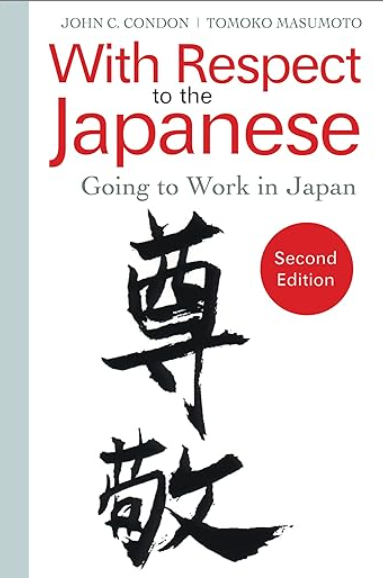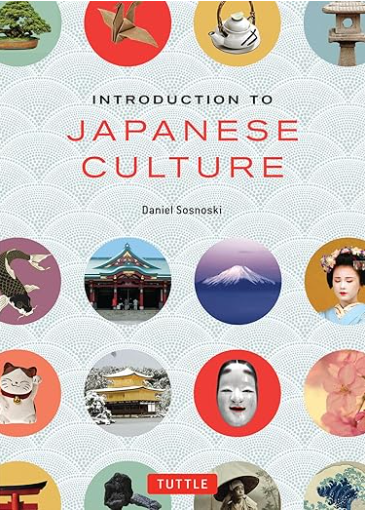
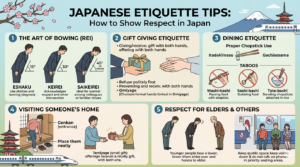
Japan values respect above everything else. Manners shape daily life there. Japanese etiquette applies everywhere. It covers greetings, dining, and public behaviour. In fact, every small action carries deep meaning. People bow instead of shaking hands. They also remove shoes before entering homes. In short, respect drives every part of Japanese culture.
Japanese Etiquette: Bowing as a Greeting
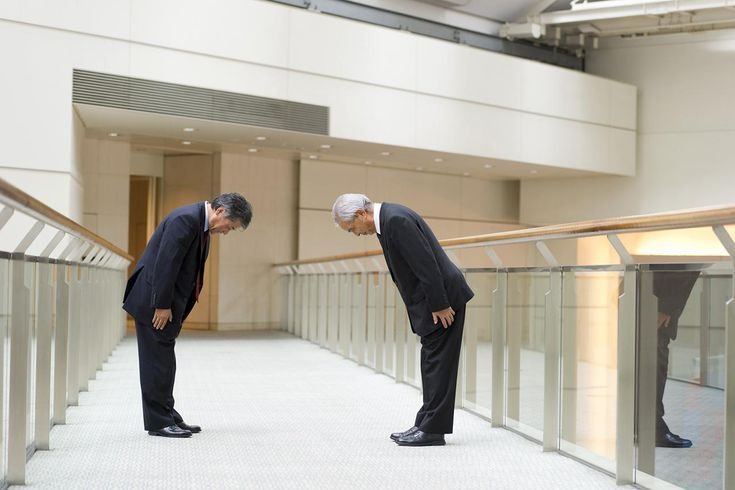
In Japan, people bow instead of shaking hands. It is a sign of respect. The bow angle depends on the situation. A small bow is used for casual greetings. A deeper bow shows gratitude or apology. For example, you bow deeper to a senior person. Therefore, always pay attention to the context. It makes a big difference in Japan.
Japanese Etiquette: Removing Shoes Indoors
People remove shoes before entering homes in Japan. The same rule applies to temples and some restaurants. This keeps indoor spaces clean and tidy. In addition, it shows respect for the space. Hosts provide slippers for guests to wear inside. Therefore, always look for a shoe rack at the entrance. It signals that shoes must come off.
Japanese Etiquette: Table Manners
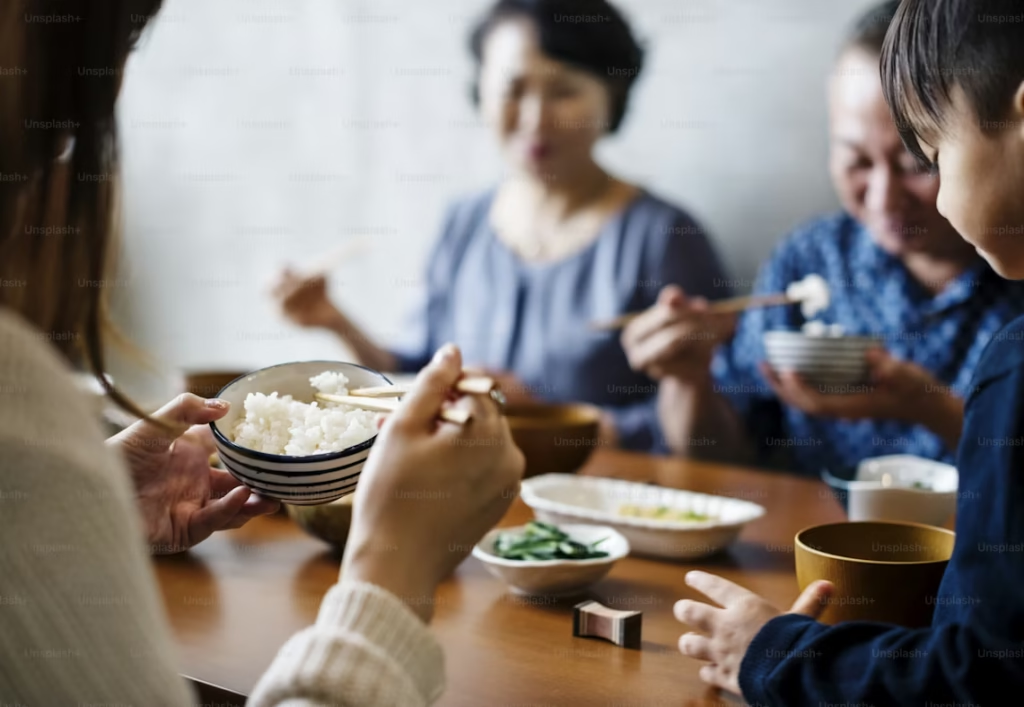
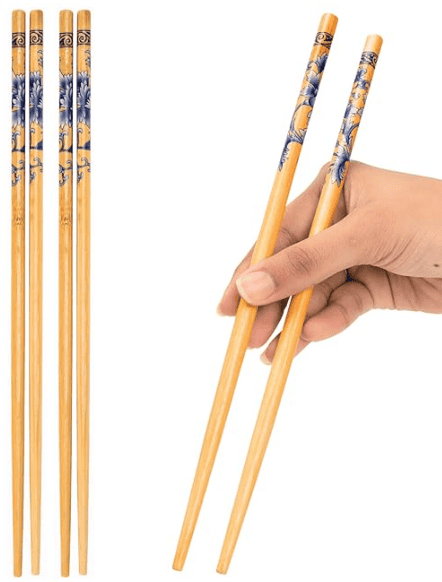
Japanese dining follows clear and simple rules. First, never stick chopsticks upright in rice. This relates to funeral rituals in Japan. Also, never pass food chopstick to chopstick. It carries a very negative meaning. Before eating, say “Itadakimasu“ out loud. After finishing, say “Gochisousama“ to give thanks. Therefore, use these words at every meal. They honour both the food and the cook.
Eating While Walking is Frowned Upon
In Japan, most people avoid eating or drinking while walking in public. Japanese culture encourages mindfulness and respect for shared spaces, so people prefer to enjoy their meals in a designated spot — whether at a restaurant, a bench, or a food stall area. Even at busy street food markets, locals stop and eat in one place before moving on. As a visitor, following this simple habit shows genuine respect for the local culture.
Gift-Giving Etiquette
In Japan, giving gifts is a thoughtful and ceremonious act. Gifts are typically wrapped neatly, as presentation matters just as much as the gift itself. It is customary to present and receive gifts with both hands as a sign of respect. Don’t be surprised if the recipient doesn’t open the gift immediately — setting it aside to open later is considered polite, as opening it in front of the giver can be seen as greedy. Also, avoid gifting items in sets of four, as the number four (shi) is associated with death in Japanese culture.
Japanese Etiquette: Respect for Personal Space

Japanese people value personal space greatly. They avoid touching strangers at all times. Therefore, keep a respectful distance during conversations. Do not hug someone you just met. For example, a simple bow works better than a hug. Loud behaviour is frowned upon in public spaces. Stay calm and composed at all times. As a result, people maintain social harmony every single day.
Japanese Etiquette: Public Transport Etiquette
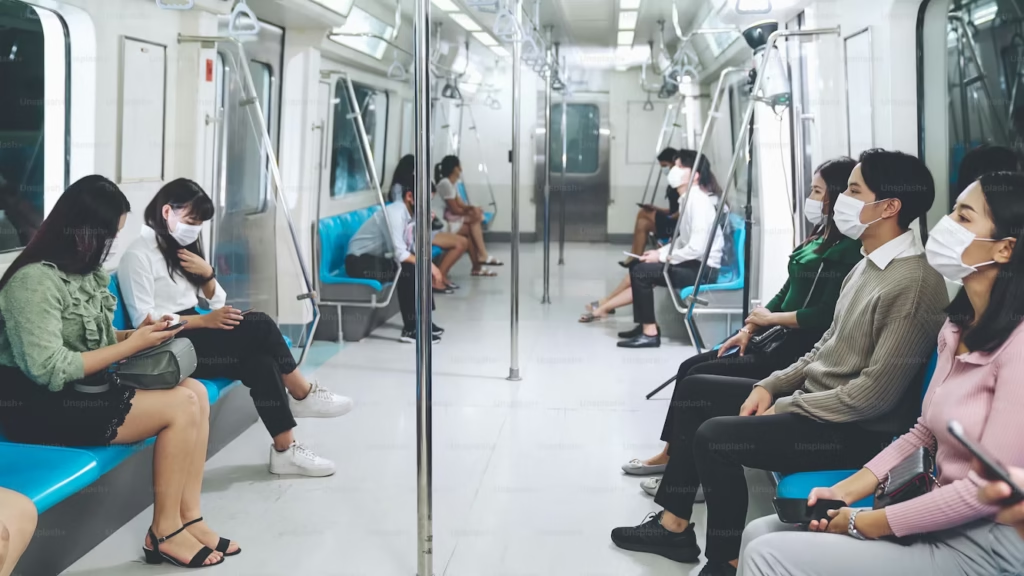
Japan’s trains and buses are very quiet. Passengers avoid loud phone calls at all times. For example, most people stay completely silent on trains. They keep conversations short and soft. In addition, passengers offer seats to elderly people. They also give seats to pregnant women and those in need. Therefore, always stay aware of those around you. Silence shows deep respect for fellow passengers.
Business Card (Meishi) Etiquette
Meishi (名刺) literally means “name card” in Japanese. It is much more than just a card — it represents the person’s professional identity and status.
Presenting Your Card
- Always offer your card with both hands
- The text should face the recipient so they can read it immediately
- Give a slight bow while presenting it
- Never slide it across the table casually
Receiving a Card
- Accept with both hands
- Take a moment to genuinely read it — this shows respect
- Place it carefully on the table in front of you during a meeting
- Never stuff it into your pocket or bag immediately
No Tipping Culture in Japan
In Japan, tipping is not just unnecessary — it can actually be considered rude or even offensive. Japanese service workers take great pride in delivering excellent service as part of their job, and offering a tip may imply that they need extra money or that their service was unexpectedly good. Whether at a restaurant, hotel, or taxi, the price you pay is considered fair and complete. Instead of tipping, a sincere “Arigatou gozaimasu” (thank you very much) with a polite bow is the most appreciated gesture you can offer.
As a Result
Japanese etiquette teaches powerful life lessons. In fact, every habit reflects deep respect for others. Moreover, these customs build a polite and peaceful society. They promote cleanliness, discipline, and kindness. Most importantly, visitors who learn these habits connect better with Japanese culture. Therefore, practice these simple rules during your visit. In conclusion, respect defines the Japanese way of life.
Frequently Asked Questions (FAQ)
How do people greet each other in Japan?
People in Japan bow instead of shaking hands. They use a slight bow for informal greetings, and a deeper bow to express gratitude or an apology.
Should I remove my shoes when entering a home or temple?
You must remove your shoes before entering homes, temples, and some restaurants to keep indoor spaces clean. Hosts provide guests with slippers to wear inside.
Are there any rules about using chopsticks at the dining table?
Yes — you should not place chopsticks upright in rice, and you should not transfer food directly from one pair of chopsticks to another. These actions are considered disrespectful.
What should I say before and after eating a meal in Japan?
Say “Itadakimasu” before eating and “Gochisousama” after finishing the meal. These expressions convey gratitude for the food and the people who prepared it.
How should I behave on public transport in Japan?
Commuters keep Japan’s trains and buses quiet and orderly. You should avoid speaking loudly on phones, and offer seats to elderly individuals, pregnant women, and those in need.
How important is personal space in Japanese culture?
Very important. People value their privacy and avoid unwanted physical contact, especially with strangers. Keeping a respectful distance and behaving calmly in public helps maintain social harmony.
Explore additional blogs on Japanese culture and Tourism
One Week Leisure Tour in Japan: Complete Travel Guide
Explore Japan: Best Cities, Historic Culture & Stunning Sights
Japanese Productivity Secrets: 8 Ways to Stop Being Lazy
Top 6 Places to Visit in Japan: Ultimate City-by-City Travel Guide (2026)
Buy at Amazon