
Japanese Food Habits Explained: What Makes Japan One of the Healthiest Nations
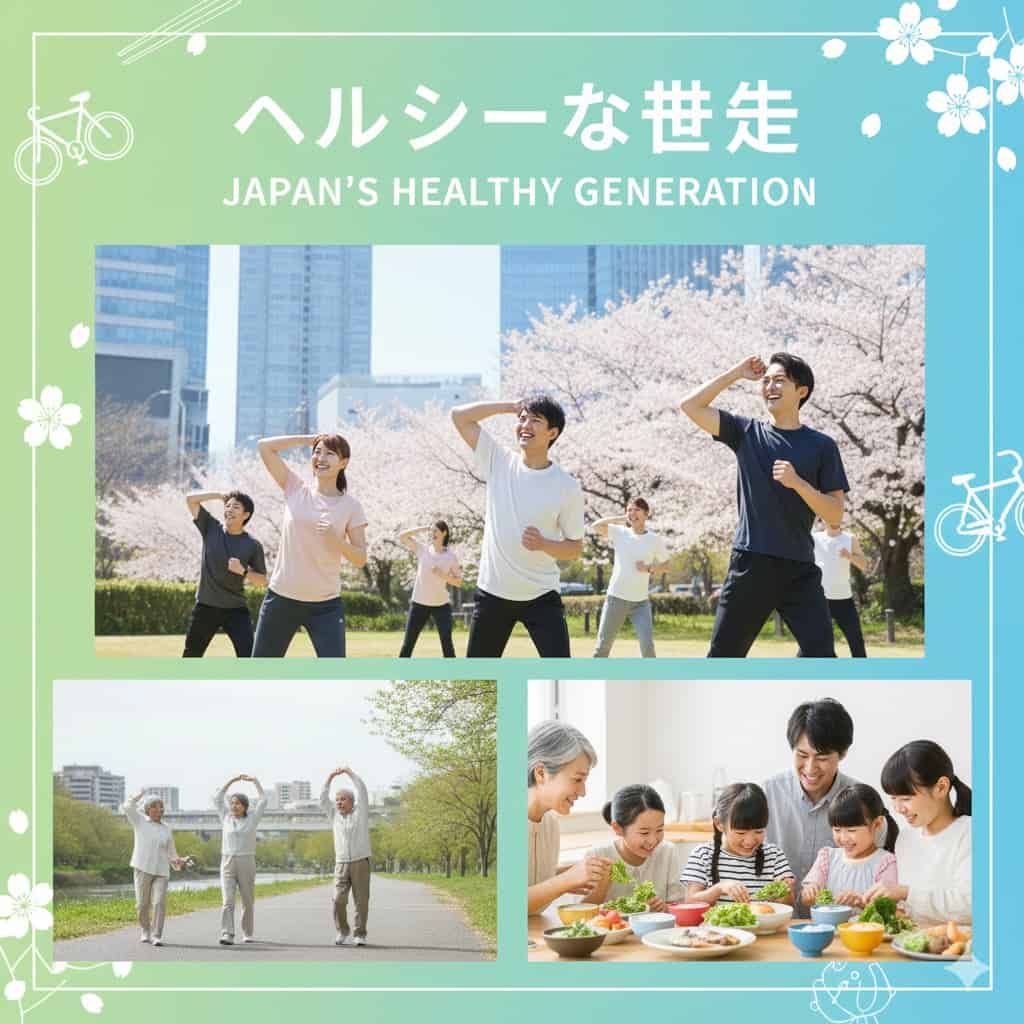
Traditional Japanese chefs emphasize balance, simplicity, and natural flavors in every dish they prepare. Meals typically include rice, fish, seasonal vegetables, seaweed, and soy products, lightly seasoned to preserve freshness. Japanese food habits are considered among the healthiest, emphasizing fresh ingredients, balanced portions, variety, and mindful eating.
Why Japanese People Follow the Healthiest Food Habits
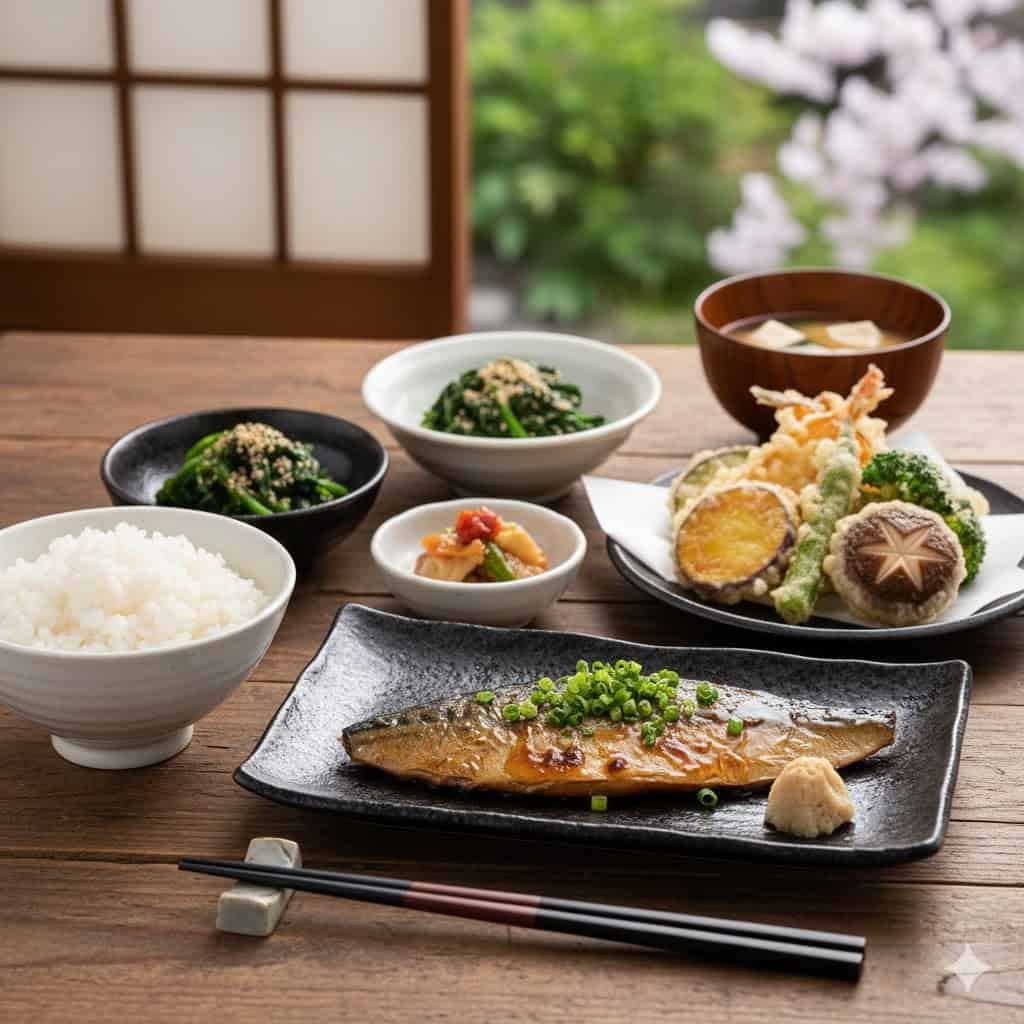
Japanese eating practices promote health through balanced meals that include rice, fish, vegetables, and soy products. The healthiness of Japanese food habits comes from their emphasis on fresh ingredients, portion control, and minimal use of oil and sugar. As a result, Japanese people create meals that are diverse, flavorful, and balanced
Japanese Eating Habits: Daily Practices for Health and Longevity
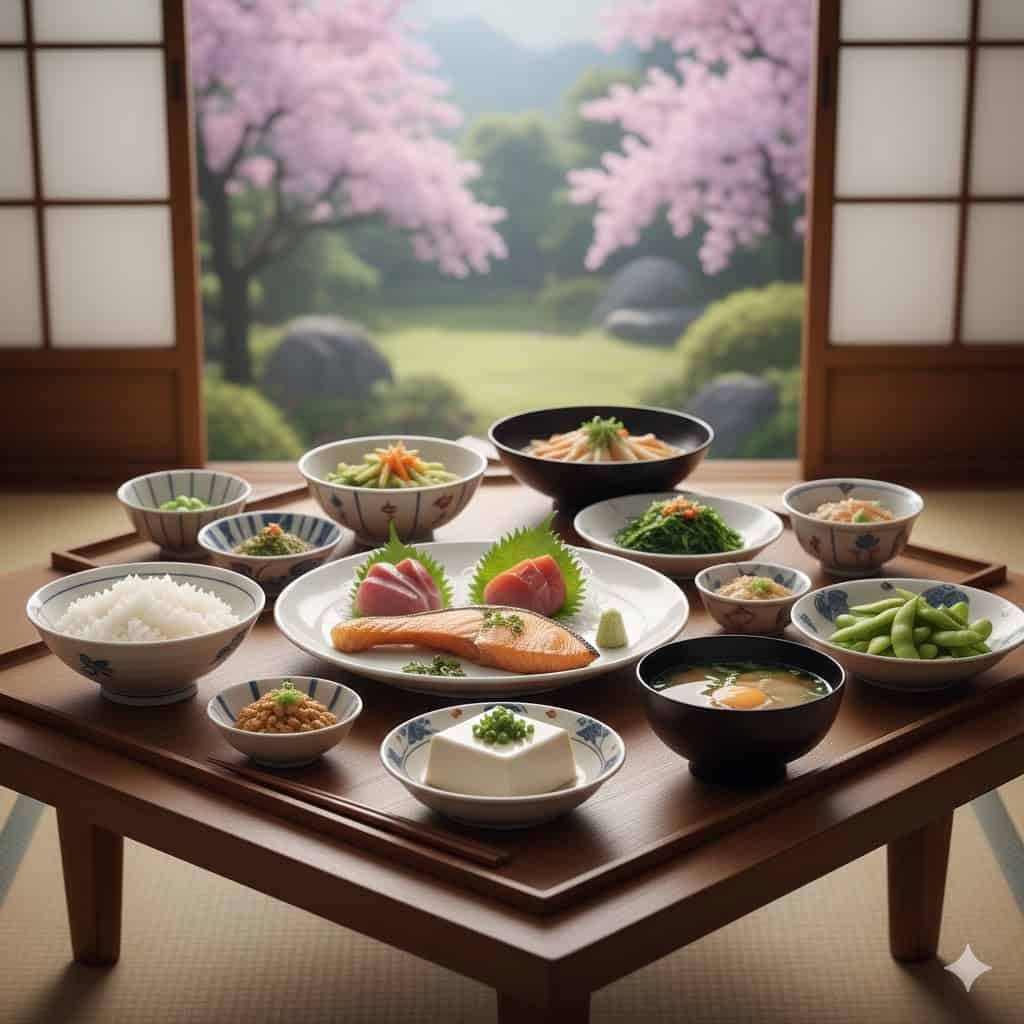
Across Japan, people emphasize variety, fresh ingredients, and moderation in their meals, from breakfast to dinner. Meals feature rice, fish, vegetables, and small portions, often following Hara Hachi Bu (eating until 80% full). Japanese meals are low in oil and sugar. This diversity of dishes supports heart health and weight management — and it’s one reason Japanese people live so long.
Role of Rice, Fish, and Vegetables in Japanese Meals
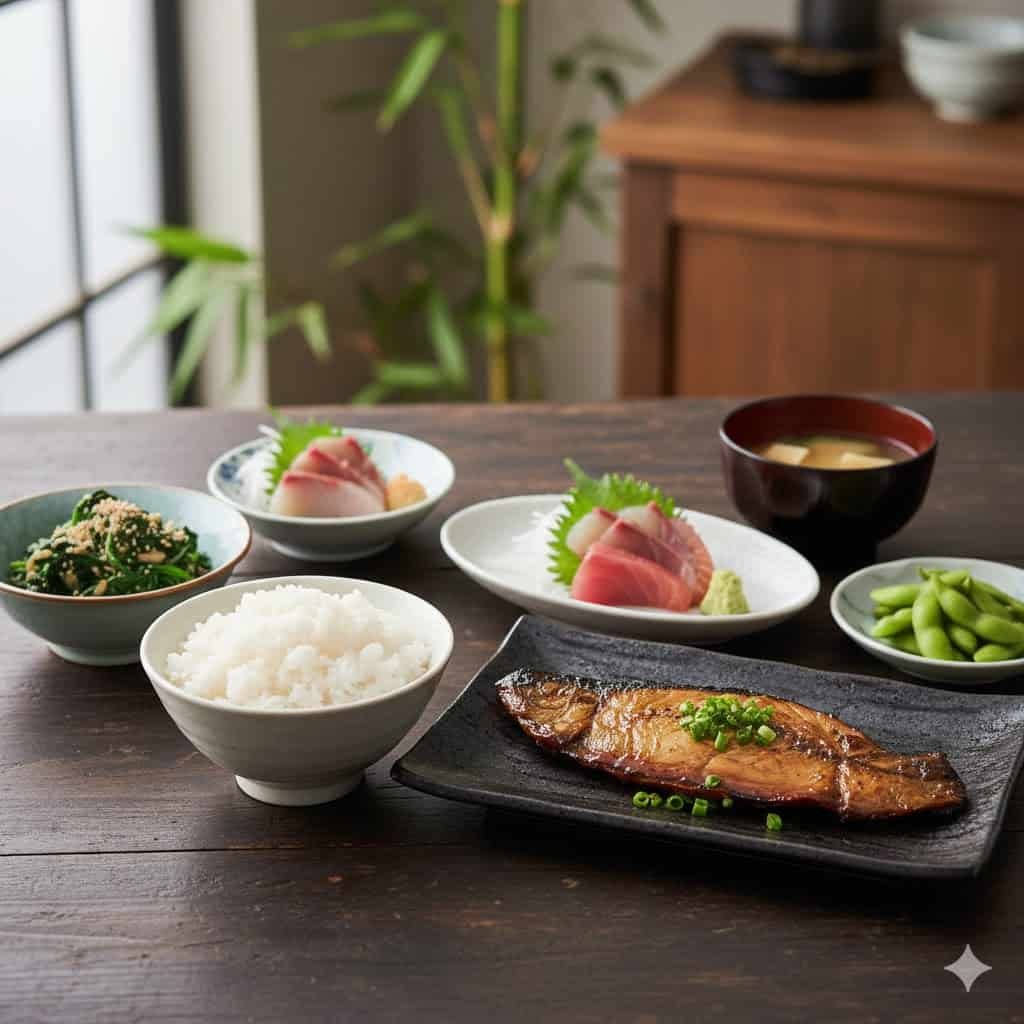
Rice, fish, and vegetables form the heart of Japanese meals—nutritious, balanced, and full of natural flavors. Japanese meals rely on rice for energy, fish for protein, and vegetables for vitamins and fiber. Healthy, balanced, and delicious—rice, fish, and vegetables make Japanese cuisine a wellness secret.
Why Chopsticks Play an Important Role in Japanese Cuisine
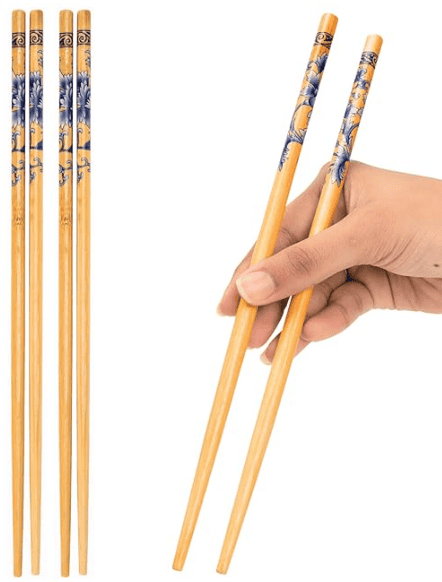
Japanese people use chopsticks because they suit the country’s cultural traditions, food styles, and history. Japanese meals are served in small, bite-sized portions, making chopsticks perfect for eating rice, fish, noodles, tofu, and vegetables. Influenced by Buddhism, using chopsticks shows respect for food and mindful dining. Lightweight, reusable, and hygienic, chopsticks have become an essential part of Japanese cuisine and daily eating habits.
10 Traditional Dishes You Must Try
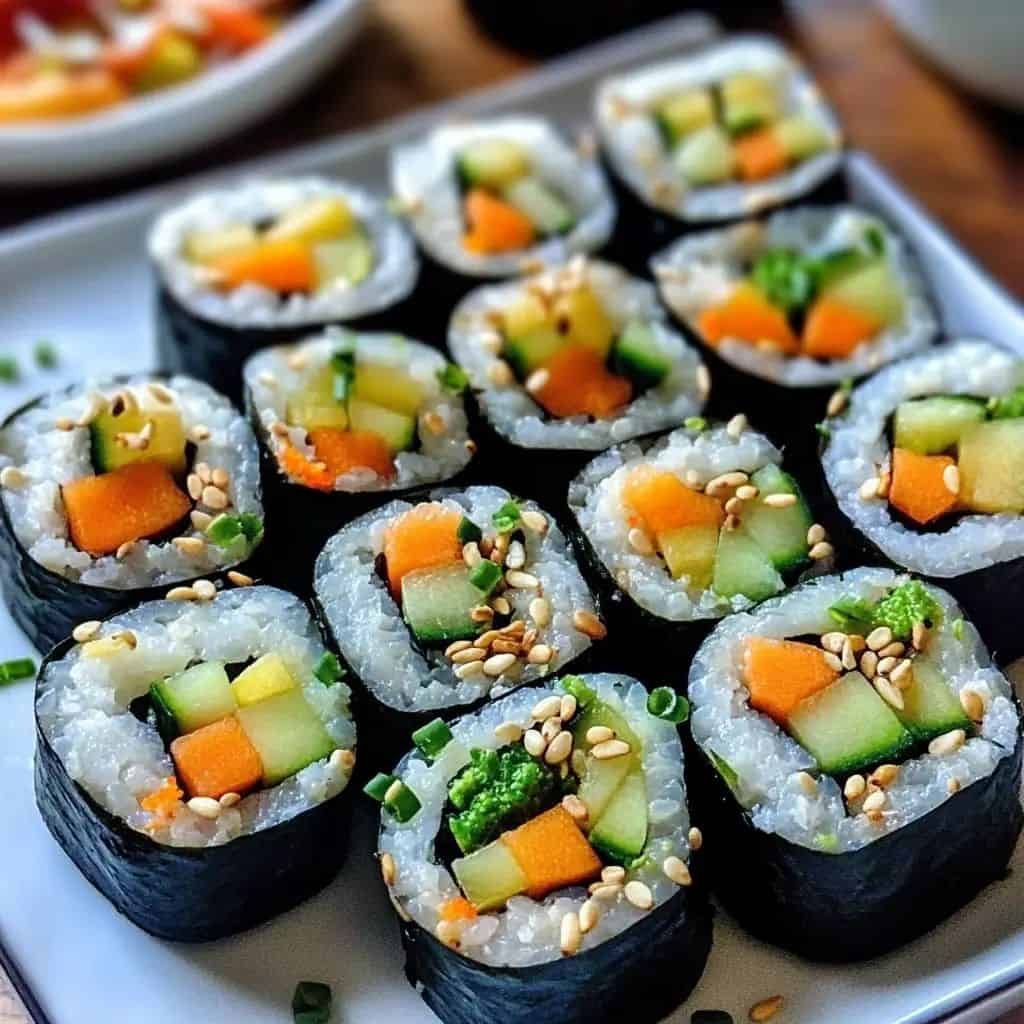
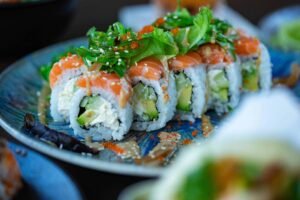
Sushi is a traditional Japanese dish made of vinegared rice combined with fresh ingredients like raw fish, seafood, or vegetables. It can be served as rolls, nigiri (topped rice), or sashimi-style, offering a healthy, flavorful, and visually appealing meal popular worldwide.
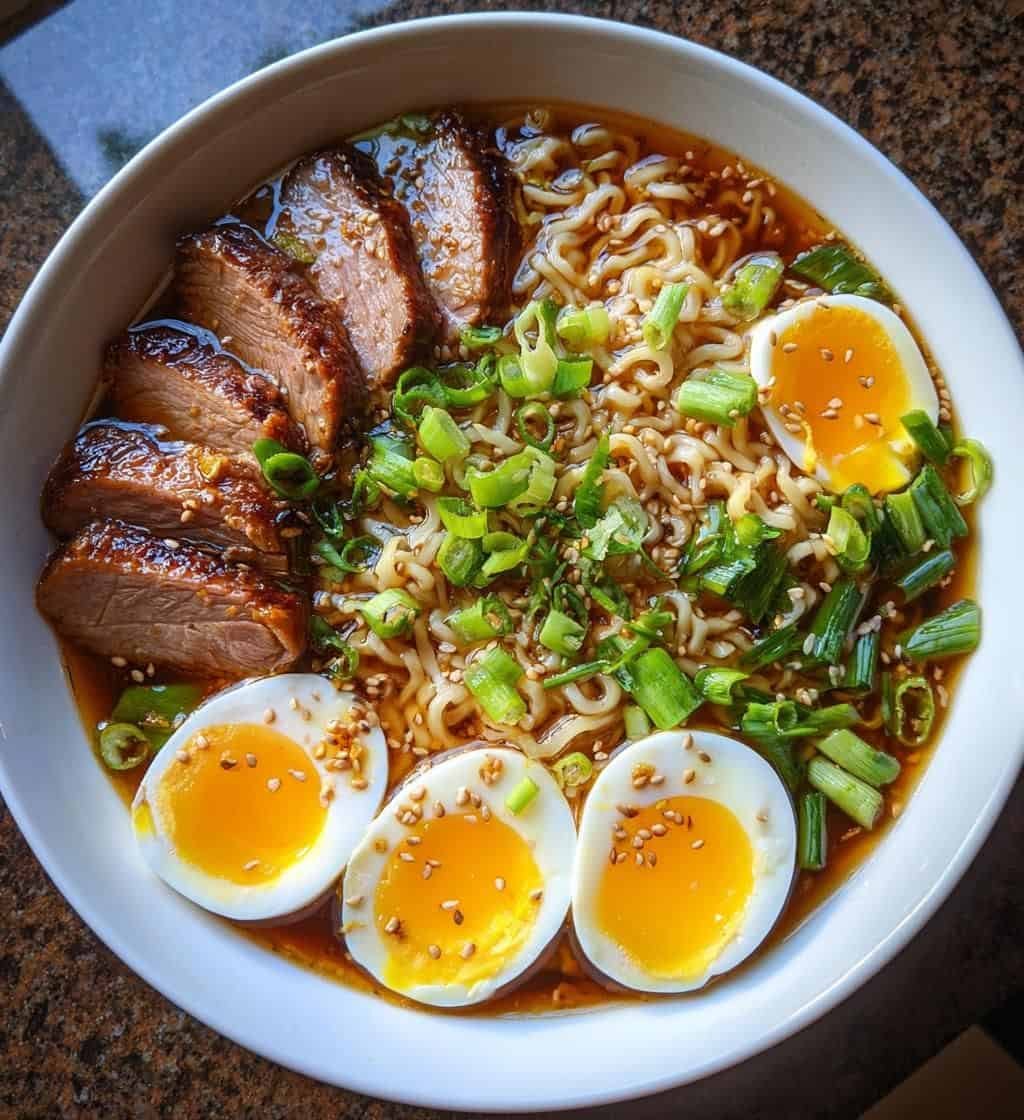
Ramen is a popular Japanese noodle soup made with wheat noodles served in a rich, flavorful broth. It is commonly topped with meat, eggs, vegetables, and seaweed. Different regional styles use soy sauce, miso, or pork-based broths, making ramen a comforting and filling dish.
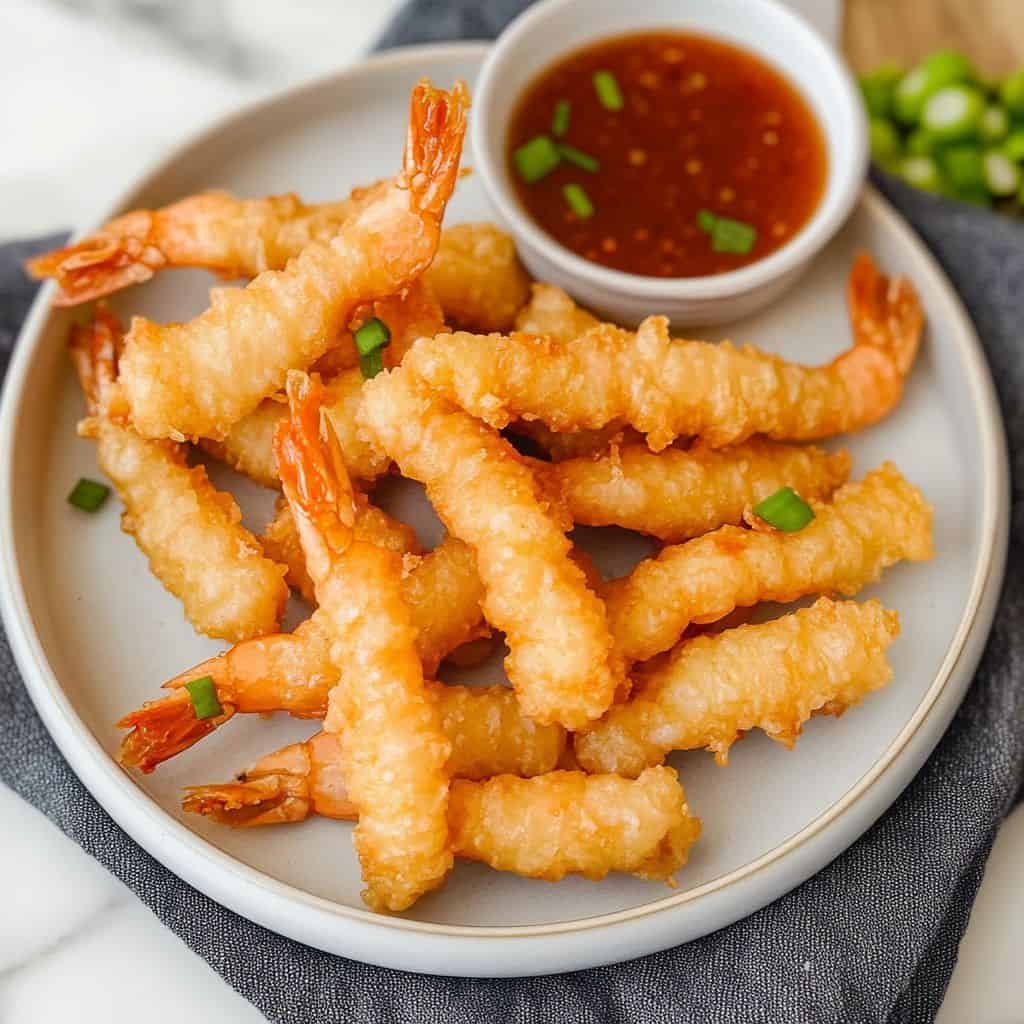
Tempura is a classic Japanese dish made by lightly battering seafood or vegetables and deep-frying them until crisp and golden. The batter is thin, creating a light texture rather than heavy oiliness. Tempura is usually served with dipping sauce or rice and is enjoyed for its delicate flavor.
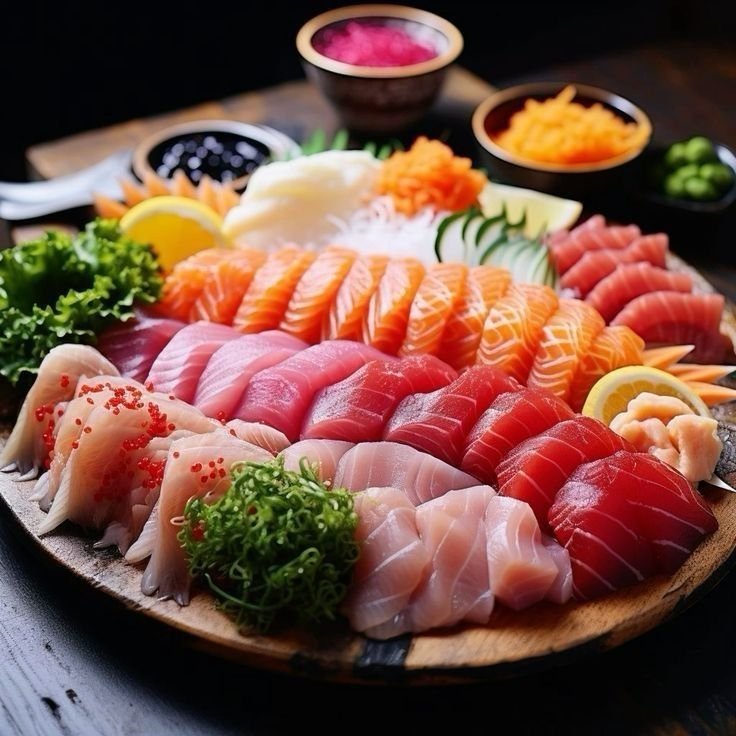
Sashimi is a traditional Japanese dish consisting of thinly sliced, fresh raw fish or seafood. “Chefs serve it without rice, letting the pure, natural flavor shine.” Often accompanied by soy sauce, wasabi, and pickled ginger, sashimi highlights freshness and skilled preparation.
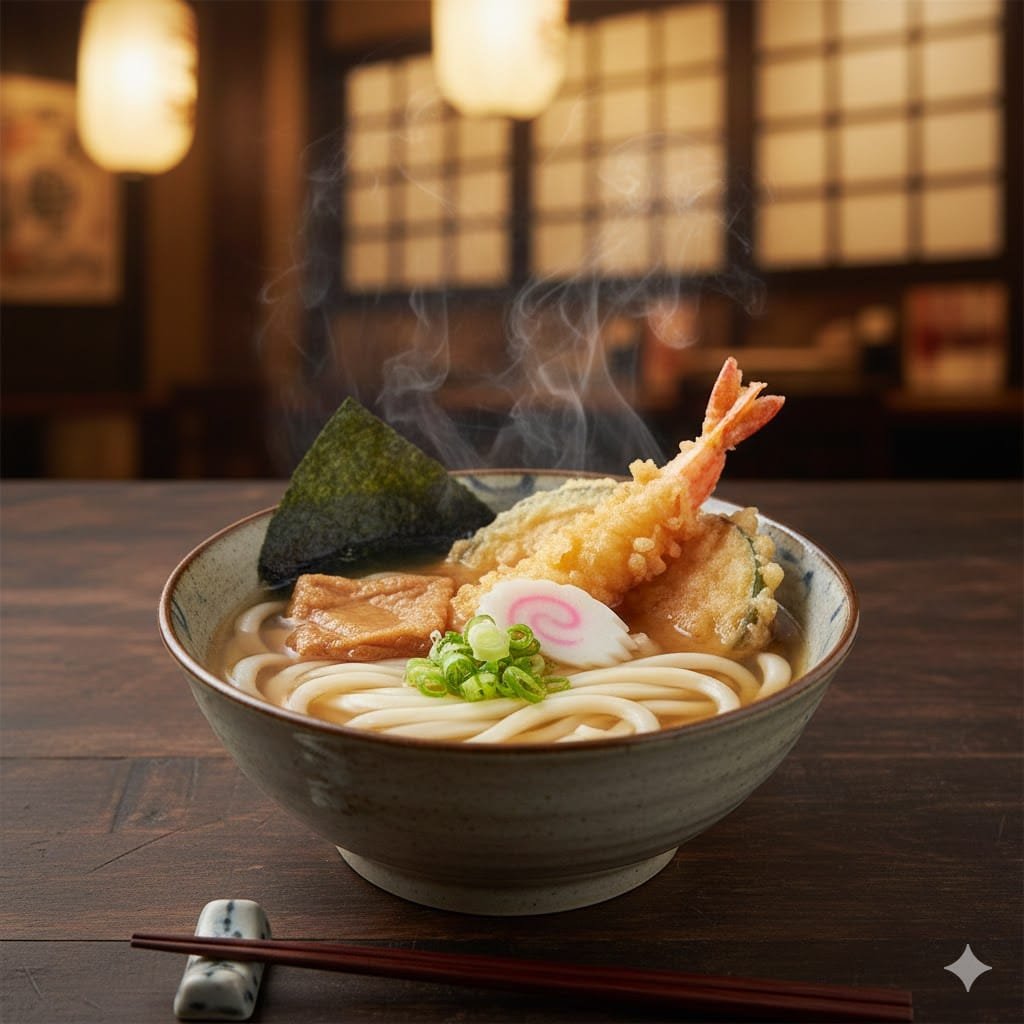
Udon is a traditional Japanese dish made from thick wheat noodles served in a mild, flavorful broth or enjoyed cold. It is commonly topped with vegetables, tempura, tofu, or meat. Known for its soft texture and satisfying taste, udon is a comforting and popular Japanese noodle dish.
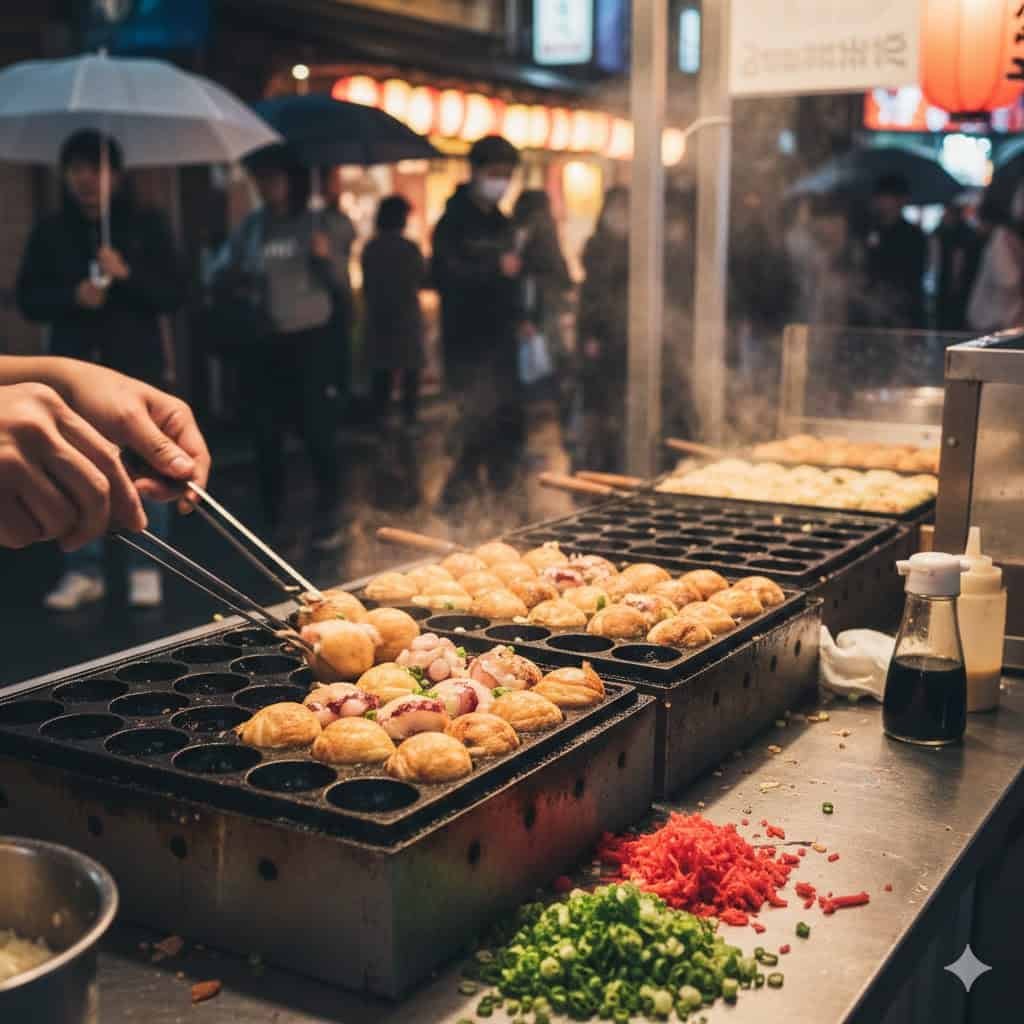
Takoyaki is a popular Japanese street food made from wheat-flour batter filled with octopus, green onions, and pickled ginger. First, cooks prepare the wheat-flour batter and mix in octopus, green onions, and pickled ginger. Next, they top the takoyaki with takoyaki sauce, mayonnaise, bonito flakes, and seaweed. Originating in Osaka, it has become a favorite bite-sized snack across Japan.
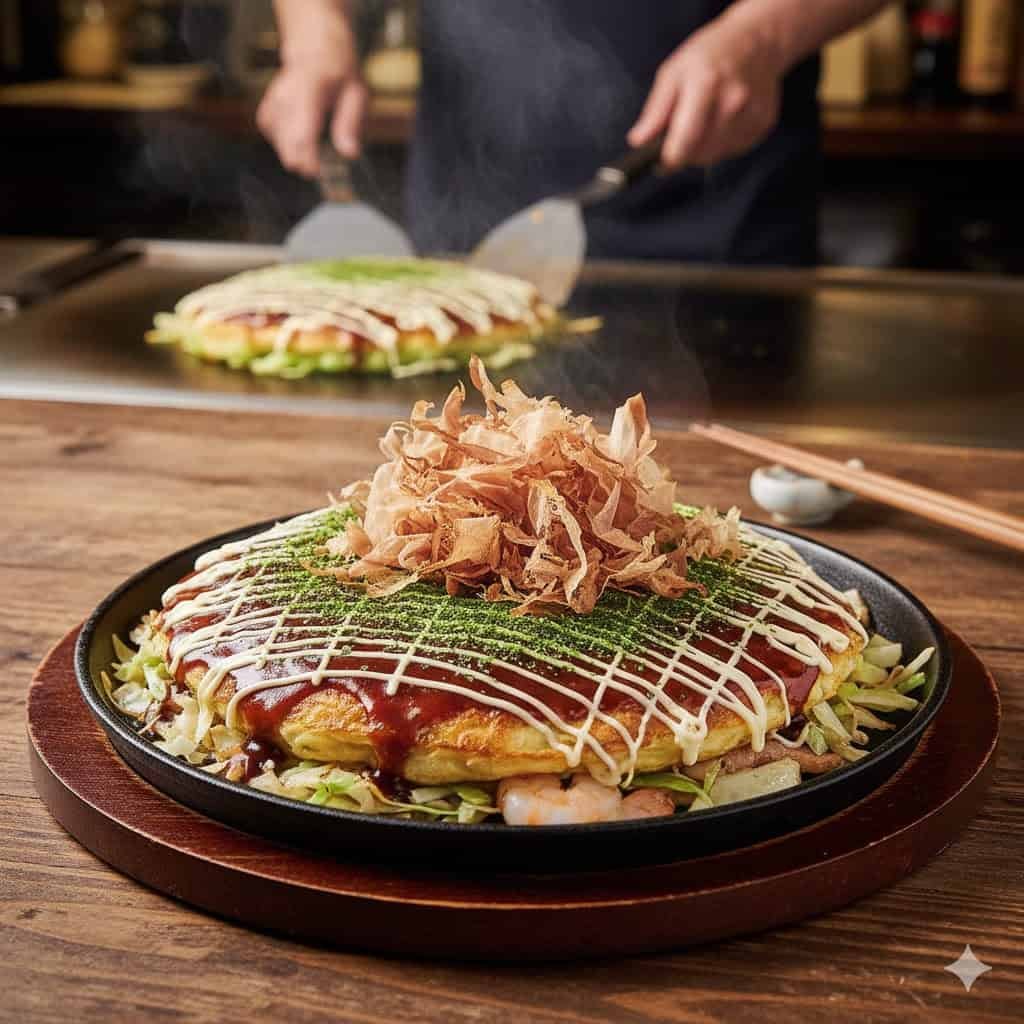
Okonomiyaki is a popular Japanese savory pancake made with chopped cabbage, flour, eggs, and ingredients like meat or seafood. Cooks grill it on a griddle and top it with rich sauces, mayonnaise, and bonito flakes. Often called “Japanese pizza,” it is filling and flavorful.
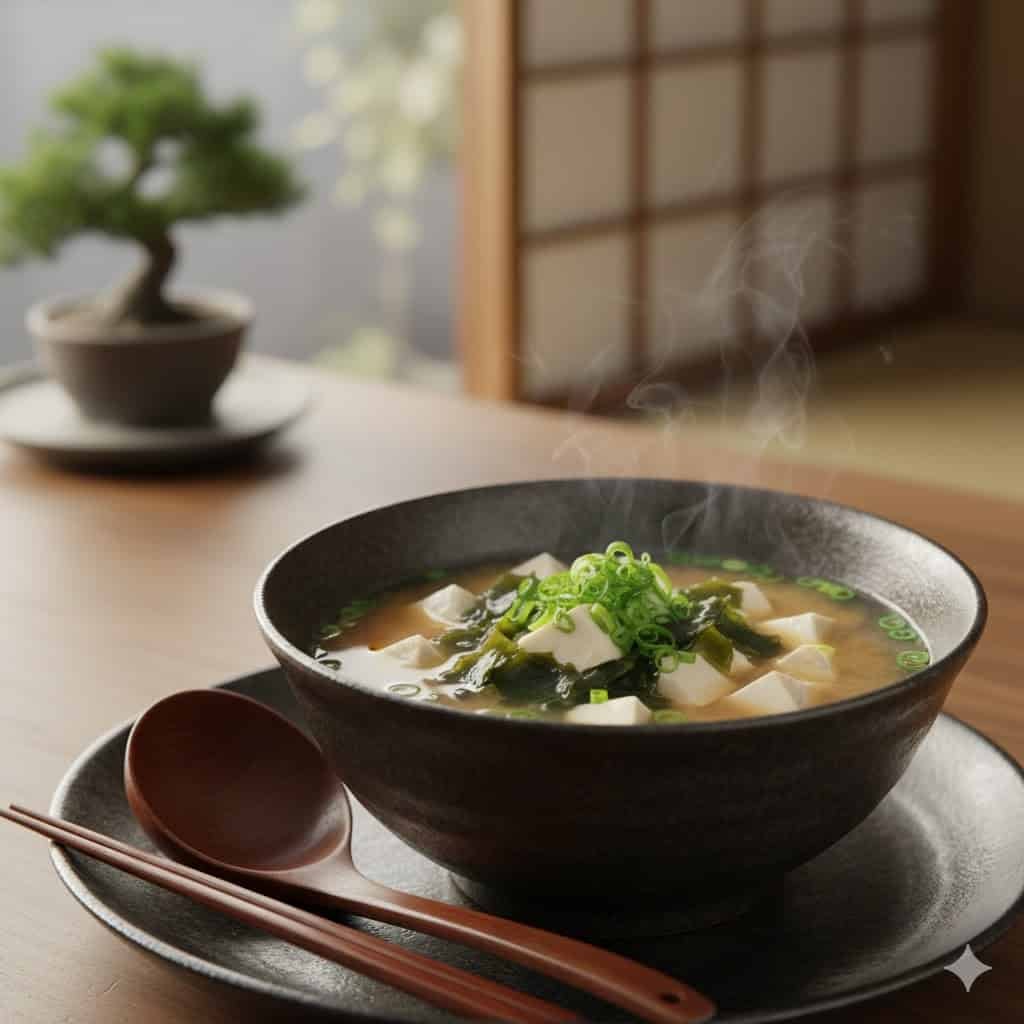
Miso soup is a traditional Japanese soup that combines fermented soybean miso paste with light dashi broth. Cooks often add tofu, wakame seaweed, and green onions. Many people serve miso soup daily and appreciate it for its comforting taste, easy digestion, and nutritional benefits, which make it a staple of Japanese home meals.
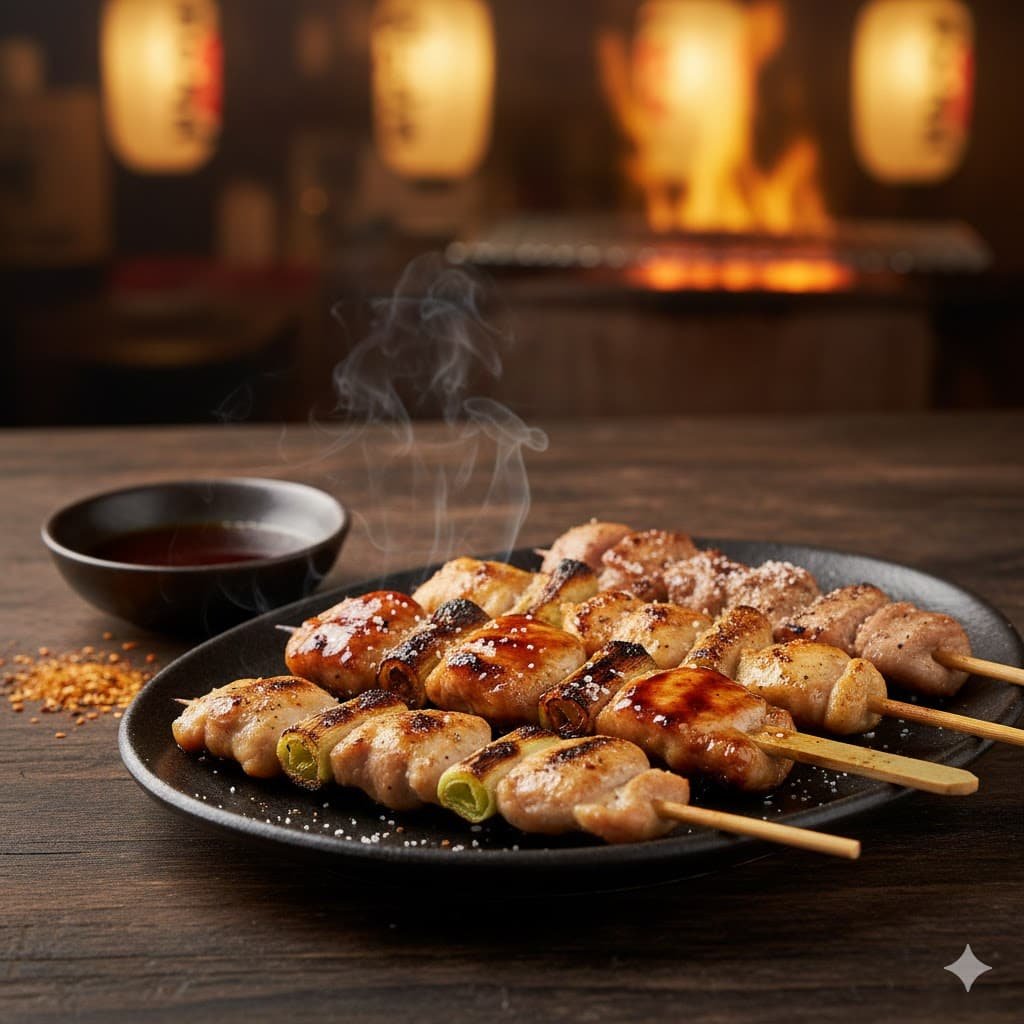
Yakitori is a popular Japanese dish that features bite-sized chicken pieces grilled on skewers over charcoal. Chefs season it simply with salt or brush it with a sweet soy-based sauce. People commonly enjoy yakitori as street food or order it in restaurants for its smoky flavor and tender texture.
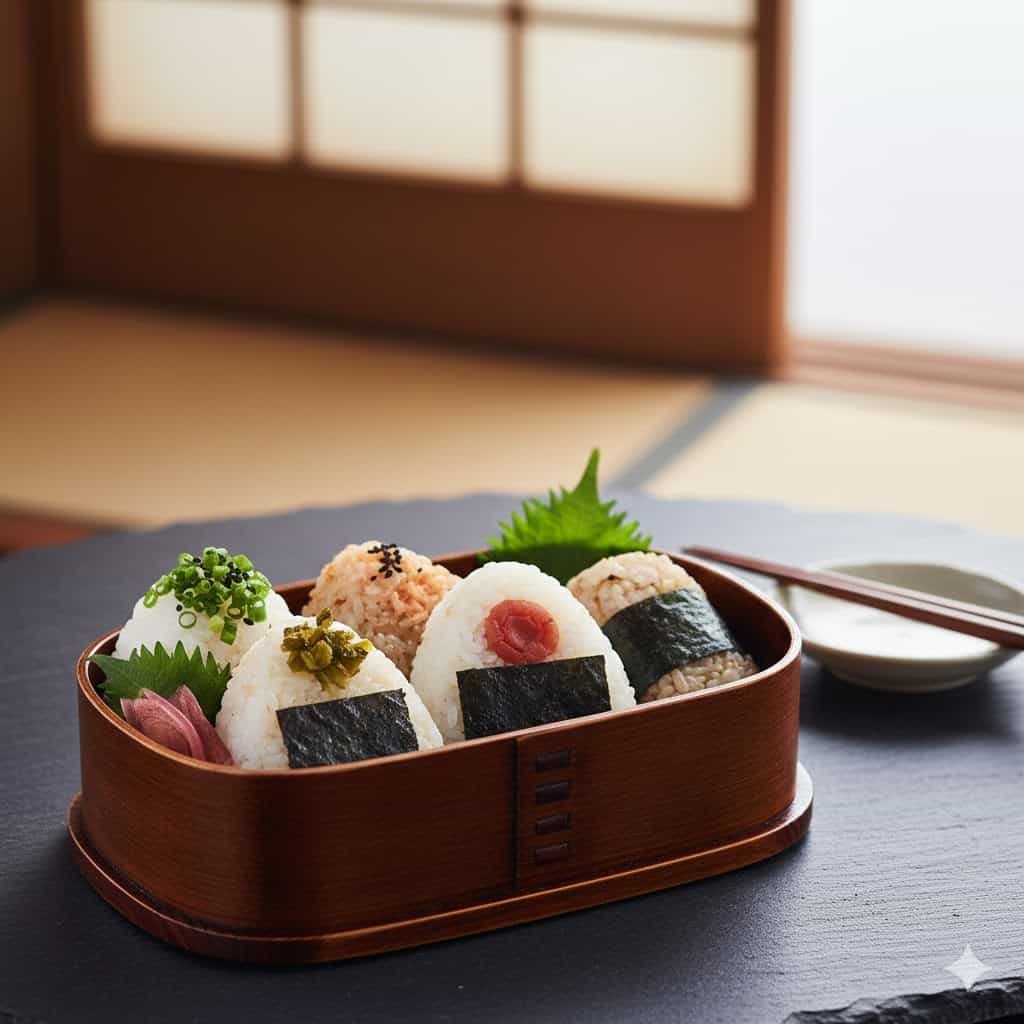
Onigiri uses lightly salted rice to form Japanese rice balls. Cooks wrap the rice in seaweed (nori) and add fillings such as fish, pickles, or other savory ingredients. People enjoy onigiri for their simplicity, portability, and satisfying taste. In Japan, many people eat them as a snack, pack them for lunch, or carry them as a convenient travel meal.
Buy on Amazon


“Japanese food is not just about taste — it’s a harmony of culture, tradition, and the art of simplicity”
Visit our other Blogs on Japan
Discover Japan: Travel Guide to Top Cities, Culture, and Attractions
Discover Japan: The Ultimate Guide to Iconic Cities, Timeless Culture, and Stunning Attractions
Japanese Tea Guide: Matcha, Sencha, and More