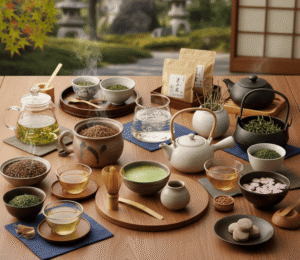
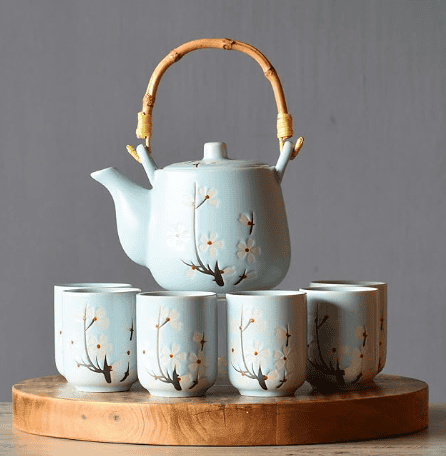
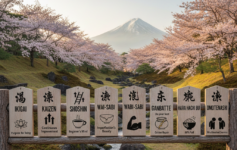
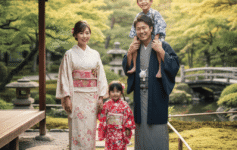
Japanese tea culture emphasizes harmony, mindfulness, and respect for nature. Tea is an essential part of daily life in Japan, enjoyed at home, work, and social gatherings. Green tea is the most common, prepared using careful methods that preserve its freshness and health benefits. From everyday drinking to the traditional tea ceremony, Japanese tea culture reflects simplicity, balance, and inner calm. 🍵🌸🫖
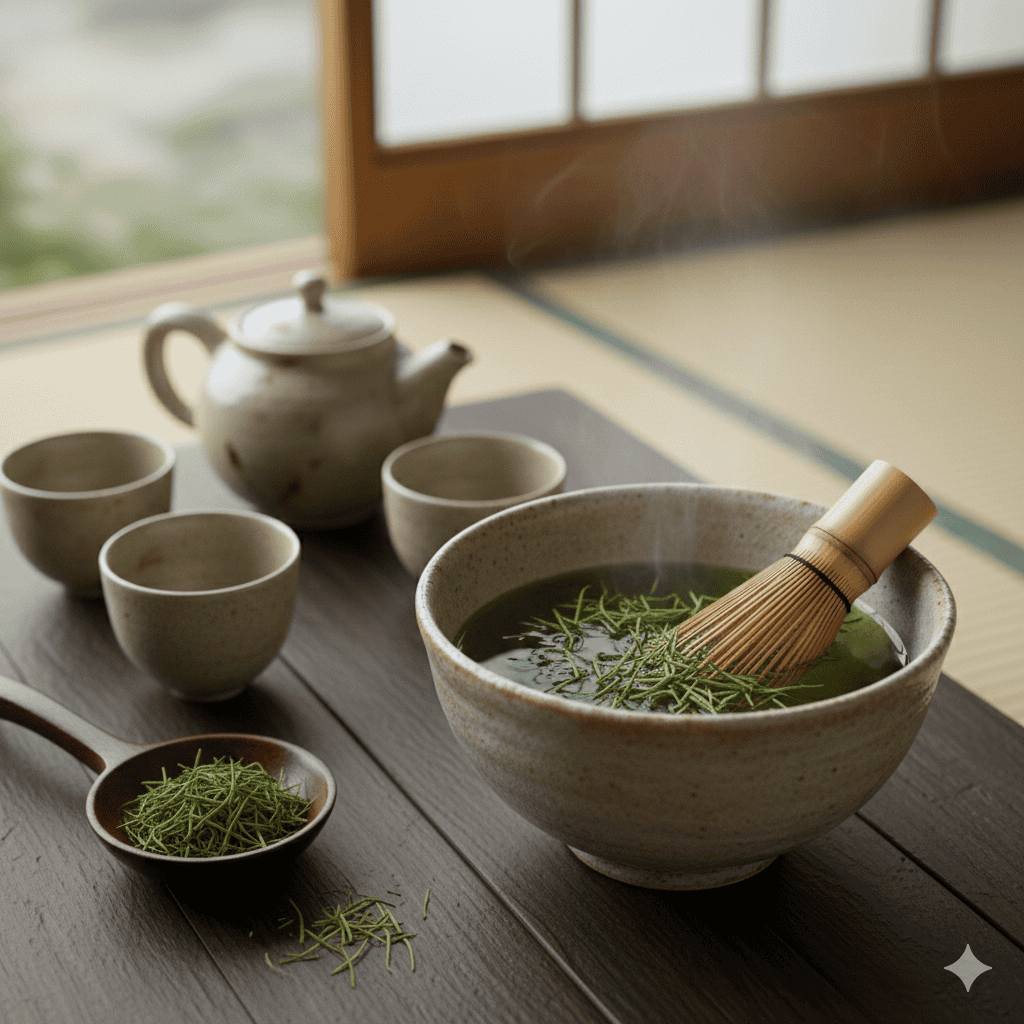
Matcha
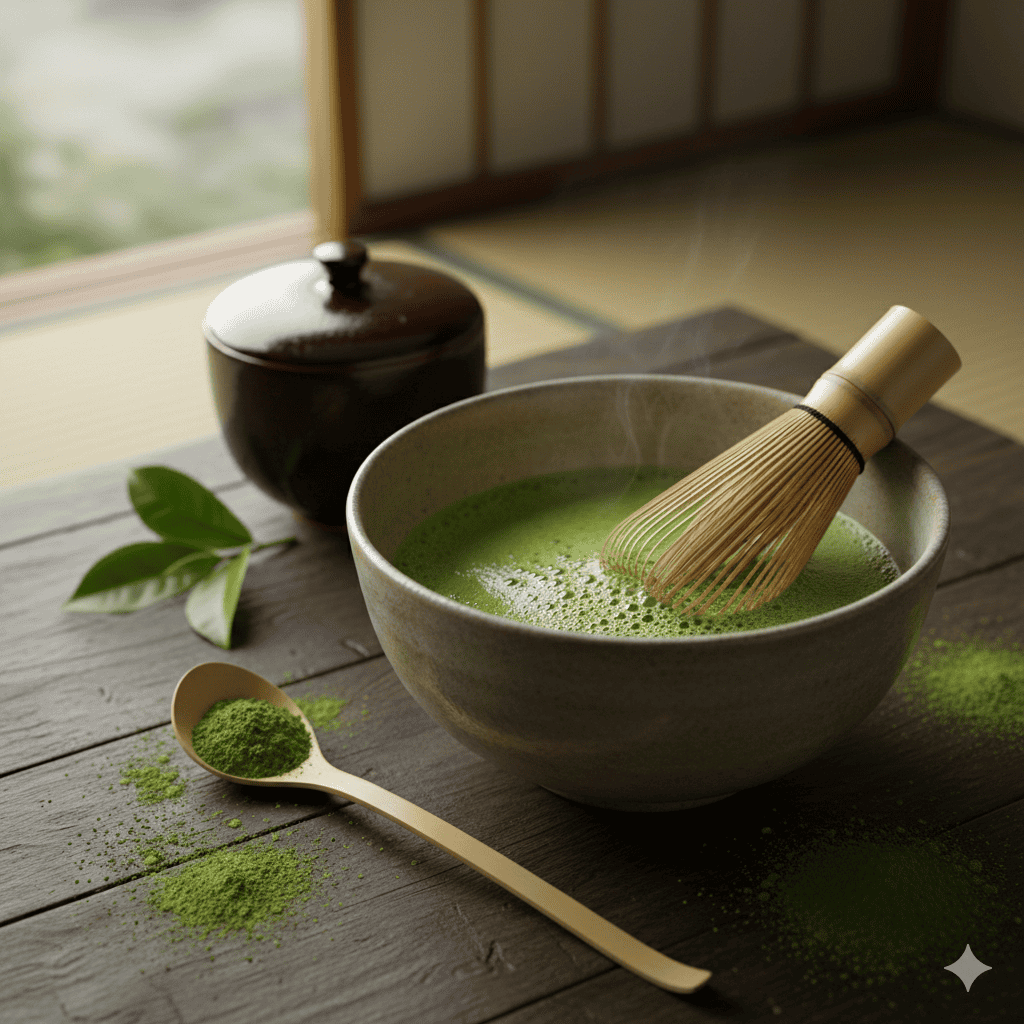
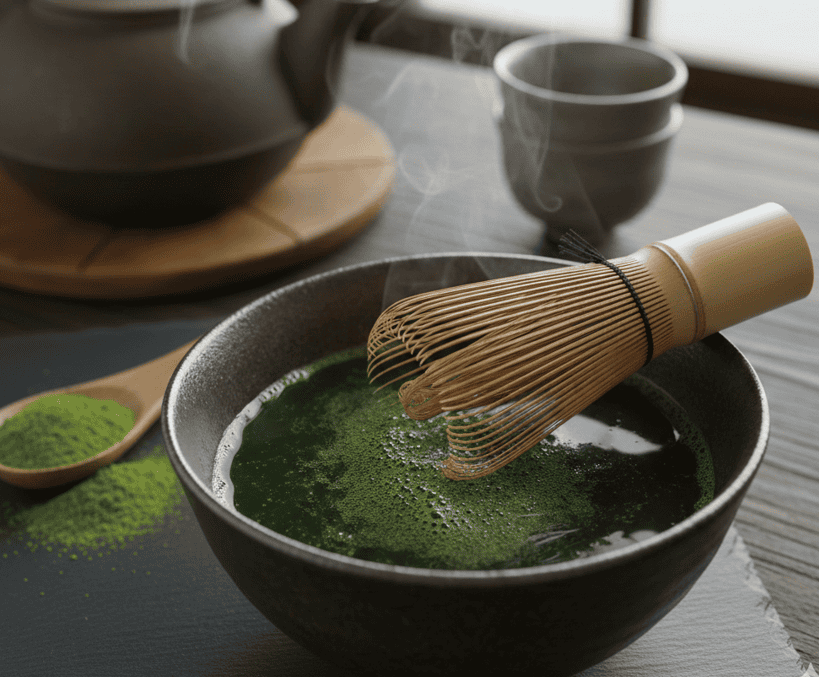
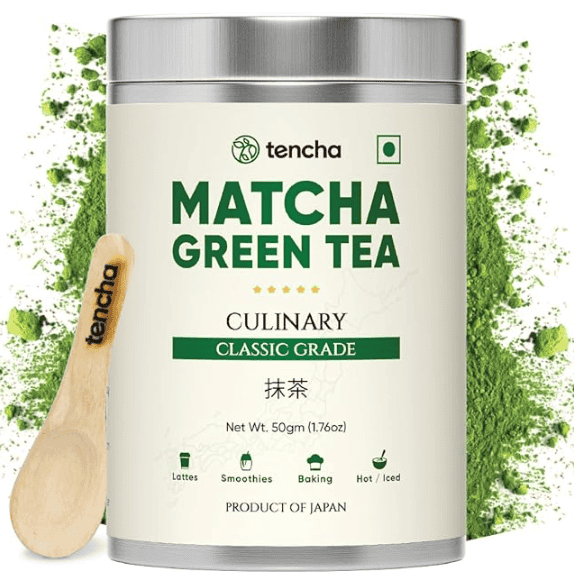
Matcha is a powdered green tea made from shade-grown tea leaves. People whisk it with hot water instead of steeping it. Matcha has a rich, creamy taste and plays an important role in Japanese tea ceremonies.
Health benefits:
Very high in antioxidants
Increases focus and energy
Detoxifies the body
Supports weight loss
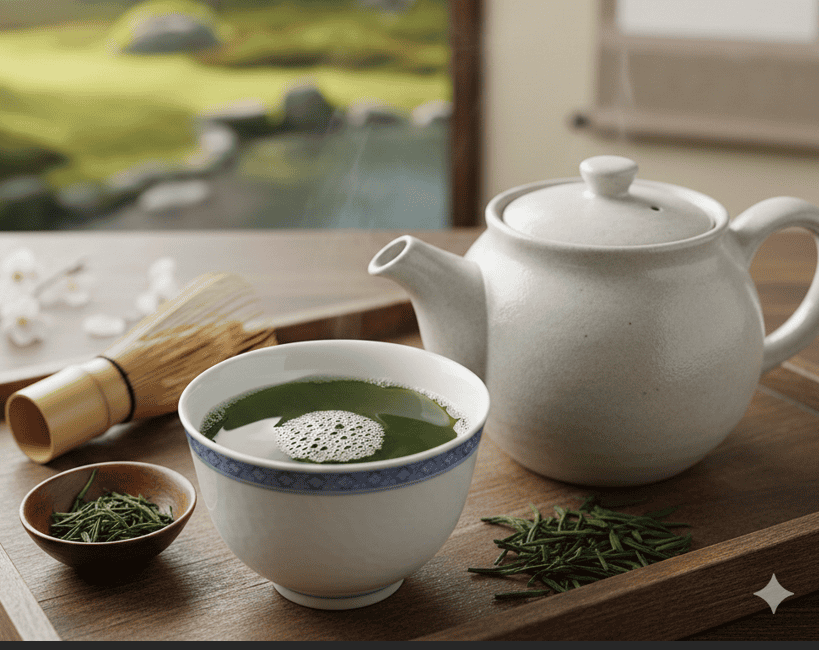
Sencha
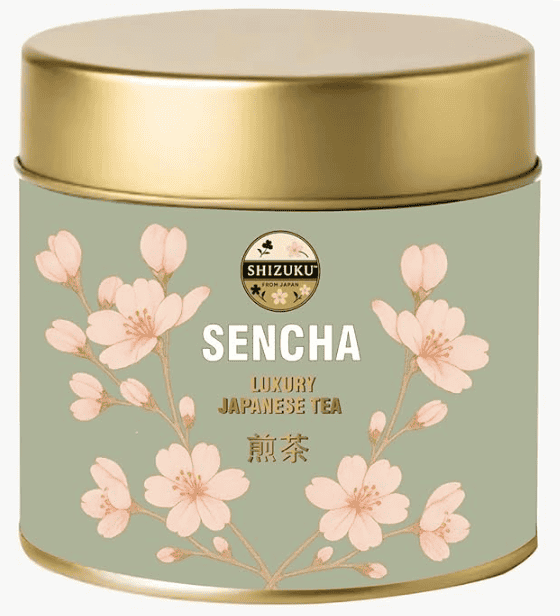
Sencha is the most widely consumed tea in Japan. It has a refreshing flavor with a balance of sweetness and bitterness. People usually drink sencha daily at home, in offices, and in restaurants.
Health benefits:
Strengthens the immune system
Helps reduce cholesterol
Improves skin health
Aids weight management
Sakuracha (Cherry Blossom Tea)
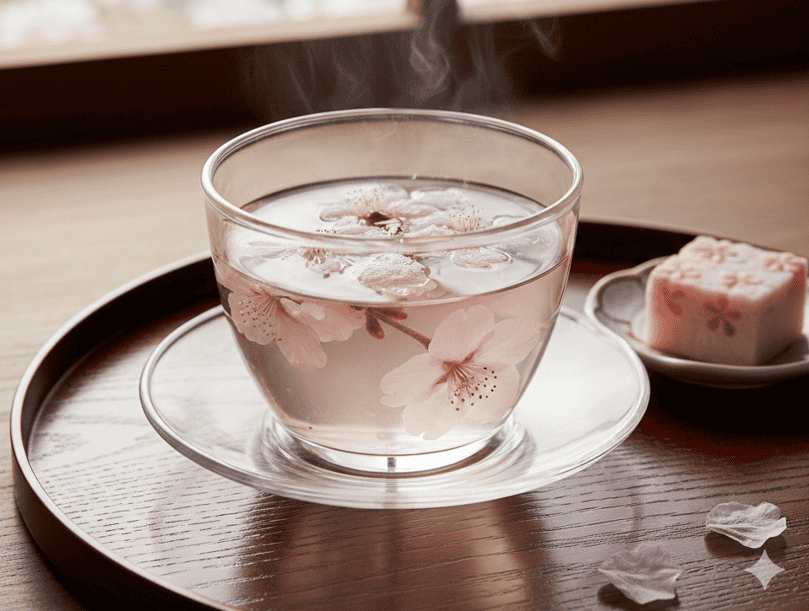
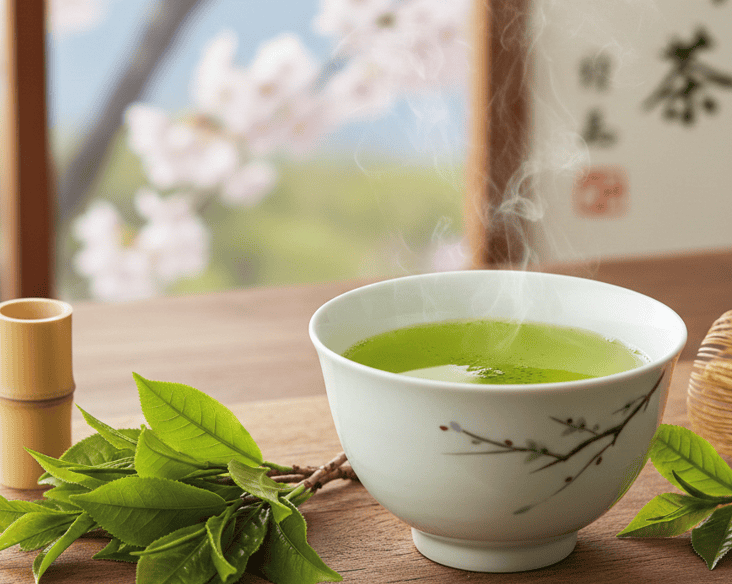
Sakuracha is a Japanese tea made by infusing salted or pickled cherry blossoms (sakura) in hot water. It is traditionally served during celebrations, especially in spring for cherry blossom (hanami) viewing.
Health Benefits:
Rich in antioxidants from cherry petals
Aids digestion
Promotes relaxation and stress relief
Good for skin due to natural polyphenols
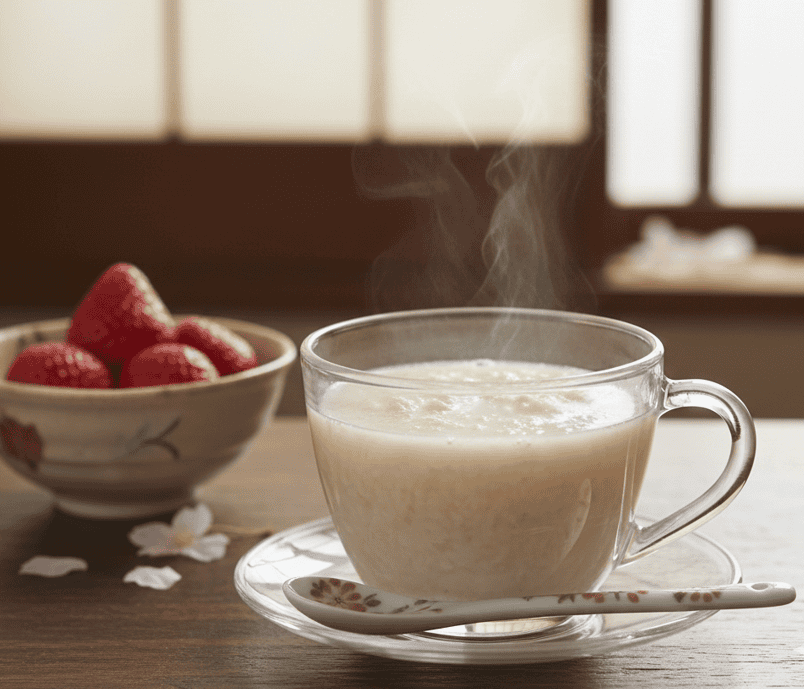
Amazake Tea
Amazake tea, often called “sweet sake,” is typically non-alcohol in traditional versions. This comforting drink is prepared by mixing fermented rice porridge (koji rice) with hot water, creating a naturally sweet and nourishing beverage. It is a warm, naturally sweet drink enjoyed in winter or at Shinto shrines.
Health Benefits:
Rich in enzymes and probiotics from fermentation
Provides natural energy due to simple sugars
Strengthens immunity
Low-calorie, nutritious drink
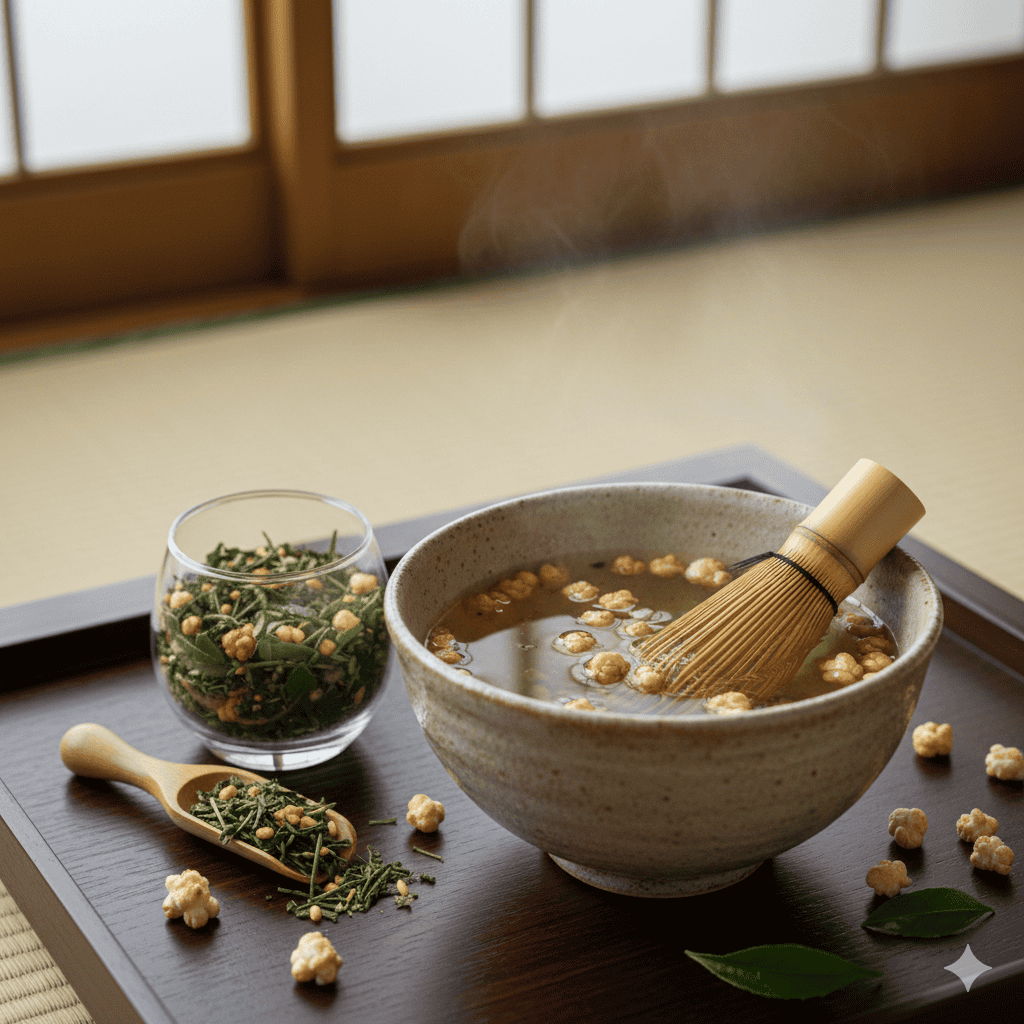
Genmaicha
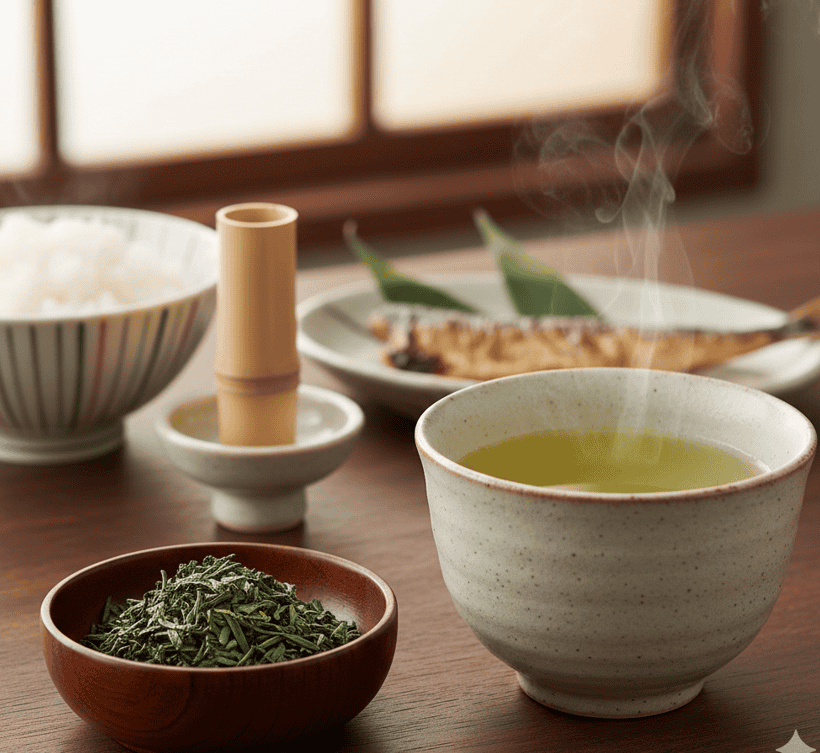
Genmaicha combines green tea with roasted brown rice. The rice adds a warm, nutty flavor and aroma. This tea is popular for its comforting taste and lower caffeine content.
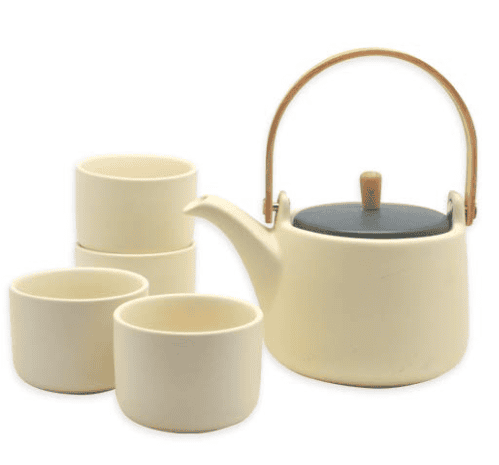
A cup of genmaicha—traditional Japanese roasted rice green tea.
Health benefits:
Gentle on the stomach
Improves digestion
Low caffeine
Helps control blood sugar
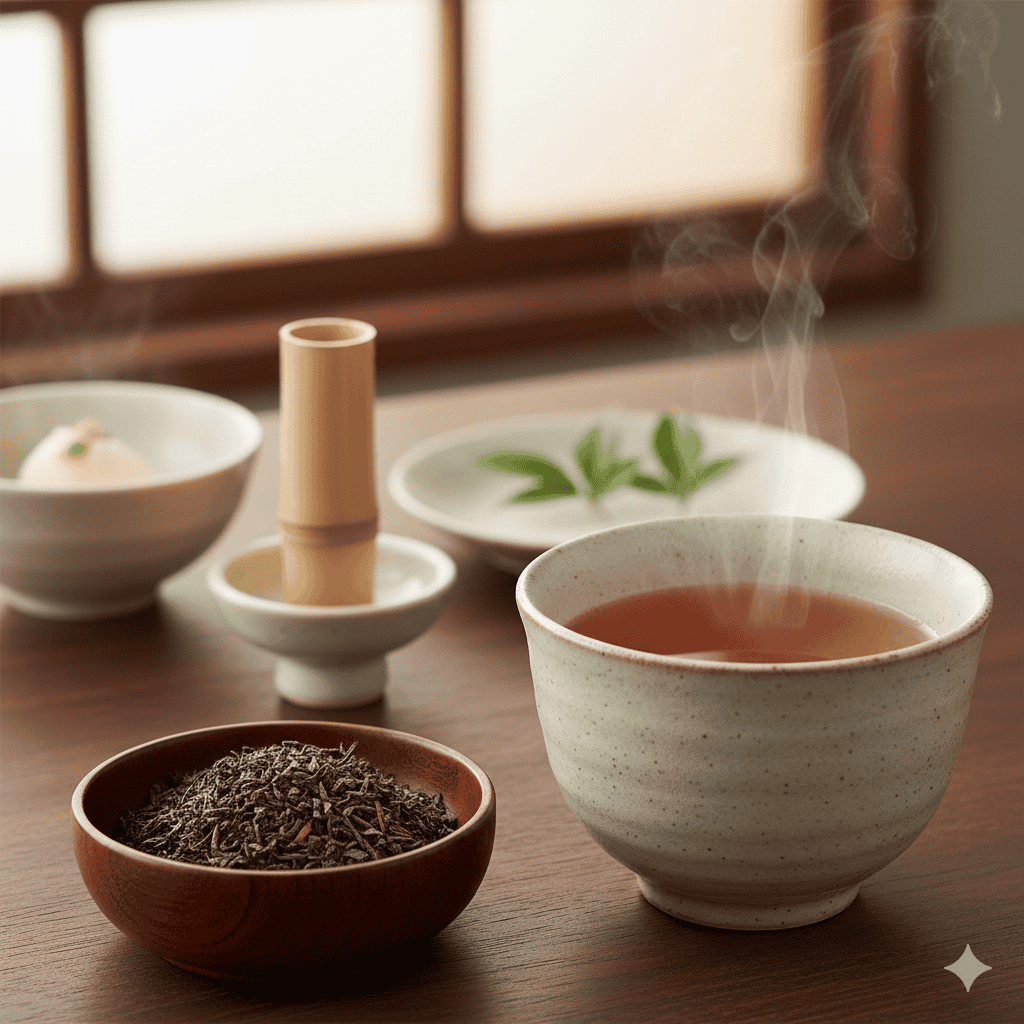
Hojicha
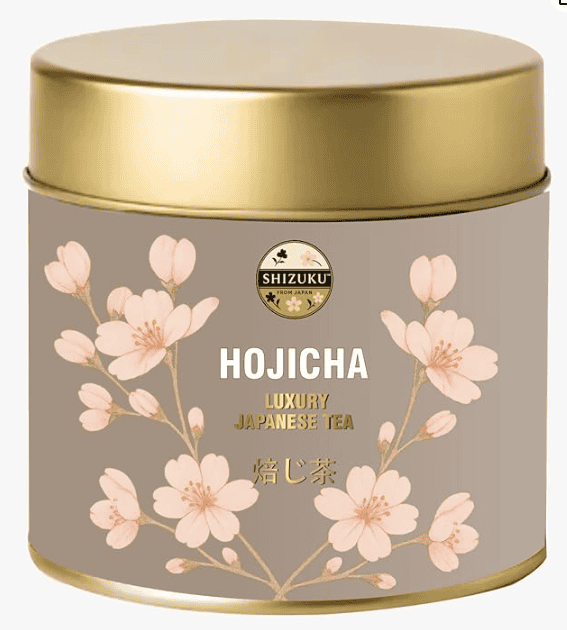
Hojicha is a roasted green tea with a reddish-brown color. Roasting gives it a smoky, toasty flavor and reduces caffeine, making it suitable for children and evening drinking.
Health benefits:
Very low caffeine
Reduces stress
Aids digestion
Good for evening relaxation
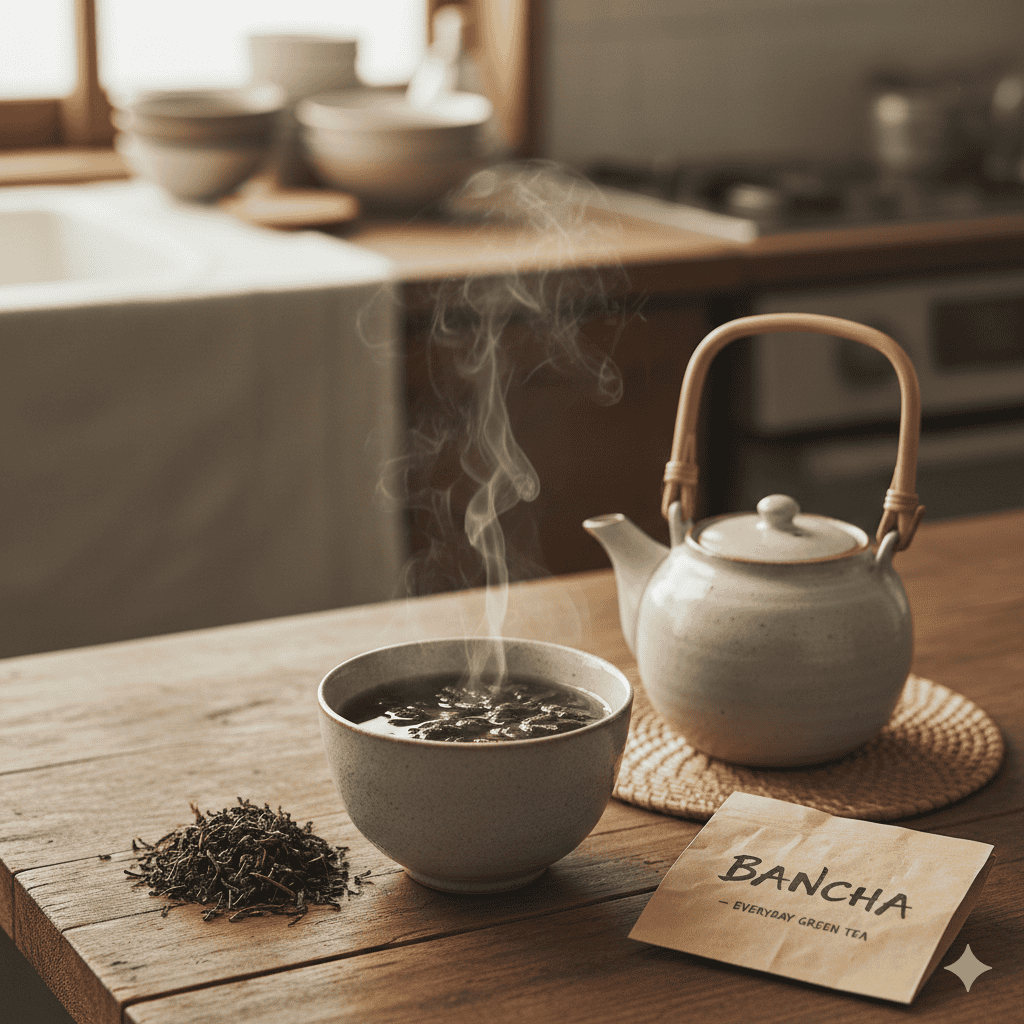
Bancha
Bancha comes from mature tea leaves harvested later in the season. It has a stronger, more earthy flavor than sencha and contains less caffeine, making it ideal for everyday use.
Health benefits:
Supports gut health
Low caffeine
Helps detox the body
Suitable for daily drinking
Gyokuro
Gyokuro is a high-quality, premium green tea. Farmers grow it in the shade before harvesting, which creates a deep umami flavor and natural sweetness. People usually drink gyokuro on special occasions.
Health benefits:
High in L-theanine
Improves brain function
Promotes relaxation and focus
Strong antioxidant properties
Kukicha
Kukicha is made from tea stems and twigs rather than leaves. It has a mild, slightly sweet taste and low caffeine content, making it gentle and relaxing.
Health benefits:
Rich in minerals (calcium, magnesium)
Alkalizes the body
Supports bone health
Low caffeine
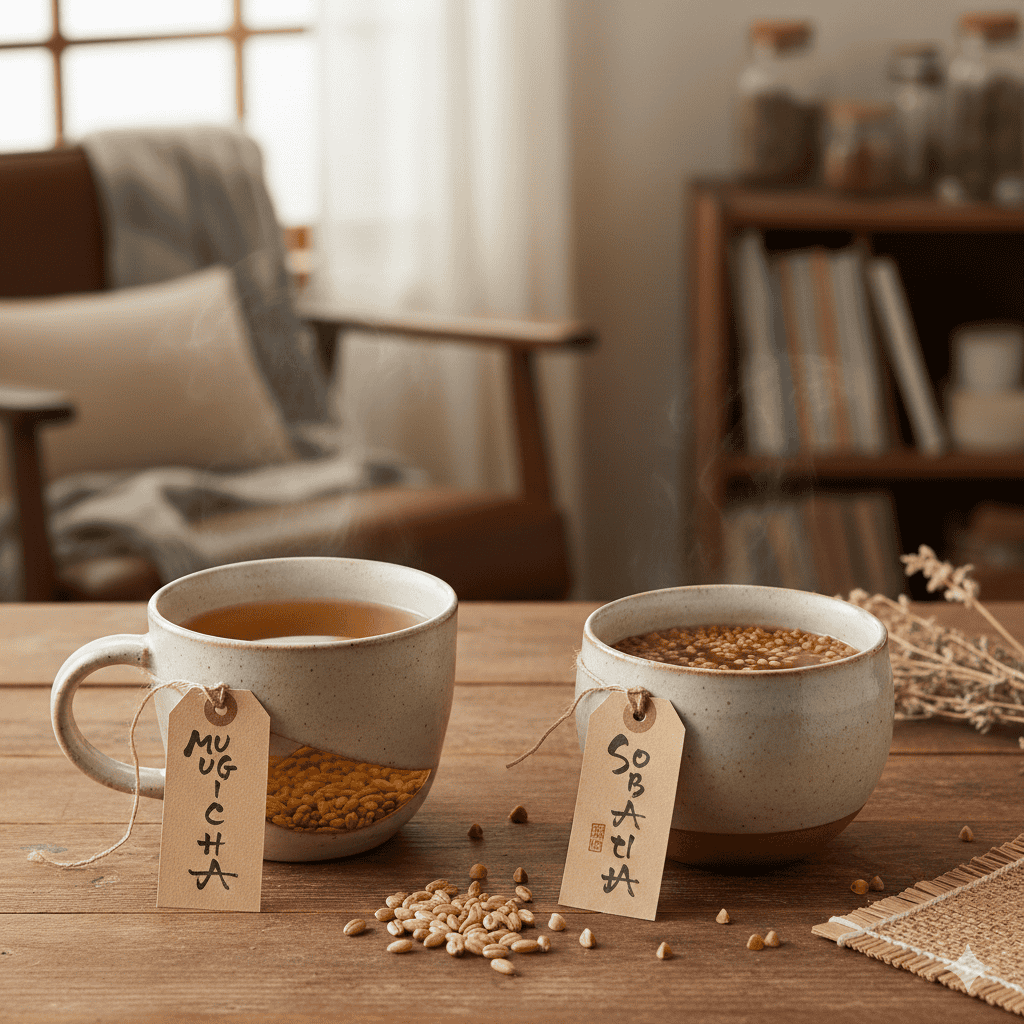
Sobacha (Buckwheat Tea)
Sobacha is made from roasted buckwheat kernels. It has a nutty flavor and contains no caffeine. People enjoy it for its digestive benefits.
Health benefits:
Improves Digestion
Good for Heart Health
Caffeine-Free & Calming
Supports Blood Sugar Control
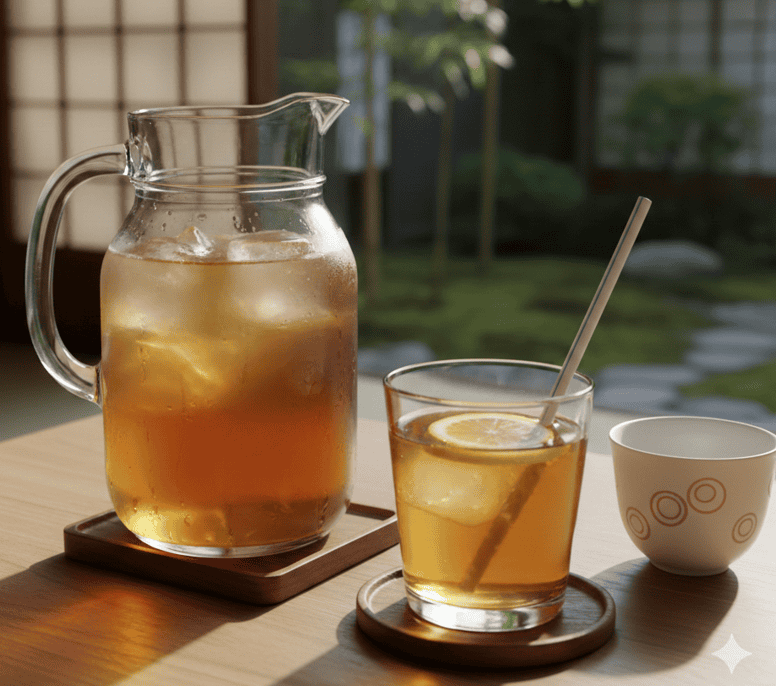
Mugicha (Barley Tea)
Mugicha is not a green tea but a roasted barley tea. It is caffeine-free and often served cold in summer. Japanese families commonly drink it as a refreshing everyday beverage.
Health benefits:
Improves blood circulation
Prevents dehydration
Good for digestion
Safe for children and pregnant women
Kabusecha
Kabusecha is a shaded green tea with a smooth, sweet flavor. Farmers cover the tea plants before harvest to reduce sunlight, which enhances umami and reduces bitterness.
Health benefits:
High in antioxidants
Improves mental focus
Reduces stress
Supports heart health
Tamaryokucha
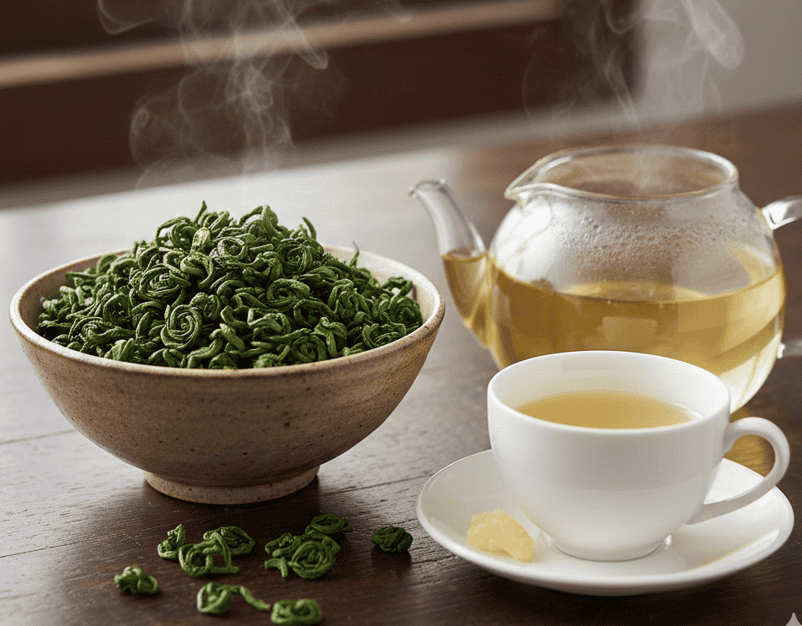
Tamaryokucha is a curled-leaf green tea with a fresh, grassy taste. It is known for its mild sweetness and slightly tangy aroma.
Health benefits:
Boosts immunity
Helps detox the body
Supports digestion
Improves metabolism
Shincha
Shincha is the first harvest of green tea of the year. It has a fresh, vibrant flavor and higher nutrients, making it highly prized in spring.
Health benefits:
High in vitamins A, C, and E
Strengthens immunity
Enhances energy naturally
Improves skin health
Konacha
Konacha is a powdered green tea made from small tea leaf fragments. It brews quickly and has a strong, bold taste.
Health benefits:
High antioxidant content
Aids digestion after meals
Freshens breath
Supports gut health
Kocha
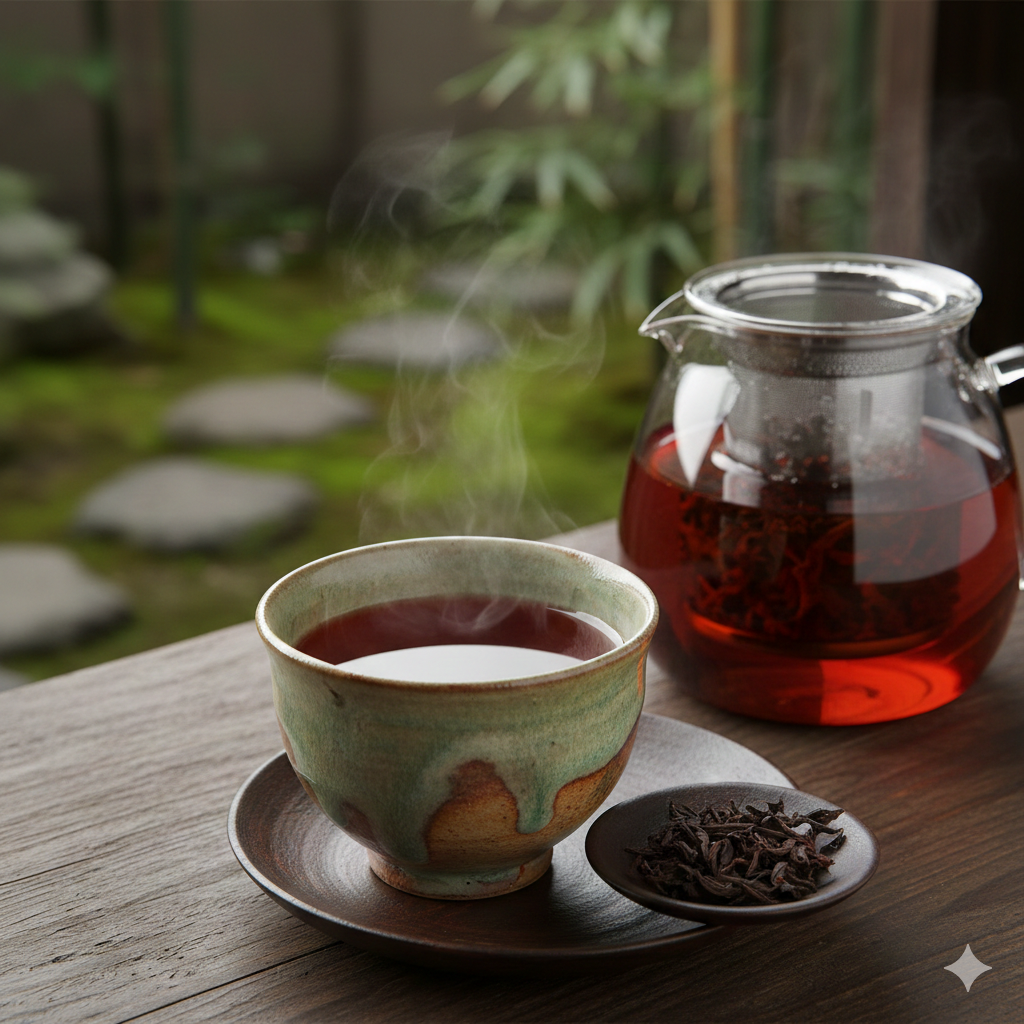
Kocha is a Japanese black tea with fully oxidized leaves, a reddish-brown color, and a smooth, mildly sweet taste. It is lighter and less bitter than Western black teas and is often enjoyed plain or with desserts.
I create engaging content, optimize blogs for search engines, and explore cultures through writing. Passionate about AI, travel, and digital storytelling.