Korean Food Culture: Tradition, Health, and Togetherness
Korean food culture stands out for its rich flavors, healthy ingredients, and strong cultural values. It is not only about eating delicious food but also about sharing meals and building relationships. Over time, Korean cuisine has gained worldwide attention through K-dramas, K-pop, and global food trends. As a result, people from different cultures now enjoy and explore Korean food.
Rice and Side Dishes in Everyday Meals
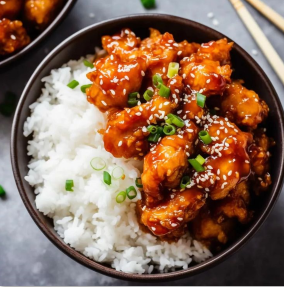
First of all, rice plays a central role in Korean meals. Almost every meal starts with a bowl of steamed rice. Along with rice, Koreans serve several small side dishes known as banchan. Everyone at the table shares these dishes, which creates a sense of togetherness.https://news.rydevalues.cloud/a-complete-guide-to-korean-food-culture-from-traditional-dishes-to-street-food/
In addition, banchan includes vegetables, tofu, eggs, fish, or meat. Among all side dishes, kimchi appears most often. Koreans eat kimchi daily, and it represents the heart of Korean cuisine. Because of the variety of side dishes, meals remain colorful, balanced, and nutritious.
Fermented Foods and Their Health Benefits
Another important part of Korean food culture is fermented food. Koreans prepare foods like kimchi, soybean paste (doenjang), chili paste (gochujang), and soy sauce through traditional fermentation methods.
Moreover, fermented foods support digestion and improve gut health. They also add deep and strong flavors to meals. For this reason, many people consider Korean food both tasty and healthy. These fermentation practices continue to play a major role in daily Korean cooking.
Popular Korean Dishes Around the World
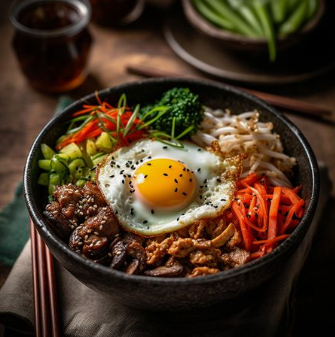
Korean cuisine offers many dishes that people love globally. For example, bibimbap combines rice, vegetables, meat, egg, and spicy sauce in one bowl. It provides both nutrition and flavor in a simple way.
Similarly, bulgogi, which features marinated beef, delivers a sweet and savory taste. Street food also attracts many fans. Tteokbokki, spicy rice cakes, serves as a popular snack, especially among young people. In contrast, samgyeopsal, grilled pork belly, brings people together during group meals. These dishes clearly show the diversity of Korean food.
Sharing Meals and Eating Together
In Korean culture, people value shared meals. Families and friends usually sit together at the same table. Instead of individual plates, shared dishes fill the center of the table.
Furthermore, sharing food shows care, respect, and closeness. People often serve elders first as a sign of respect. Because of this tradition, meals become meaningful social moments rather than simple eating times.
Seasonal Ingredients and Balanced Nutrition
Korean cooking strongly focuses on seasonal ingredients. Cooks choose vegetables, seafood, and grains based on the time of year. This practice keeps food fresh and healthy.
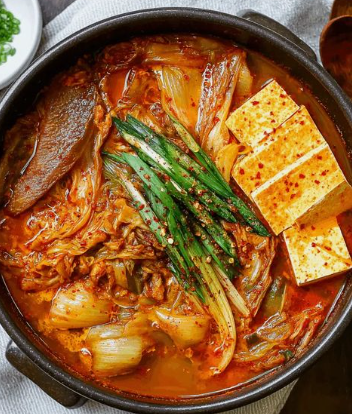
At the same time, Korean meals aim for balance. A typical meal includes rice, soup, vegetables, protein, and fermented food. This balance supports good health and reflects harmony between taste and nutrition.
Conclusion
In conclusion, Korean food culture blends tradition, health, and togetherness beautifully. Through shared meals, fermented foods, and balanced dishes, Korean cuisine expresses strong cultural values. More than just food, it offers a meaningful experience that continues to connect people across the world.
Frequently Asked Questions (FAQ)
1. What is Korean cuisine known for?
Korean cuisine is known for its bold flavors, fermented foods, and balanced meals. Dishes often include rice, soup, vegetables, and side dishes called banchan. Popular examples include kimchi, bibimbap, and Korean BBQ.
2. Why is kimchi important in Korean food culture?
Kimchi is a traditional fermented vegetable dish and a staple in almost every Korean meal. It represents Korean history, preservation techniques, and health benefits due to its probiotics and nutrients.