
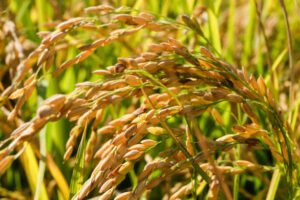
Healthy Crop Growth produces nutritious and high-quality rice.
Organic paddy seeds are rice seeds grown and preserved usingnatural farming methods without chemical fertilizers, pesticides, or genetically modified organisms (GMOs). These seeds are selected from healthy crops and cultivated in eco-friendly conditions.
Poongar Paddy Seeds
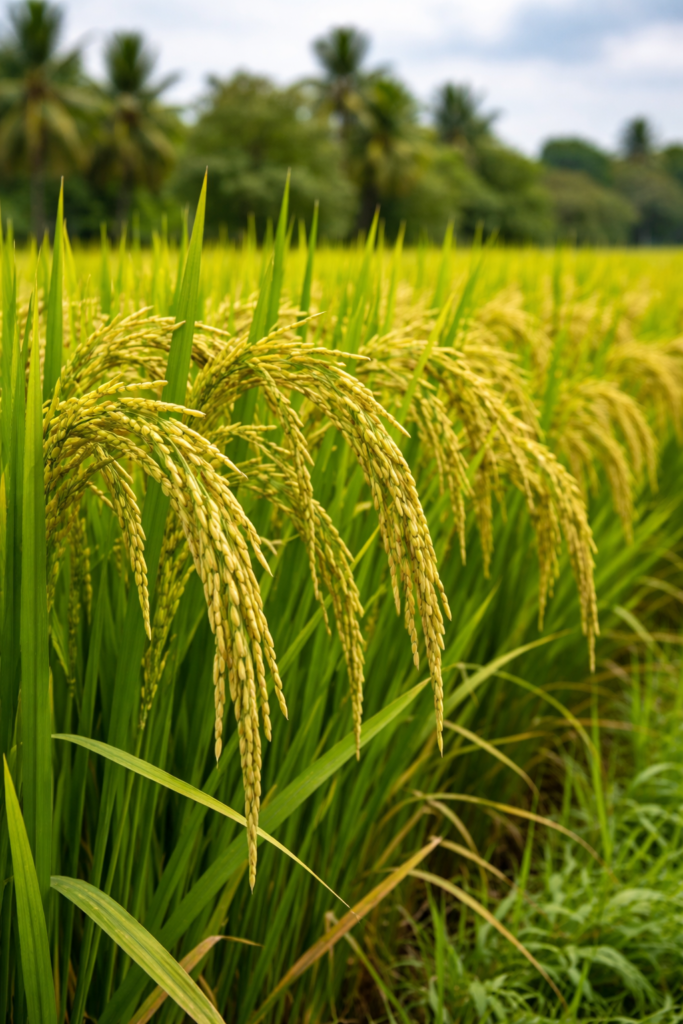
Poongar Paddy: A Traditional Nutrient-Rich Rice of Tamil Nadu
Poongar paddy is a traditional red rice variety native to Tamil Nadu and widely valued for its rich nutritional and medicinal properties. This indigenous rice is naturally high in iron, dietary fiber, antioxidants, and essential minerals that help improve hemoglobin levels, support healthy digestion, and strengthen the immune system.
Poongar rice is particularly beneficial for women’s health. In traditional diets, it is believed to help strengthen the body, support hormonal balance, and assist in recovery after pregnancy. Its natural nutrients contribute to improved energy levels and overall wellness.
As an organically grown and minimally processed rice variety, Poongar rice retains more of its natural nutrients compared to polished white rice. It helps regulate blood sugar levels, provides sustained energy throughout the day, and promotes better metabolic health.
In addition to its health benefits, cultivating Poongar paddy supports sustainable agriculture. This traditional variety is well adapted to local conditions, requires fewer chemical inputs, and contributes to eco-friendly farming practices. By promoting native rice varieties like Poongar, farmers and consumers can help preserve agricultural biodiversity while enjoying wholesome and nutritious food.
Red Sali Paddy Seeds

Red Salli paddy seeds are naturally hardy and well-adapted to local climatic conditions, making them suitable for organic and low-input farming. The plants grown from these seeds show good resistance to pests and diseases and perform well in poor or dry soil conditions. Red Salli rice produced from these seeds is rich in fiber, iron, antioxidants, and essential minerals, which help improve digestion, increase hemoglobin levels, and support overall immunity. Being a traditional variety, it helps maintain soil fertility, supports biodiversity, and provides sustainable, nutritious food for long-term health.
Kalanamak Paddy Seeds
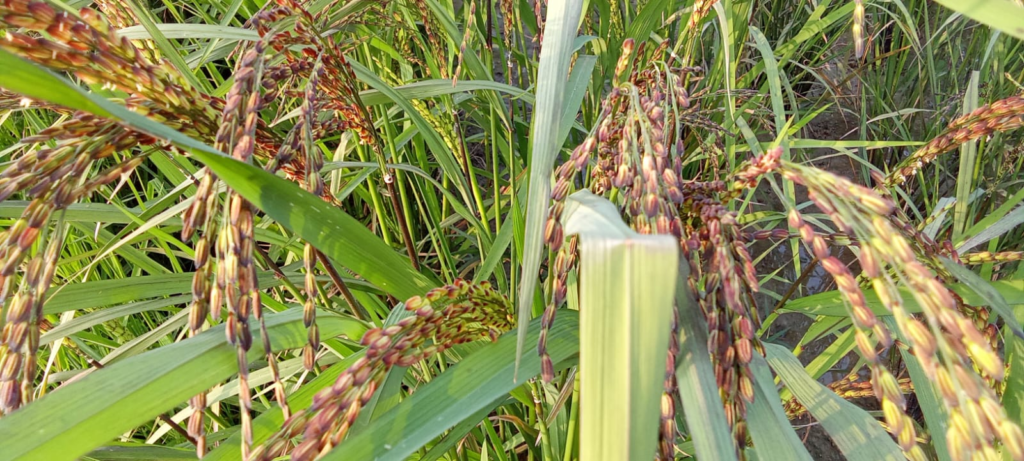
Kalanamak is an ancient aromatic rice, historically cultivated in parts of northern India and Nepal, known for its distinctive fragrance, nutritional value, and deep color. It has even received Geographical Indication (GI) recognition in India. Kalanamak paddy seeds and rice belong to a traditional aromatic rice variety known for its rich heritage and nutritional value.
Kalanamak paddy seeds produce plants with dark-colored husks and strong natural growth. This makes them ideal for organic and low-input farming. The rice is highly aromatic and soft in texture. It is also rich in iron, zinc, fiber, and antioxidants. Kalanamak rice supports healthy digestion and helps improve hemoglobin levels. It provides steady and sustained energy. Traditional cultivation methods promote soil health and biodiversity. This variety also supports sustainable agriculture while offering a nutritious and flavorful food choice.
Karupu Kavuni
- Rich in antioxidants (anthocyanins) that help fight free radicals
- High in iron, fiber, and essential minerals
- Helps improve hemoglobin levels and energy
- Supports digestion and gut health
- Helps regulate blood sugar levels
- Boosts immunity and overall wellness
- Traditionally considered beneficial for long-term health and strength
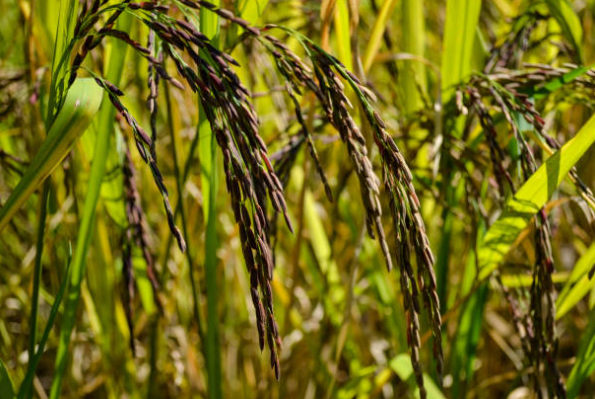
Karupu Kavuni Paddy (Black Rice) – Health Benefits
Karuppu Kavuni Rice is a traditional black rice variety from Tamil Nadu known for its deep purple-black color and powerful nutritional value. It has been valued in traditional diets for centuries because of its rich antioxidants and health benefits.
🌾 Key Benefits of Karuppu Kavuni Paddy
1. Rich in Antioxidants
Karuppu Kavuni rice contains high levels of anthocyanins (the same antioxidants found in blueberries). These compounds help protect the body from oxidative stress and support overall health.
2. Supports Heart Health
The antioxidants and fiber in black rice help reduce bad cholesterol levels and promote better cardiovascular health.
3. Improves Digestion
Karuppu Kavuni rice is high in dietary fiber, which supports healthy digestion and helps prevent constipation.
4. Helps Control Blood Sugar
Because it is less processed and has a lower glycemic index compared to white rice, it helps regulate blood sugar levels and provides steady energy.
5. Boosts Immunity
It contains important vitamins and minerals such as iron, zinc, and vitamin E that strengthen the immune system.
6. Good for Weight Management
The high fiber content keeps you feeling full for longer, which may help reduce overeating.
7. Supports Women’s Health
Traditionally, Karuppu Kavuni rice has been considered beneficial for improving strength, supporting hormonal balance, and enhancing overall vitality.
🌿 Nutritional Highlights
Karuppu Kavuni rice contains:
- Iron
- Fiber
- Protein
- Antioxidants
- Vitamin E
- Essential minerals
🌱 Sustainable Traditional Crop
This indigenous rice variety is often grown using traditional farming methods, making it a valuable crop for preserving biodiversity and supporting sustainable agriculture.
A Complete Guide to Korean Food Culture: From Traditional Dishes to Street Food
Korean Cuisine and Food Culture
