Korean Culture: Traditions and Modern Lifestyle
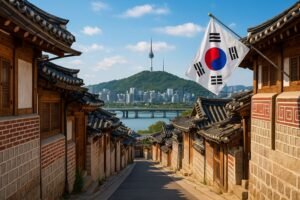
Korean culture mixes old traditions with modern life. South Korea is famous around the world for its values, food, language, and entertainment. When people learn about Korean culture, they understand respect, history, and community life.
Traditional Korean Culture and Values
Respect is very important in Korean culture. People show respect to elders and teachers. They bow when greeting others and use polite words while speaking.
Family is also very important in Korea. Parents teach good values to their children. Family members care for each other and stay close. Spending time together helps families stay strong and keep their traditions.
Korean Language and Hangul Writing System
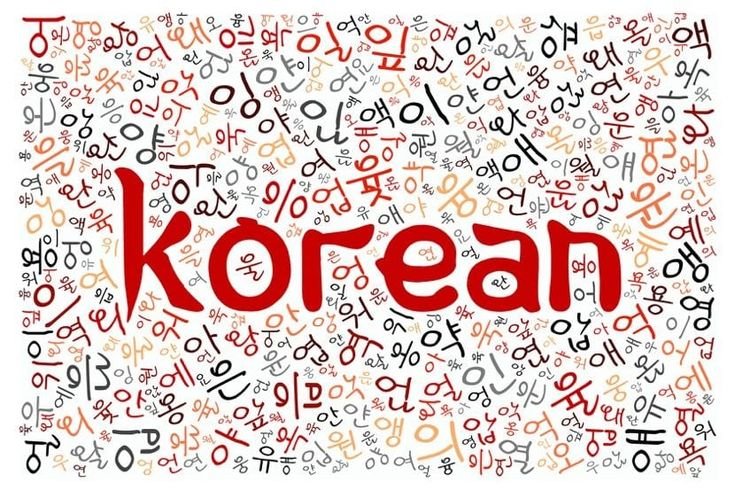
The Korean language uses Hangul. Hangul is simple and easy to learn. King Sejong the Great created it to help common people read and write. Today, Koreans feel proud of their language. They like it when others learn basic Korean words.
Traditional Korean Clothing – Hanbok
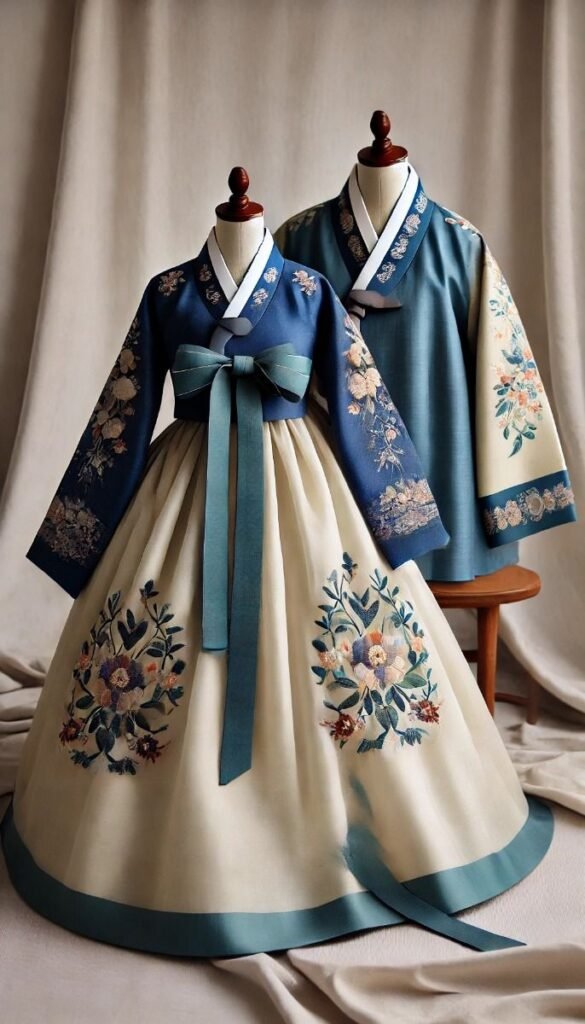
Similarly, hanbok represents the beauty of traditional Korean clothing. People usually wear hanbok during festivals, weddings, and special occasions. However, modern designers now mix hanbok elements with contemporary fashion. As a result, traditional clothing remains meaningful and stylish in modern life.
Korean Food Culture and Cuisine
Korean food culture focuses on balance, health, and rich flavors. Popular dishes include kimchi, bibimbap, bulgogi, and tteokbokki. Typically, a meal includes rice, soup, and several side dishes called banchan.
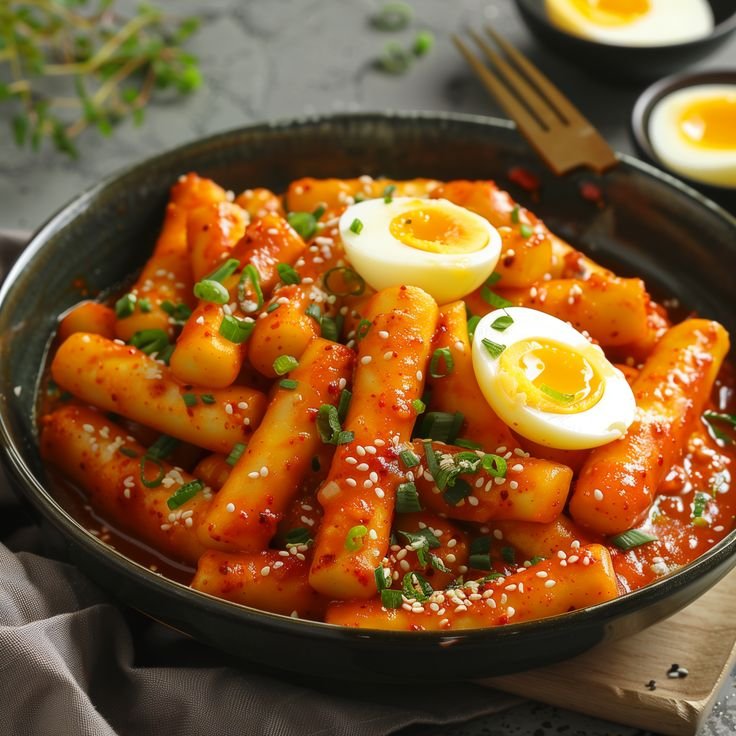
Furthermore, people often share meals, which builds connection and togetherness. Therefore, food plays an important role not only in daily life but also in celebrations and special events.
Korean Festivals and Traditions
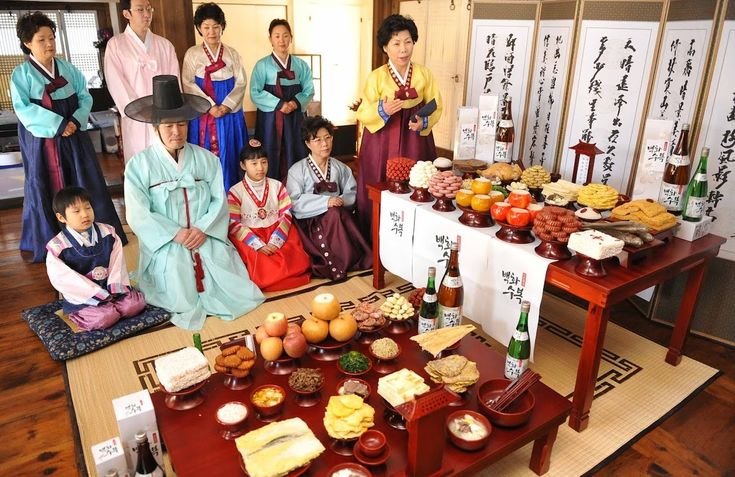
Koreans celebrate traditional festivals such as Seollal (Lunar New Year) and Chuseok (Harvest Festival). During these times, families come together to enjoy traditional food and perform cultural rituals. Most importantly, these festivals teach younger generations to respect ancestors and practice gratitude.
Modern Korean Culture and the Korean Wave
Modern Korean culture influences the world through the Korean Wave (Hallyu). K-pop, K-dramas, films, and fashion attract millions of fans globally. While Korea embraces global trends, it continues to protect its cultural identity.
Frequently Asked Questions (FAQ) – Understanding Korean Culture and Traditions
1. What are the core values that shape Korean culture?
Korean culture is deeply shaped by values of respect, family, community, and harmony. Respect for elders, parents, and teachers is considered one of the most important social values in Korean society.
People express this respect through bowing when greeting others and using polite, honorific language when speaking to those older or in a position of authority. Family bonds are equally central — parents actively instill good values in children, and family members support and care for each other closely, keeping traditions alive across generations.
2. What is Hangul, and why is it significant to Korean identity?
Hangul is the unique writing system of the Korean language, created by King Sejong the Great to help ordinary people read and write with ease. Before Hangul was developed, literacy was largely limited to the privileged class who could learn the far more complex Chinese characters.
Today, Hangul is a great source of national pride for Koreans, celebrated for its logical structure and accessibility. When foreigners take the time to learn even basic Korean words written in Hangul, it is warmly appreciated as a sign of respect for Korean culture and identity.
3. What is Hanbok and on what occasions is it worn?
Hanbok is the traditional clothing of Korea, known for its vibrant colors, elegant silhouette, and graceful flowing lines. It is typically worn during significant occasions such as weddings, festivals, Lunar New Year (Seollal), the harvest festival Chuseok, and other important cultural celebrations.
While Hanbok is not everyday attire in modern Korea, it holds deep cultural meaning and continues to be cherished as a symbol of Korean heritage. Today, modern designers are also creating fusion styles that blend Hanbok elements with contemporary fashion, helping the tradition remain relevant and stylish for younger generations.
4. What are some of the most popular foods in Korean cuisine?
Korean cuisine is celebrated worldwide for its bold flavors, balance of ingredients, and focus on health. Some of the most beloved Korean dishes include kimchi (fermented vegetables, especially cabbage), bibimbap (a mixed rice bowl with vegetables and egg), bulgogi (marinated grilled beef), and tteokbokki (spicy rice cakes).
A traditional Korean meal typically consists of rice, soup, and an assortment of small side dishes known as banchan, which are shared among everyone at the table. This communal style of eating reflects the Korean values of togetherness and connection.
5. What are Seollal and Chuseok, and why are they important in Korean culture?
Seollal and Chuseok are the two most important traditional festivals in Korea. Seollal is the Korean Lunar New Year, a time when families come together to perform ancestral rites, wear Hanbok, play traditional games, and share special foods.
, often called the Korean Harvest Festival, is a mid-autumn celebration of gratitude for the year’s harvest, during which families gather to honor their ancestors, prepare traditional food like songpyeon (rice cakes), and participate in cultural activities. Both festivals serve as vital occasions for strengthening family bonds and passing down cultural values and rituals to younger generations.
6. What is the Korean Wave (Hallyu) and how has it influenced the world?
The Korean Wave, known internationally as Hallyu, refers to the global spread of South Korean popular culture, including K-pop music, K-dramas, Korean films, fashion, beauty trends, and food. Beginning in the late 1990s and accelerating dramatically through the 2010s and 2020s,
Hallyu has attracted tens of millions of fans across Asia, Europe, the Americas, and beyond. Artists like BTS and BLACKPINK, films like Parasite, and drama series have brought Korean culture to a truly global audience. Remarkably, even as Korea embraces global trends, it has been careful to maintain and showcase its unique cultural identity throughout this wave of worldwide influence.
7. How does respect for elders manifest in everyday Korean life?
Respect for elders is one of the most visible and consistently practiced values in Korean daily life. It is expressed in several ways — through bowing as a greeting, using formal and honorific speech forms when addressing older people, serving elders first at meal times, and deferring to their opinions in family discussions.
In social and professional settings, age plays an important role in determining hierarchy and how people interact with one another. This deep respect for seniority is rooted in Confucian values that have shaped Korean society for centuries and continue to influence modern Korean life today.
8. How does Korean culture balance tradition with modern life?
One of the most fascinating aspects of Korean culture is how it has successfully preserved its rich traditions while embracing rapid modernisation. South Korea is a highly technological and globally connected society, yet traditional practices such as ancestral rites, Hanbok wearing at festivals, communal meal sharing, and the celebration of Seollal and Chuseok remain deeply embedded in everyday life.
Modern Korean fashion designers incorporate Hanbok-inspired elements into contemporary clothing, and traditional Korean food continues to thrive alongside global cuisine. This harmonious balance between honoring the past and embracing the future is a defining strength of Korean cultural identity.
Conclusion
Korean culture connects the past and the present. Through language, food, festivals, and entertainment, Korea shares its values with the world. Learning about Korean culture helps people understand Korea better.
A Complete Guide to Korean Food Culture: From Traditional Dishes to Street Food
